Roadshow 2026: Nordic Testbed Network Offers a Showcase of Testbeds

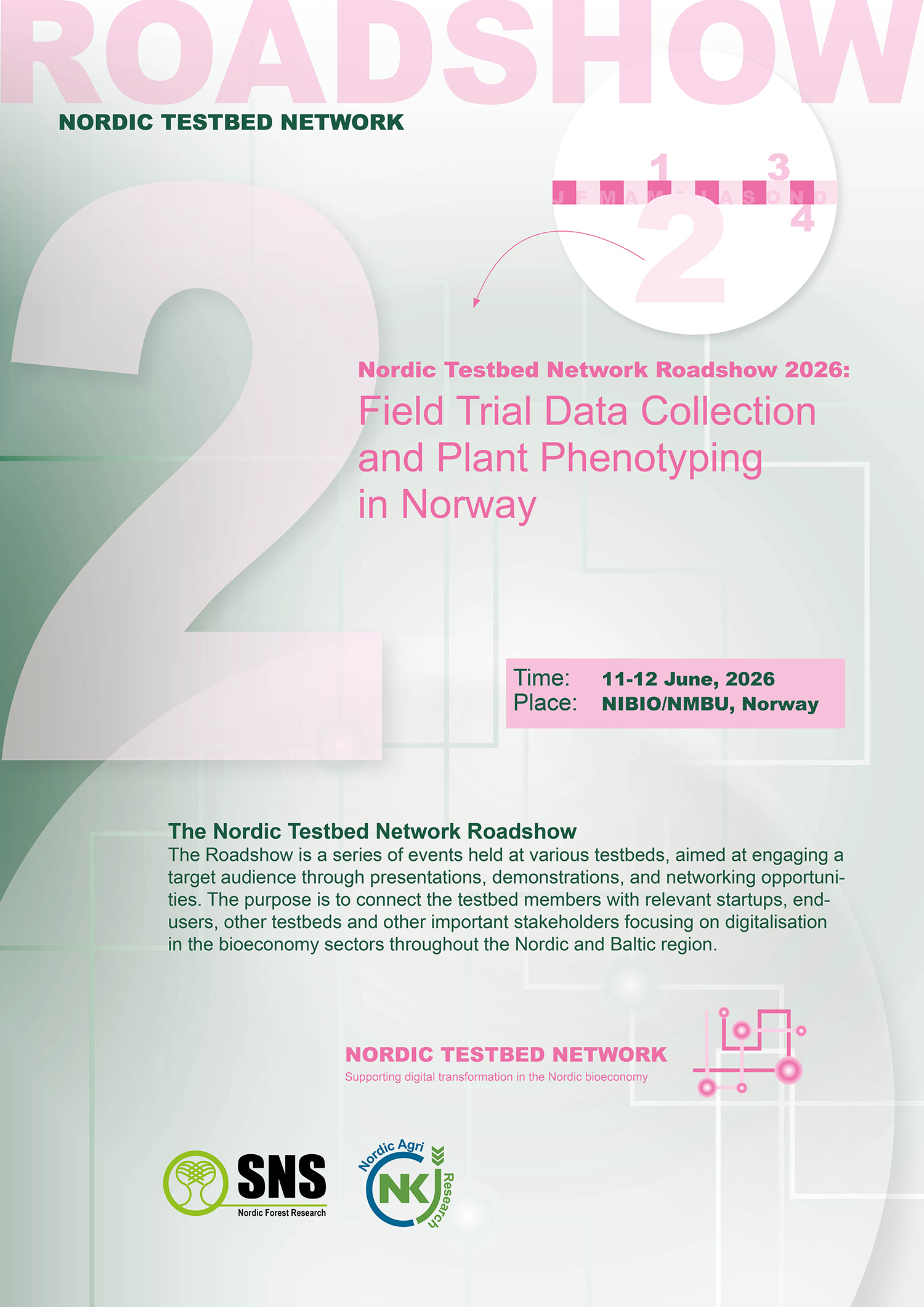
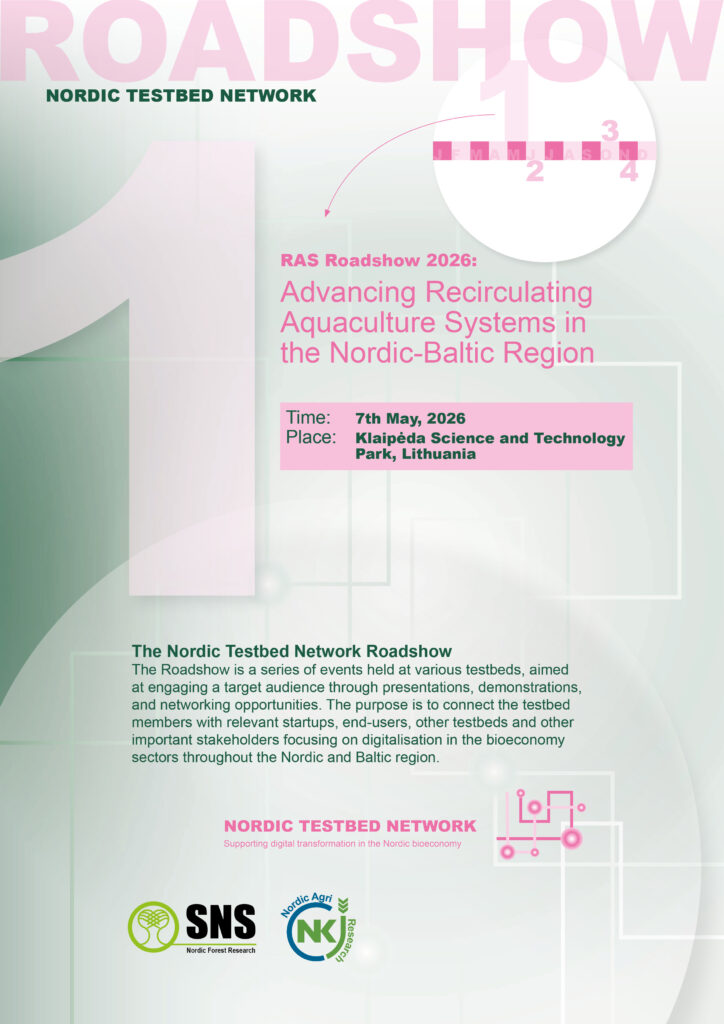
This summer, it is time for the second roadshow by Nordic Testbed Network. First up is Klaipėda Science and Technology Park (KSTP), who invites you to the RAS Roadshow 2026!


The roadshow is designed to engage a target audience through presentations, demonstrations, and to offer networking opportunities. We aim to connect the testbed members with relevant startups, end-users, other testbeds, and other important stakeholders focusing on digitalisation in the bioeconomy sectors throughout the Nordic and Baltic region.

In Klaipeda, the practical implementation, innovation potential, and commercialisation pathways of RAS technologies will be highlighted. The event will showcase the Aquaculture Competence Centre at KSTP, including ongoing experiments focused on advancing recirculating aquaculture technologies and sustainable production models.

Participants will be introduced to an innovative RAS-based spin-off company, AquaQlt, which recently received a patent for its shrimp tower technology. The event will also include a visit to Klaipėda University, Marine Research Institute, Fisheries and Aquaculture Laboratory, strengthening the link between research, pilot infrastructure, and commercialisation.

The event will target:

  • Aquaculture companies and fish farmers
  • Startups developing RAS technologies or related digital solutions
  • Technology providers
  • Researchers and students
  • Public authorities and policy stakeholders
  • Investors and innovation support organisations

Get more information and the see the programme here!


Recirculating Aquaculture Systems (RAS) is an advanced, closed water system used to cultivate fish and shellfish in controlled environments, such as indoors or in tanks. The system is designed to reuse water through continuous filtration and purification, minimising the need for fresh water and reducing environmental impact compared to traditional aquaculture.

Shape the Future of the Nordic Bioeconomy – join us in Malmö or online

Bioeconomy as a Driver for Economic Growth and Green Transition in Rural Areas 

 
The Nordic Region is more than just its capitals – it’s vast areas of land and sea with immense potential for sustainable growth. How can we strengthen the Nordic bioeconomy to boost local value creation, resilience, and preparedness in rural areas?
 
You are most welcome to join the summarising conference of the Bioeconomy Programme: Key takeaways and next steps!
 

Time: April 15, 2026
Place:
Malmö, Sweden & Online
Agenda/Keynotes
Registration

Together, we will build on recent work within the Bioeconomy Programme and provide input for future actions to develop the sector through inspiring keynotes and workshops throughout the day. We will engage in fruitful discussions on the future of the Nordic bioeconomy and provide input for future actions through workshops and keynotes. There is of course also great possibilities to network with senior officials, experts, and practitioners from across the region!

There will be workshops, which will touch upon several topics:
•    Green proteins
•    Plant nutrition supply
•    Bioenergy
•    Nature-based health interventions
•    Tourism
•    Digitalisation
•    Youth and recruitment

The event builds on work done in the Nordic Council of Ministers’ Bioeconomy Programme, which aims to promote sustainable bioresource use, economic growth, and social sustainability in rural areas.

Don’t miss this opportunity to influence policy and drive change!

REGISTRATION
We look forward to welcoming you, in Malmö or online! Here is where you register.

Find the publications made by the Bioeconomy Programme here!

Five Nordic Role Models Highlight the Future of Rural Entrepreneurship

Young rural entrepreneurs across the Nordic countries are showing how innovation, tradition and community engagement can go hand in hand. A new report, Inspiring rural entrepreneurs: Five Nordic role models, presents five personal stories that illustrate how rural businesses can thrive despite demographic, structural and economic challenges. 

The report builds on previous Nordic policy work on farm diversification and youth engagement. It responds to pressing concerns facing rural areas, including urbanisation, an ageing workforce, skills mismatches and difficulties in attracting young people to rural careers.

– Young entrepreneurs in diversified farming navigate a landscape of financial risk, regulatory complexity, and changing identities. Platforms where they can meet, share knowledge and experiences, and grow together are crucial, says Julia Fyr, project coordinator and part of the steering group behind the report.

Entrepreneurship rooted in place

The five role models come from Sweden, Finland, Norway, Denmark and Iceland. While their businesses differ – ranging from farm shops and food processing to dairy production, goat cheese and greenhouse horticulture – they share a strong connection to place, family and local communities.

Several of the entrepreneurs have taken over long-established family farms, combining respect for tradition with new business models. Others have entered agriculture from entirely different professions, bringing fresh skills in areas such as marketing and innovation.

Diversification and resilience

A key message of the report is the importance of diversification. The featured entrepreneurs have strengthened their businesses by developing multiple income streams, such as value-added food production, direct sales through farm shops, welfare services, guided visits and niche products tailored to local demand.

This diversification not only improves profitability but also increases resilience in the face of external risks, including volatile markets, climate impacts and rising energy costs.

Community, visibility and courage

Across all five cases, community orientation stands out as a common strength. Farms are described not only as production sites, but also as social meeting places that create local value and strengthen rural cohesion.

Another shared factor is visibility. The entrepreneurs actively communicate their stories through social media, customer interaction and public engagement, helping to build trust, demand and understanding of modern agriculture.

Finally, the report highlights courage and perseverance as essential qualities. From crowdfunding new ventures to investing in niche production and making early leadership decisions, the role models demonstrate a willingness to take calculated risks and learn by doing.

Inspiration for the next generation

By showcasing real-life examples, the report aims to inspire young people, policymakers and stakeholders to see rural entrepreneurship as a viable and meaningful career path. Rather than offering one-size-fits-all solutions, it emphasises the importance of starting from local conditions, building on existing assets and adapting business models to specific contexts.

Inspiring rural entrepreneurs: Five Nordic role models provides concrete insights into how rural businesses can contribute to sustainable food systems, vibrant communities and a resilient Nordic bioeconomy.


Swedish text

Fem nordiska förebilder belyser framtiden för landsbygdsföretagande

Unga företagare på landsbygden i de nordiska länderna visar hur innovation, tradition och engagemang i lokalsamhället kan gå hand i hand. En ny rapport, Inspirerande landsbygdsföretagare: Fem nordiska förebilder, presenterar fem personliga berättelser som illustrerar hur landsbygdsföretag kan frodas trots demografiska, strukturella och ekonomiska utmaningar.

Rapporten bygger på tidigare nordiskt policyarbete om diversifiering inom jordbruk och ungdomsengagemang. Den svarar på brådskande utmaningar för landsbygden som urbanisering, en åldrande arbetskraftsstyrka, kompetensbrist och svårigheter att locka unga till de gröna yrkena.

Företagande förankrat i platsen
De fem förebilderna kommer från Sverige, Finland, Norge, Danmark och Island. Deras verksamheter skiljer sig åt; från gårdsbutiker och livsmedelsförädling till mjölkproduktion, getost och växthusodling – men de delar en stark koppling till platsen, familjen och lokalsamhället.

Flera av företagarna har tagit över gårdar som varit i släkten i generationer och kombinerar respekt för traditioner med nya affärsmodeller. Andra har kommit in i jordbruket från helt andra yrken och bidrar med nya kunskaper inom områden som marknadsföring och innovation.

Diversifiering och motståndskraft
Ett centralt budskap i rapporten är vikten av diversifiering. De framgångsrika företagarna har stärkt sina verksamheter genom att utveckla flera inkomstkällor, som förädlade livsmedel, direktkontakt med kunden via gårdsbutiker, välfärdstjänster, guidade besök och nischprodukter anpassade efter lokal efterfrågan.

Denna diversifiering förbättrar inte bara lönsamheten utan ökar också motståndskraften mot yttre risker som svängande marknader, klimatpåverkan och stigande energikostnader.

Gemenskap, synlighet och mod
I alla fem fallen framhålls engagemang i lokalsamhället som en gemensam styrka. Gårdarna beskrivs inte bara som produktionsplatser, utan också som sociala mötesplatser som skapar lokalt värde och stärker sammanhållningen på landsbygden.

En annan gemensam faktor är synlighet. Företagarna kommunicerar aktivt sina berättelser genom sociala medier, kundinteraktion och offentligt engagemang, vilket bidrar till att bygga förtroende, efterfrågan och förståelse för det moderna jordbruket.

Slutligen lyfter rapporten fram mod och uthållighet som avgörande egenskaper. Från crowdfunding av nya projekt till investeringar i nischproduktion och tidiga ledarbeslut visar förebilderna en vilja att ta beräknade risker och lära sig genom att göra.

Inspiration för nästa generation
Genom att lyfta fram verkliga personer och företag hoppas rapportförfattarna inspirera unga, beslutsfattare och intressenter att se landsbygdsföretagande som en hållbar och meningsfull karriärväg. I stället för enhetliga lösningar betonas vikten av att utgå från lokala förutsättningar, bygga vidare på befintliga resurser och anpassa affärsmodeller till specifika sammanhang.

Inspirerande landsbygdsföretagare: Fem nordiska förebilder ger konkreta insikter i hur landsbygdsföretag kan bidra till hållbara livsmedelssystem, levande samhällen och en resilient nordisk bioekonomi.


NOTE: This content was developed with the support of AI tools and has been thoroughly reviewed for accuracy.

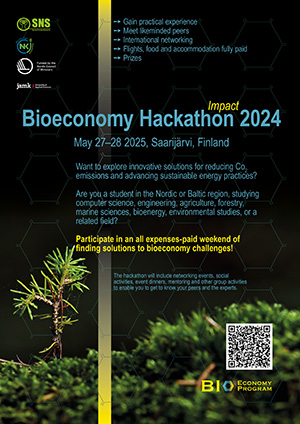
Hackathon provided green solutions for the future

Students from the Nordic and Baltic countries gathered at Agriventure in Finland to take part in a hackathon themed around bioeconomy and digitalization. Sparkling creativity, confidence in the future, and joy were mixed, resulting in a winning idea, and several other fully feasible solutions.


The students had been divided into five teams in advance, each receiving a bioeconomic knot to untie. Over the course of a month, they worked on their ”problem” remotely, before meeting up to further develop and refine their solutions at Agriventure. One key requirement was to integrate digitalization into their ideas.

The topics addressed in the hackathon were:
• Biodiversity: The Key to Resilient Agriculture
• Forest Futures: Adapting to Extreme Weather in the Nordic and Baltic Regions
• Sustainable Aquaculture in the Nordic and Baltic Region

The atmosphere at the hackathon was positive, with a strong focus on finding and refining solutions and arriving at an idea that could be realized. Each team had a mentor who helped to question, identify gaps, and support the development of an implementable solution. The solution had to address a real challenge and have a financially sustainable foundation.

The winning team, Charvest, worked on the problem that fish sludge is dumped into the sea. That harms marine ecosystems and is also a costly burden for aquaculture farms. The team came up with the idea of drying the fish sludge using waste heat from data centers, and then selling it as a fertilizer for agriculture. This would benefit and profit everyone, including the seabed!

The prize for the winner includes a trip to get even closer to a practical application of the idea, for example to a testbed or a company relevant to the topic. Congratulations to the winners and good luck with nurturing the idea!

– We wanted to give young people a chance to test their ideas and creative power, but also to move forward with real solutions to real problems. A hackathon was the best way to combine the two, says Jonas Rönnberg, SNS Secretary General.

All five teams came up with solutions to their problem statements that were grounded in reality and possible to develop further. Utilizing all the coffee grounds produced in cafés and restaurants every day and turning them into something valuable for the bioeconomy and environment instead of seeing them as waste feels like real progress. Creating a new food product to increase the use of mussels, which in turn help purify seawater, is also a creative idea that we would benefit from if it became reality.

NKJ and SNS want to thank all participants for your work, creativity, and the time you’ve invested. We hope you move forward with your ideas so that we can eventually see them put into practical use!

The hackathon was organized by the Bioeconomy Program, run by NKJ and SNS, and financed by the Nordic Council of Ministers.

Student network met in person for the first time

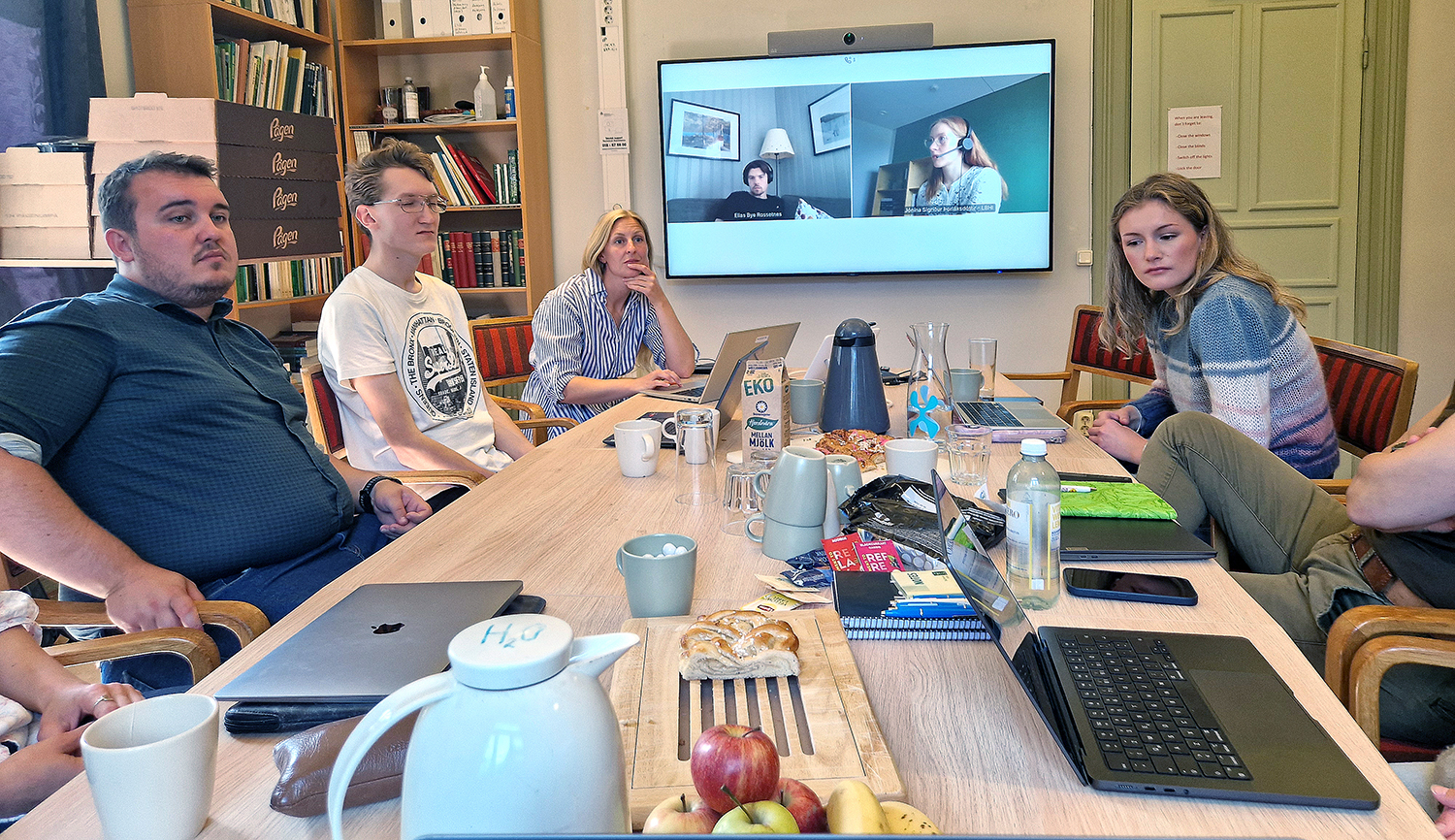
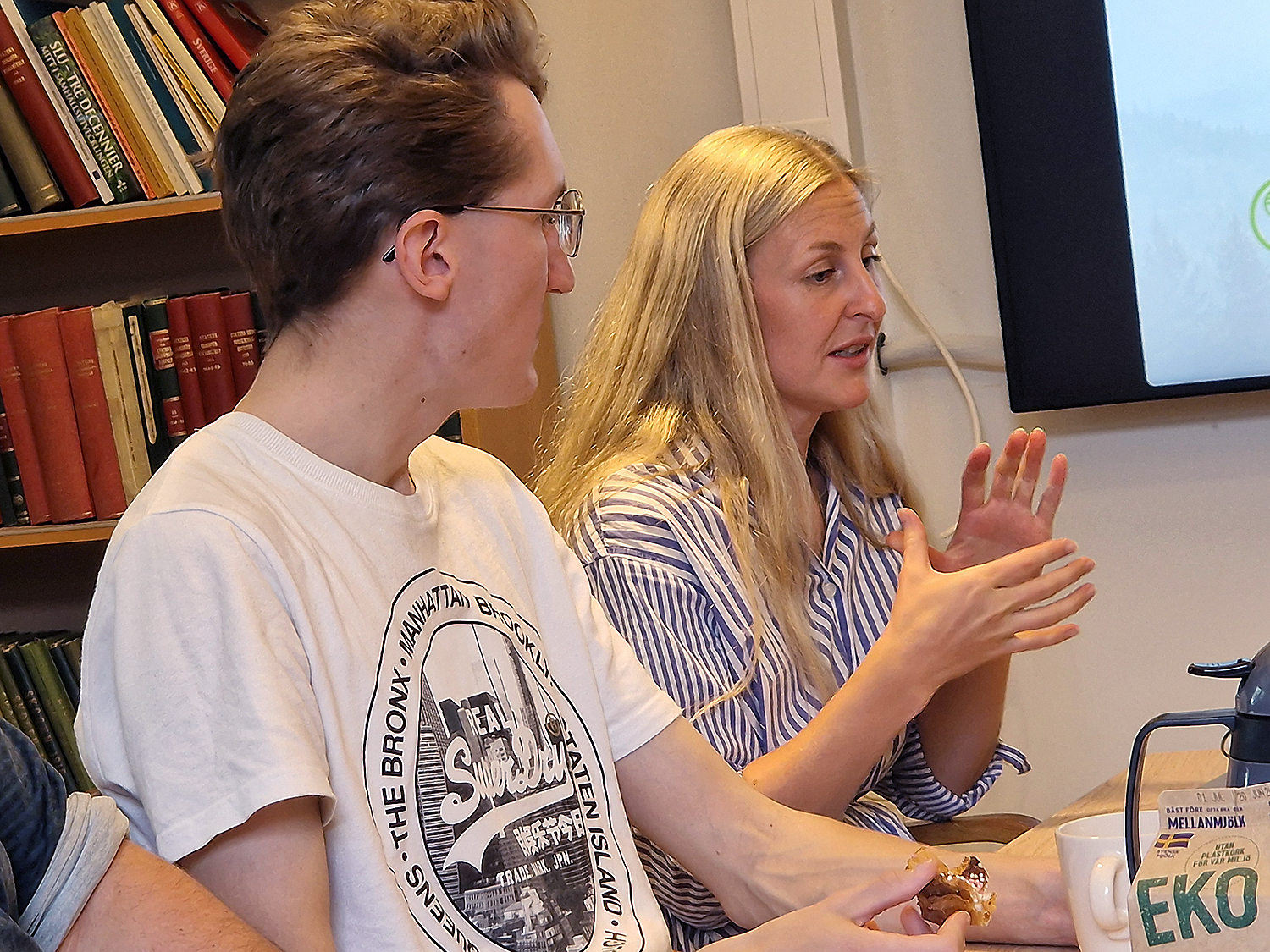
The representatives in the Student Network have met in person for the first time. In Alnarp in southern Sweden, they discussed and elaborated the overview of Nordic educations in agriculture and forestry that is in progress.


SNS and NKJ have created a student network consisting of two representatives from each Nordic country. The aim is to give youth from student unions the opportunity to meet and exchange experiences and ideas. We want to increase contact and foster cooperation between students in agriculture and forestry in the Nordic region.

The students have previously met online and started creating a database that will make it easy to get an overview of which forestry and agriculture educations exist in the different countries. The idea is to include both undergraduate programs, for example for foresters or landscape engineers, as well as summer courses, PhD courses, and other relevant courses.

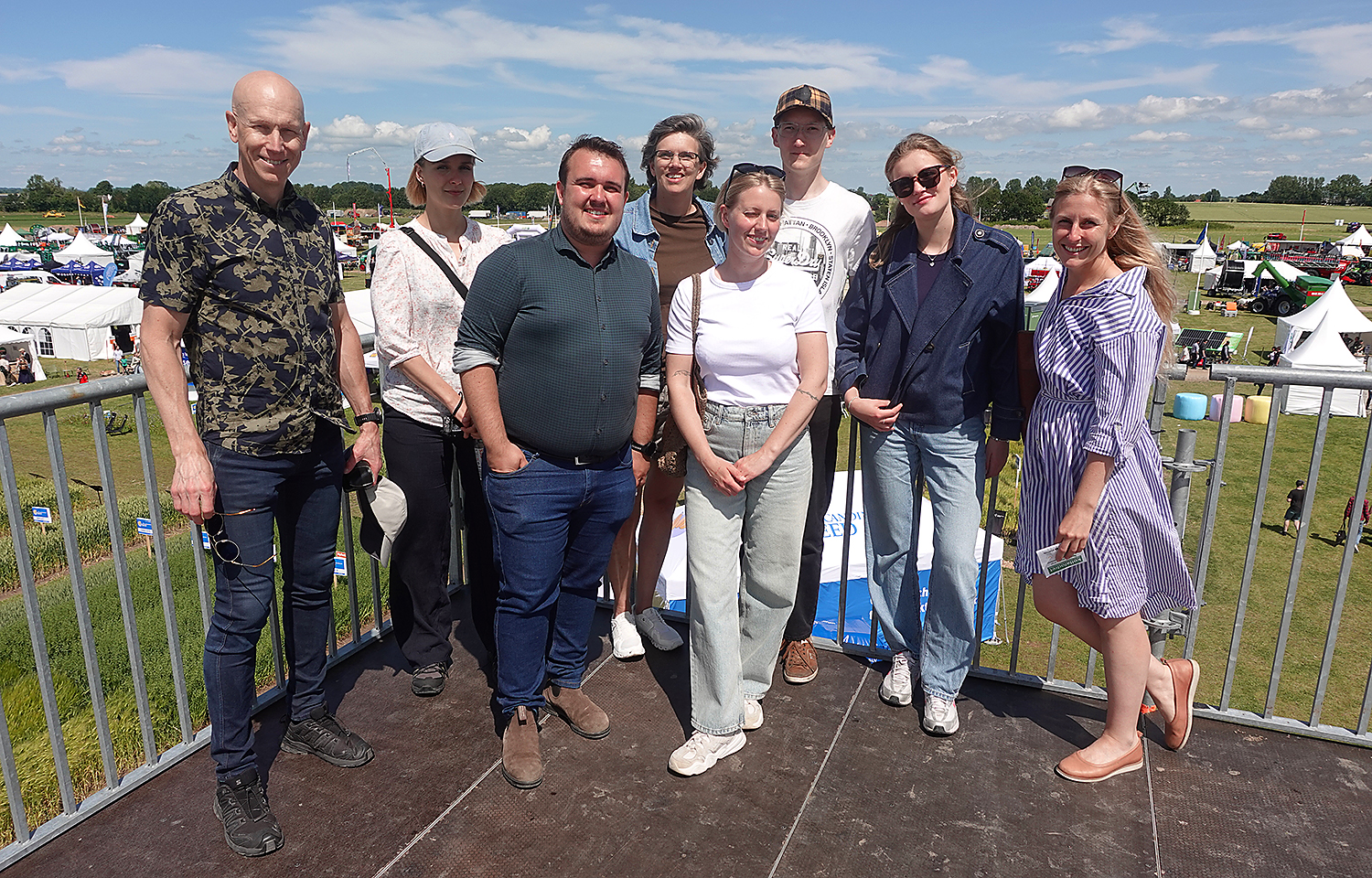
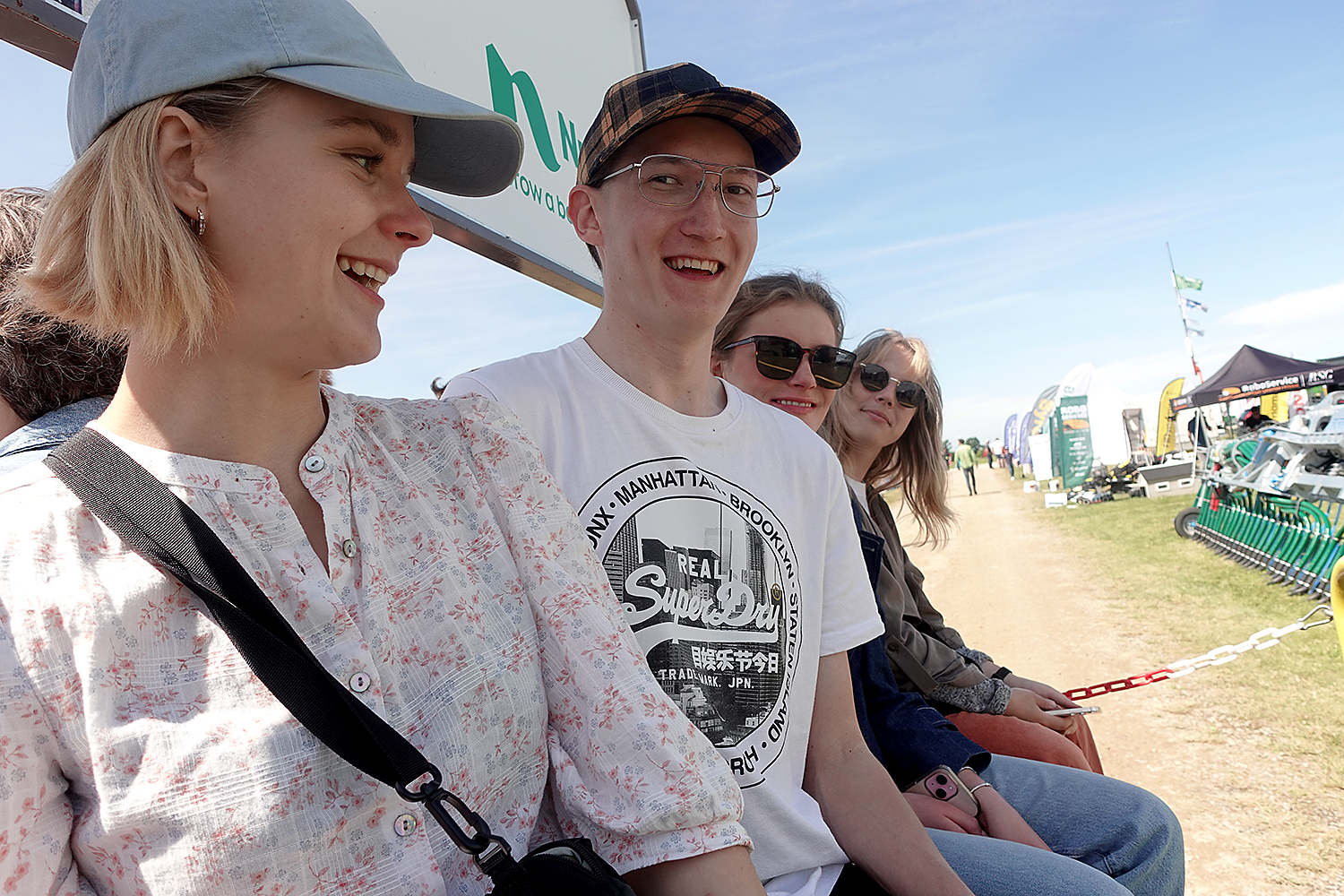
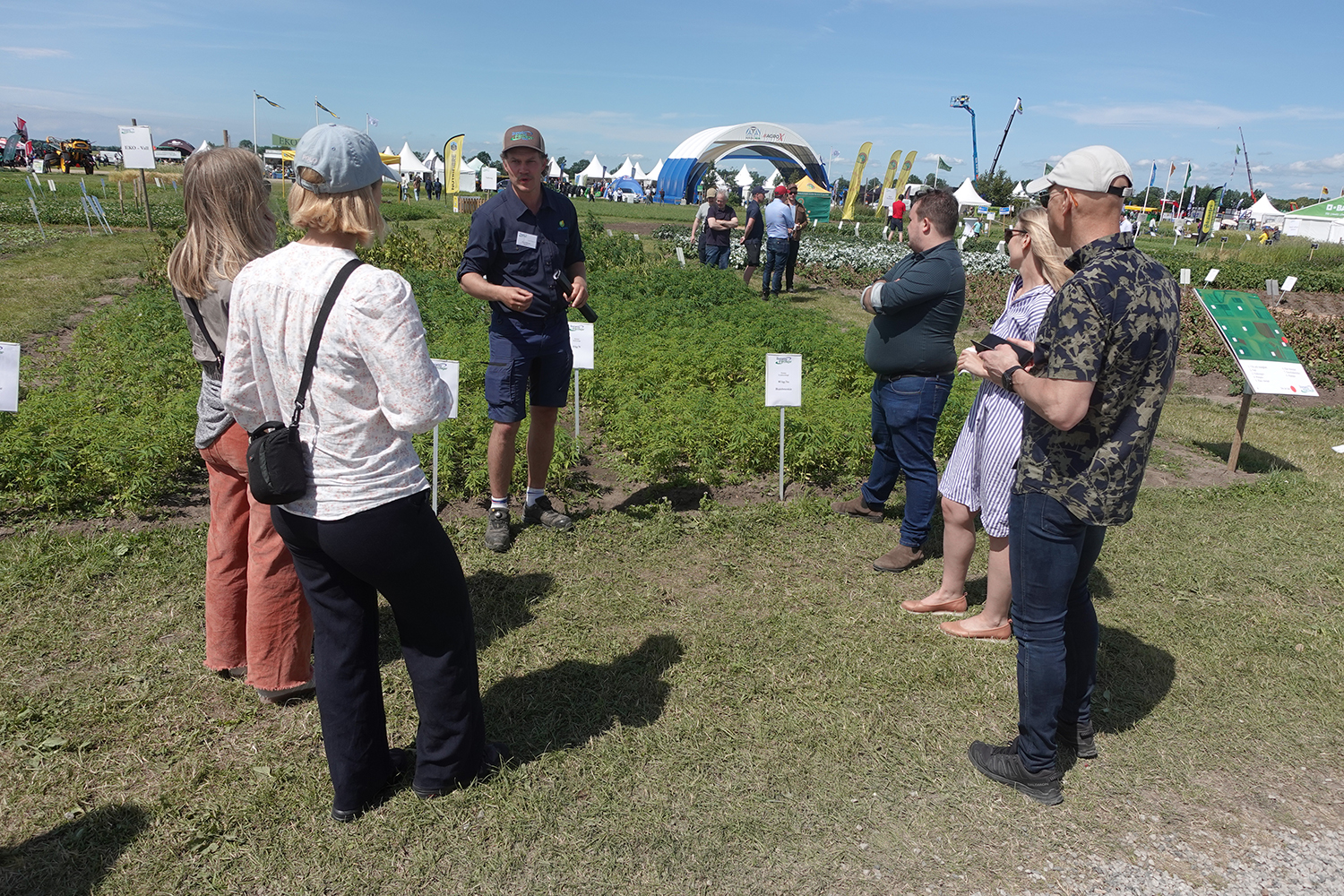
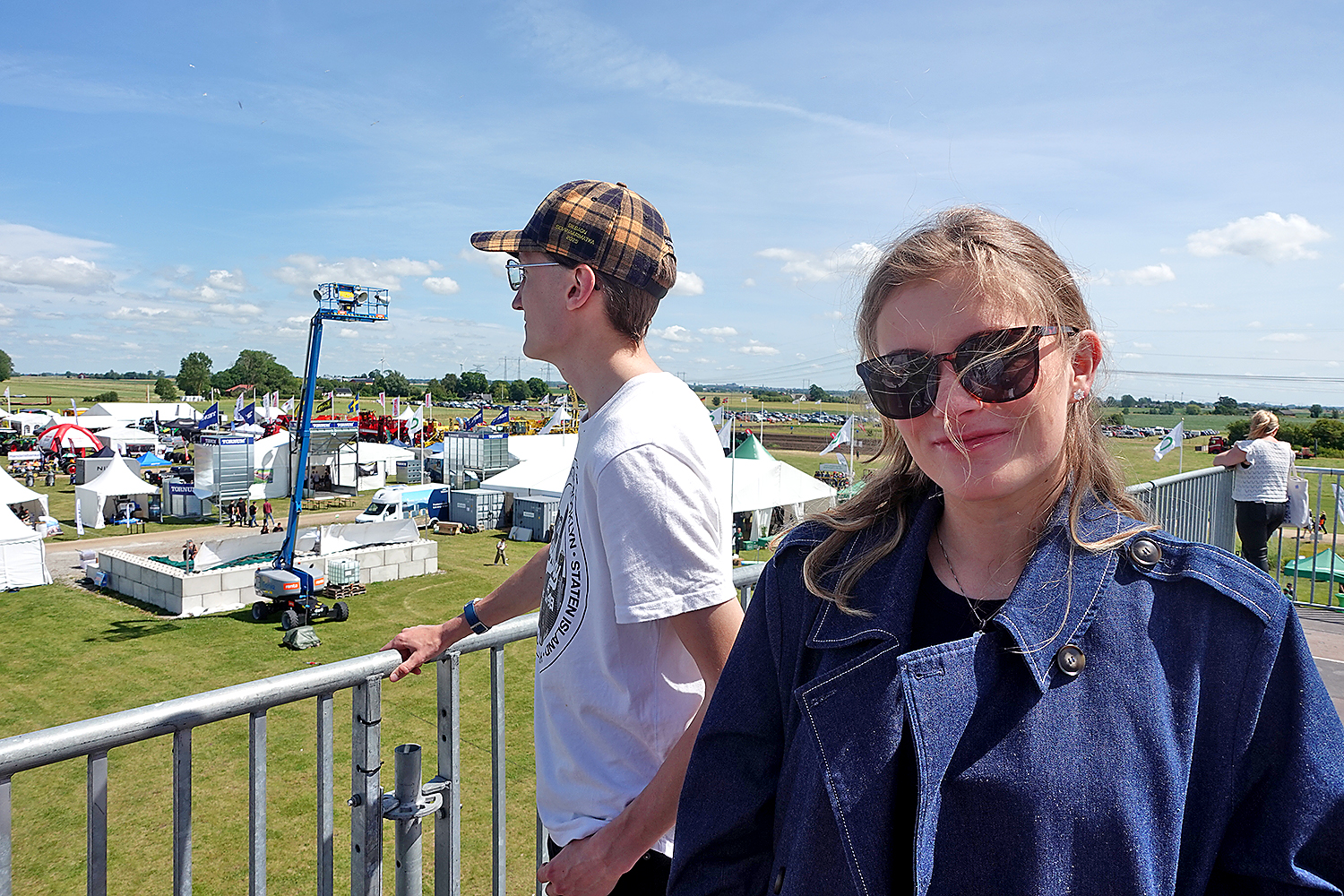
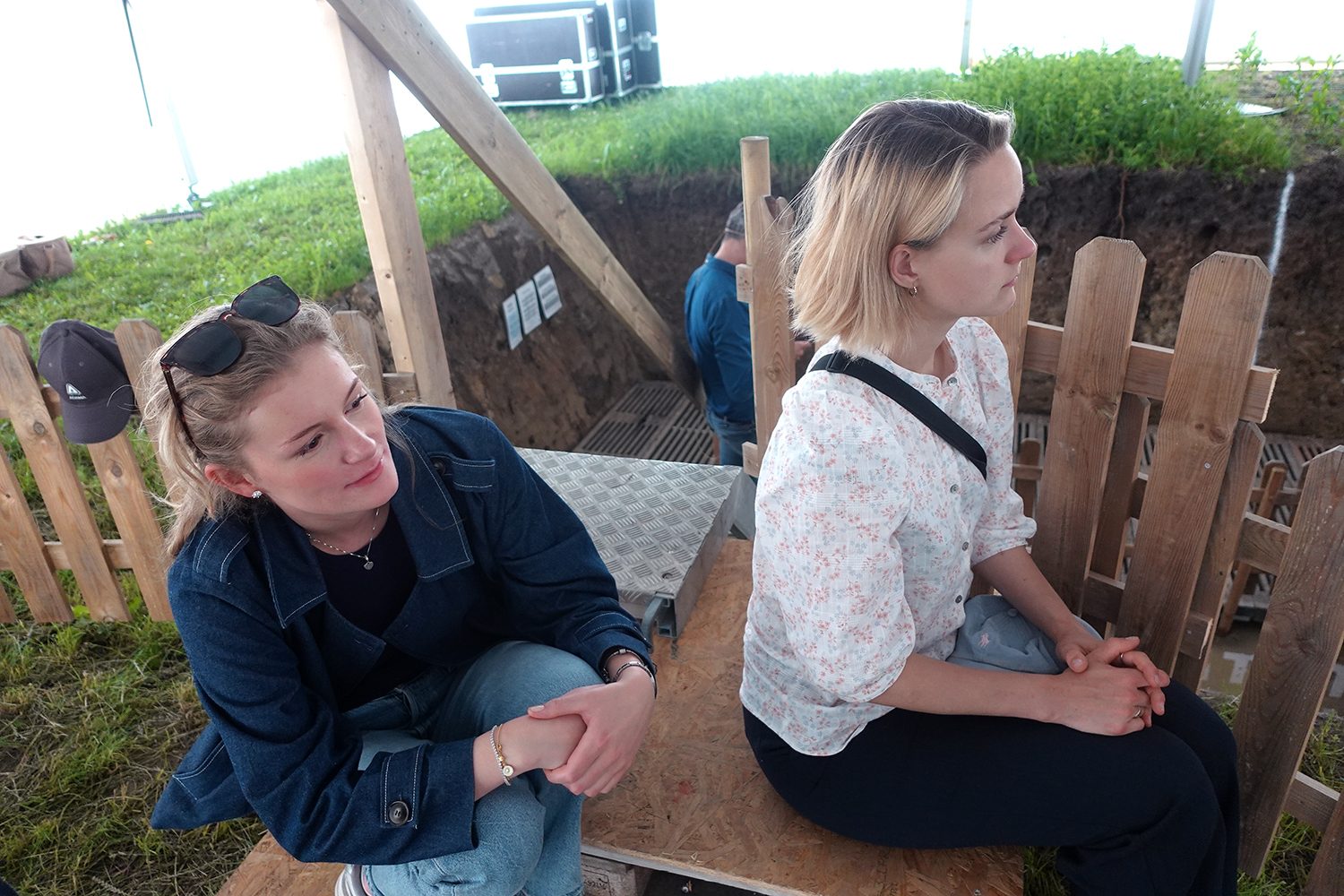
The meeting began in a regular meeting room at the Swedish University of Agricultural Sciences in Alnarp, but ended with a visit to Borgeby Fältdagar, one of Sweden’s largest agricultural fairs. There, the students were given a tour of part of the demonstration fields, saw the entire fair from the observation tower, and took a look at the famous pit.

Read more about the student network

From the left: Jonas Rönnberg, SNS/NKJ, Sonja Skjoldborg, Denmark, Lucas Georg Philip Solmer, Denmark, Sigríður Hrefna Pálsdóttir, Iceland, Hjördís Jónsdóttir, youth member SNS board, Iceland, Eljas Liehu, Finland, Ellen Ramson Høie, Norway, Louise Berger, SNS/NKJ.
Meeting participants online: Elias Bye Rossetnes, Norway, Jónína Sigríður Þorláksdóttir, youth member NKJ board, Iceland.


Land under pressure – growing demand for farmland

The area of agricultural land has long been decreasing in the Nordic countries. Farmland is now expected to serve many purposes beyond just food production – and it is urgent to discuss how we can collectively manage the conflicts that arise.

Svensk text: scrolla ner


Over the past decade, food production has been strained by multiple crises. The COVID-19 pandemic, climate change, war, and inflation all affect how we manage our land. This has made it an increasingly urgent issue to discuss and find answers to – both globally and at the Nordic level.

– For the future, we need to reflect on the role that agriculture and agricultural land play in times of crisis, and how the green sector can prepare to handle such crises, says Sofie Andersson, project coordinator at Nordic Agri Research (NKJ).

But it’s not only different types of crises that affect the food system. More and more new interests are placing demands on land as a vital resource. We want to create green energy, build housing, and protect biodiversity – just a few examples of land-intensive activities. Clearly, we need discussion and new solutions to meet all these needs.

Nordic Agri Research (NKJ) is now engaging in this discussion and offering recommendations for future cooperation on land use issues. The Nordic countries have a long tradition of collaborating to solve shared challenges. Tackling land use issues and balancing society’s various needs while maintaining national food security is no exception – and is facilitated through increased Nordic exchange.

– Competition for agricultural land creates both local and national conflicts. Through collaboration between the Nordic countries, we can help resolve these conflicts more effectively and quickly than we could individually, says Sofie Andersson.

The Nordic countries share similarities and differences in how they manage land use. They have similar planning systems, where local authorities hold the main responsibility, but differ in the types of national policy tools used to influence or regulate local planning. There is a lot they can learn from each other. In some areas, a common knowledge base would also facilitate cooperation in crisis management – for example, the development of soil maps for potential arable and pasture land, and common definitions of soil quality.

See all recommendations, statistics, and facts on land use in the Nordic countries


Swedish text:

Jordbruksmark under press – fler och fler avgörande behov kräver tillgång på mark

Arealen jordbruksmark har länge minskat i de nordiska länderna. Idag förväntas åkermark fylla många fler syften än enbart matproduktion – och det är brådskande att diskutera hur vi gemensamt kan hantera de konflikter som uppstår.

Under det senaste decenniet har livsmedelsproduktionen satts under press av flera olika kriser. Covid-19-pandemin, klimatförändringar, krig och inflation påverkar hur vi använder vår mark. Därför är det nu mer angeläget än någonsin att diskutera dessa frågor – både globalt och på nordisk nivå.

– För framtiden behöver vi reflektera över vilken roll jordbruket och jordbruksmarken spelar i krissituationer, och hur den gröna sektorn kan förbereda sig för att hantera sådana kriser, säger Sofie Andersson, projektkoordinator på Nordic Agri Research (NKJ).

Men det är inte bara olika typer av kriser som påverkar livsmedelssystemet. Allt fler nya intressen ställer krav på marken som resurs. Vi vill skapa grön energi, bygga bostäder och skydda biologisk mångfald – bara några exempel på markkrävande verksamheter. Det är tydligt att vi behöver diskussioner och nya lösningar för att möta alla dessa behov.

Nordic Agri Research (NKJ) engagerar sig nu i dessa frågor och presenterar rekommendationer för framtida samarbete kring markanvändning. De nordiska länderna har en lång tradition av att samarbeta för att lösa gemensamma utmaningar. Att hantera markanvändning och balansera samhällets olika behov, samtidigt som den nationella livsmedelssäkerheten tryggas, är inget undantag – och det underlättas av ett ökat nordiskt utbyte.

– Konkurrensen om jordbruksmark skapar både lokala och nationella konflikter. Genom samarbete mellan de nordiska länderna kan vi lösa dessa konflikter mer effektivt och snabbare än vad länderna kan var för sig, säger Sofie Andersson.

De nordiska länderna har både likheter och skillnader i hur markanvändningen hanteras. De har liknande planeringssystem, där det huvudsakliga ansvaret ligger på lokal nivå, men skiljer sig åt i vilka nationella styrmedel som används för att påverka eller reglera den lokala planeringen. Här finns mycket att lära av varandra. Inom vissa områden skulle en gemensam kunskapsbas också underlätta samarbete vid krishantering – till exempel genom utveckling av jordartskartor över potentiell åker- och betesmark, samt gemensamma definitioner av markkvalitet.

Se alla rekommendationer, statistik och fakta om markanvändning i de nordiska länderna här

The healing power of nature: an opportunity for rural entrepreneurship

For thousands of years, people have turned to nature for healing, recovery and remedies. Even today, nature can be an important source of health in the modern society. To promote wider use of Nature-Based Health Interventions (NBHIs), the Bioeconomy Programme has released a set of materials.


The material consists of a report with insights and policy recommendations, and a booklet with good practice examples.


The report maps nature-based health interventions (NBHIs) status in the Nordic-Baltic region as well as identifies challenges and provides policy recommendations. The recommendations are meant to unlock the full potential of NBHIs. One of the recommendations is to arrange scientific studies, to find out facts about how natural resources affect human health. It also proposes the funding of research on the economic aspect of NBHIs in the public sector and in rural areas.

– With the help of the research, we would be able to identify areas within the public sector where this kind of intervention could reduce pressure on existing healthcare services, says Bioeconomy Programme coordinator Anna Meisner Jensen.

If NBHIs are to be included in public healthcare, it’s important to be sure that the interventions have real effects. Therefore, it is proposed to set up national definitions and regulations for all NBHI activities to ensure consistency and efficacy in the implementation of them.

– That way, national plans could be developed to include NBHIs in public services, says Anna Meisner Jensen.

Another important part highlighted by the report is the need to spread knowledge about the benefits of NBHIs. Decision-makers in areas such as social services and the education system must gain access to knowledge about NBHIs and how they can be used.

– It would be good to develop materials on NBHIs that specifically target decision-makers in the right positions, so that we have the tools to reach out, says Anna Meisner Jensen.


Complementing the report is a practitioner-oriented booklet detailing business models, profiles, and practical insights. The booklet is designed to inspire current and future practitioners by showcasing diverse examples of nature-based health interventions (NBHIs).

Developed with current and future practitioners in mind, the booklet presents insights and examples demonstrating how landowners and small businesses in rural areas are integrating NBHIs as an income source. This booklet highlights the current role of NBHIs, shares practitioners’ challenges, and provides examples of successful models for those interested in or currently practicing NBHIs. It aims to provide guidance and inspiration for stakeholders looking to harness the potential of NBHIs and illustrate how the spread of NBHI practices can enhance public health while providing economic opportunities for rural communities.

Together, the report and booklet form a comprehensive resource material to encourage the development and adoption of NBHIs across the region.


Definition: Nature-based health interventions (NBHI)

Deliberately designed activities aimed at enhancing individuals’ overall functioning, health, and well-being, or aiding in their recovery and restoration by engaging with or being exposed to nature. In this context, the term ”nature” includes natural environments shaped by humans.


Bioeconomy program
SNS and NKJ got the mission from the Nordic Council of Ministers to start the work towards growth and green transition in Nordic and Baltic rural areas, with bioeconomy as the driver. We have run the Bioeconomy program during five years. The main objectives have been to:

  • Strengthen sustainable use of available bioresources in Nordic/Baltic rural areas.
  • Increase economic growth and social sustainability in rural areas in the Nordic and Baltic.
  • Strengthen Nordic/Baltic industry competitiveness in bioeconomy sectors in rural areas.

Knowledge exchange crucial for addressing bioenergy challenges

Identification of successful integrated local solutions for knowledge sharing is considered important when addressing the major challenges in the bioenergy sector. The Bioeconomy Programme has worked together with stakeholders and researchers to develop policy recommendations.

Download the report


A newly published report builds on the recommendations outlined in the Bioenergy Scoping Paper commissioned by the Nordic Council of Ministers in 2023. The primary objective of the report has been to ensure that the scoping paper policy recommendations can be implemented with lasting impact. Additionally, the report aims at deepening the understanding of the bio­energy value chain context and provide ac­tionable input by identifying relevant challenges and po­tential solutions.

Four seminars were organized, aiming at capturing the main points of view and feedback on the recommendations in the 2023 scoping paper, of four key groups: researchers, bioenergy organisations, practitioners and policymakers. The findings from the 2023 scoping paper were discussed, and the recommendations were further refined and classified in order of priority (see below).

The four policy recommendations address the major challenges facing bioenergy in the Nordic-Baltic region. While they can be implemented individually, they are also designed to complement each other. The seminar participants ranked them in this order:

  1. Identifying successful integrated local solutions for knowledge sharing – Recognizing and disseminating effective local bioenergy initiatives to support broader adoption.
  2. Creating a Nordic-Baltic cooperation platform on bioenergy – Establishing a collaborative framework to promote cross-border partnerships and knowledge exchange.
  3. Mapping existing regional networks and initiatives – Identifying current bioenergy networks to leverage synergies and avoid redundant efforts.
  4. Organizing Nordic-Baltic hackathons – Hosting innovation-driven events to tackle specific bioenergy challenges and inspire creative solutions.

Do you want to learn more about how these recommendations can be put into practice? Download the full report – it’s free of charge! You’ll find concrete proposals on how to implement these ideas and reach the intended goals, as well as insights into the methods used to develop the recommendations.

Opportunities for farm diversification can make the young stay

Better prospects for young people in rural areas to exploit entrepreneurial opportunities may help making them stay, contributing to growth and prosperity of the rural communities. A new policy brief provides recommendations for farm diversification for a vibrant future for the Nordic and Baltic countryside.


A new policy brief from the Bioeconomy Programme (a strategic project of the Nordic Council of Ministers, managed by SNS and NKJ) presents initiatives and challenges related to young rural entrepreneurs in the Nordic and Baltic region. The aim is to improve policy-makers’ understanding of farm diversification when designing policies to attract and incentivise young people to live and work on the countryside.

The policy brief gives a view on the obstacles for making the youth stay in the countryside, as well as it gives examples of farm diversification and solutions to the problem.

The policy brief gives the following policy recommendations:

Expand funding mechanisms
  Expand direct subsidies and low-interest loans that focus on young farmers who aim to diversify their businesses to lower barriers such as access to land and equipment. This recommendation focuses on attracting, retaining and enabling young entrepreneurs in rural areas to explore new business opportunities and farm diversification.

Spread awareness of the potential of working within the bioeconomy
Initiate public campaigns to provide a spotlight to young, rural entrepreneurs with a highlight on female entrepreneurs, and their diversified businesses. This recommendation focuses on making rural entrepreneurship more attractive to young people, emphasizing the unique value propositions and potential of rural lifestyles, and showcasing female entrepreneurs as role models to inspire other women to become farm successors.

Facilitate knowledge sharing and build a stronger group identity
Support existing youth clusters, such as young farmers associations and coordinate new cross-regional events that bring together young farmers and rural entrepreneurs from across the Nordic-Baltic region. This recommendation focuses on facilitating knowledge sharing, networking opportunities, and building a stronger group identity among young rural entrepreneurs.

Investigate how to lower the high regulatory burden on diversified farms
Launch a comprehensive study to investigate what support or training programs, financial assistance, or regulatory streamlining measures are needed to reduce the regulatory burden on diversified farms. This recommendation focuses on supporting diversified farms and encouraging farm diversification by lowering the deterring impact of high compliance and regulatory demands, such as health and safety standards or environmental regulations.


Download the policy brief for free!

How the Nordic Baltic regions can manage the challenges in plant nutrition supply

The Nordic bioeconomy faces significant challenges in securing access to plant nutrition. To address these issues, the Bioeconomy Programme, led by Nordic Agri Research (NKJ), Nordic Forest Research (SNS) and funded by the Nordic Council of Ministers, has published a new report.

The report maps ongoing initiatives, identifies key challenges, and proposes preliminary policy measures to ensure a stable and sustainable plant nutrition supply in the Nordic and Baltic regions.

Background of the report

Global food production depends heavily on a stable supply of plant nutrition. Disruptions in this supply chain can have severe consequences for food security. Against this backdrop, the Bioeconomy Programme initiated a study to:

  • Map ongoing initiatives and activities aimed at securing plant nutrition supply in the Nordic and Baltic regions.
  • Identify risks and challenges associated with these initiatives.
  • Propose preliminary policy actions to strengthen self-sufficiency and reduce vulnerabilities.

Key findings and conclusions

The report reveals that several promising initiatives are under development, particularly in Sweden, with the potential to significantly reduce reliance on imported plant nutrition. These initiatives vary in scale and timeframe, with some already in production and others planned to launch before 2030.

Despite these positive developments, the report identifies several key challenges:

  • Uncertainty about future demand: Producers express concerns about whether consumers are willing to pay for fossil-free but potentially more expensive products.
  • Dependence on imported raw materials: Many initiatives rely on imported inputs, which can create vulnerabilities during global supply disruptions.
  • Access to green electricity: The increased demand for renewable energy may lead to bottlenecks, particularly in northern Sweden, where many projects are concentrated.
  • Regulatory barriers: Existing legislation and permit processes are often not adapted to new and innovative technologies, causing delays in implementation.

Recommended policy actions

To address these challenges, the report suggests several policy measures:

  • Establish common goals and strategies: Develop a unified vision for plant nutrition supply in the Nordic and Baltic regions.
  • Introduce economic incentives: Provide subsidies for fossil-free production and/or taxation on traditional, more environmentally harmful methods.
  • Reform regulations: Adapt legislation and permit processes to facilitate the implementation of new technologies.
  • Create networks and platforms: Promote collaboration among key stakeholders through Nordic/Baltic networks for knowledge exchange and joint development.

By implementing these measures, the Nordic and Baltic countries can strengthen their self-sufficiency in plant nutrition, reduce vulnerabilities to global disruptions, and foster a sustainable bioeconomy in the region.

For more detailed information, you can access the full report here.