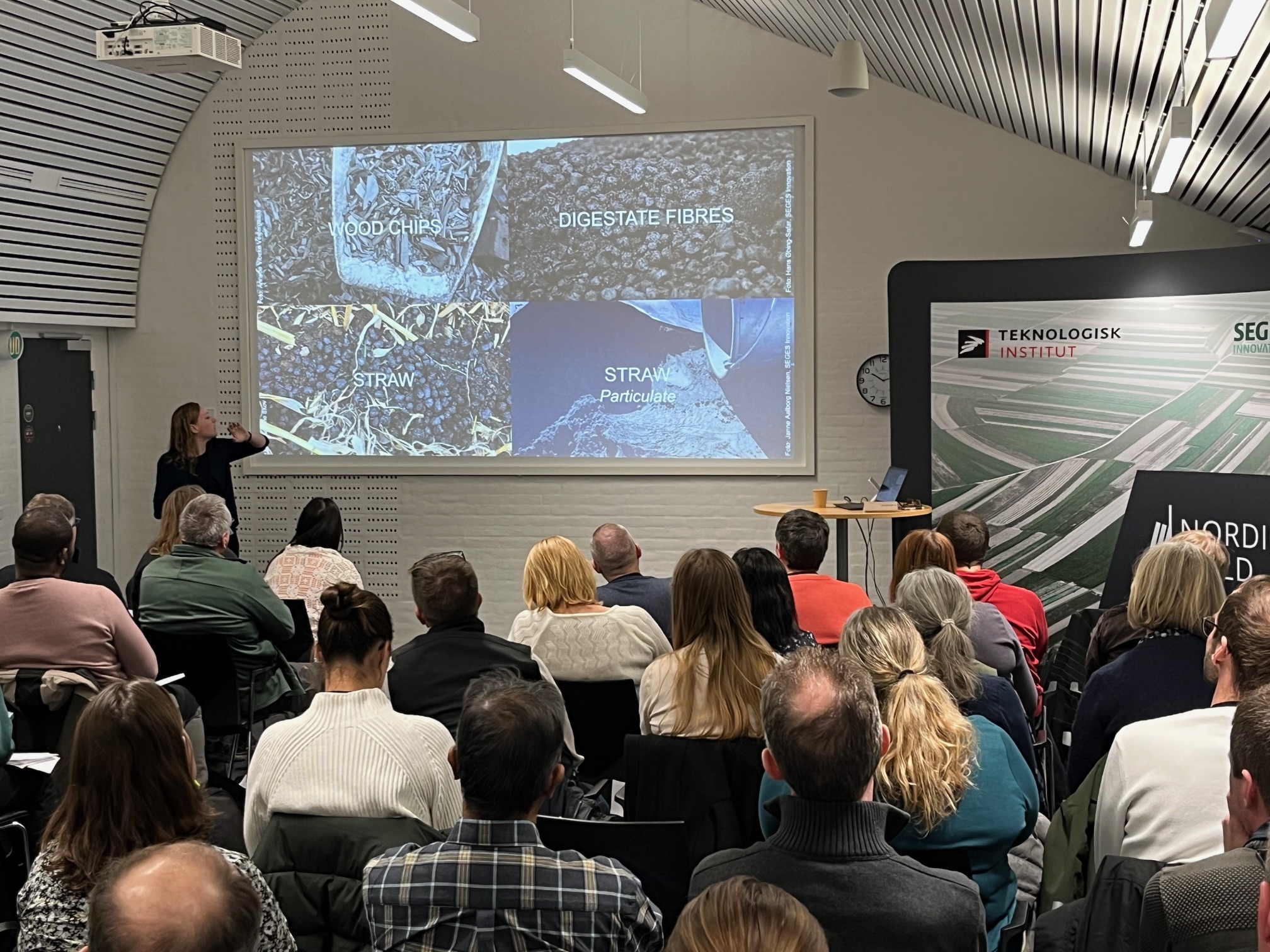
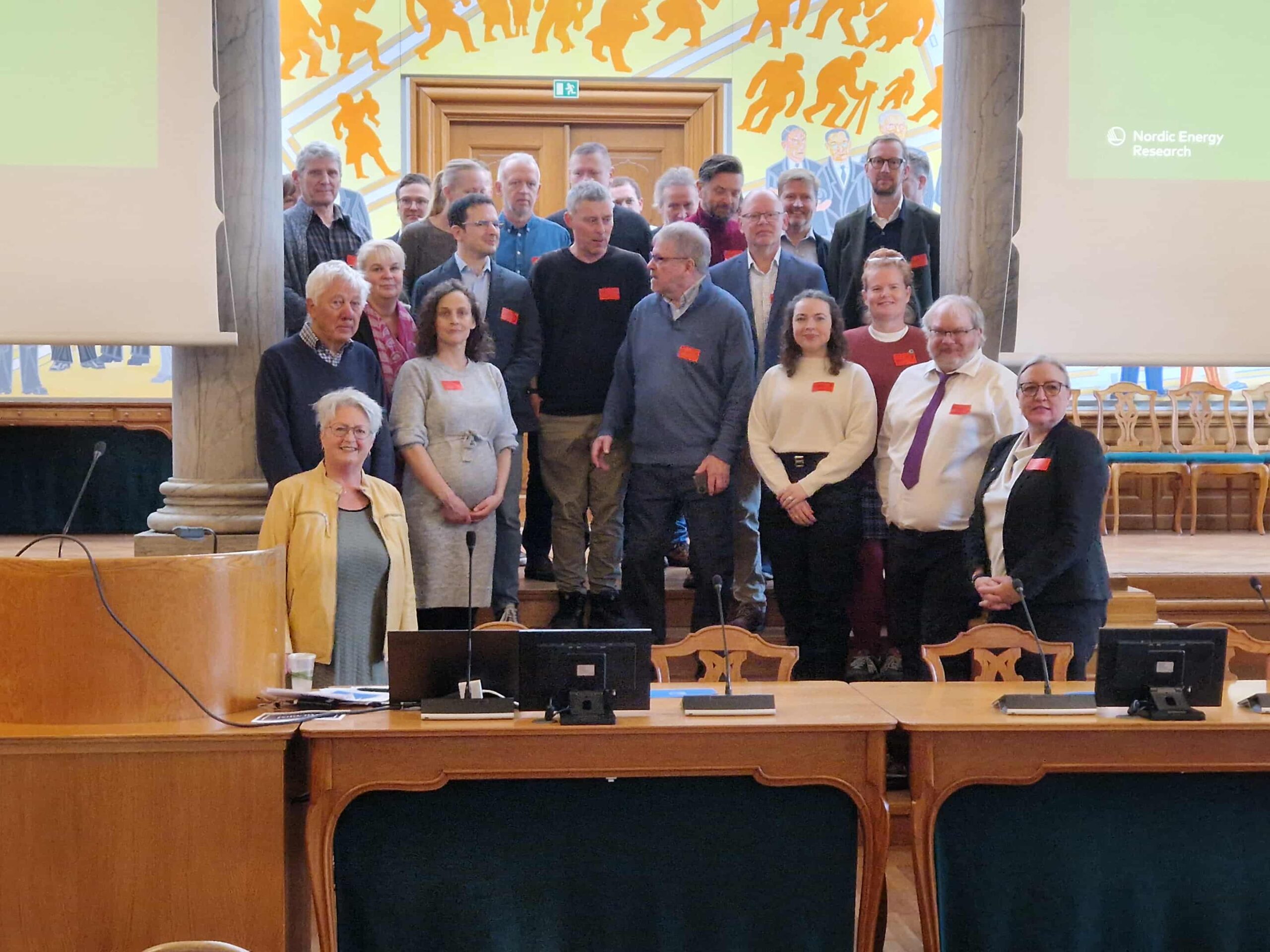
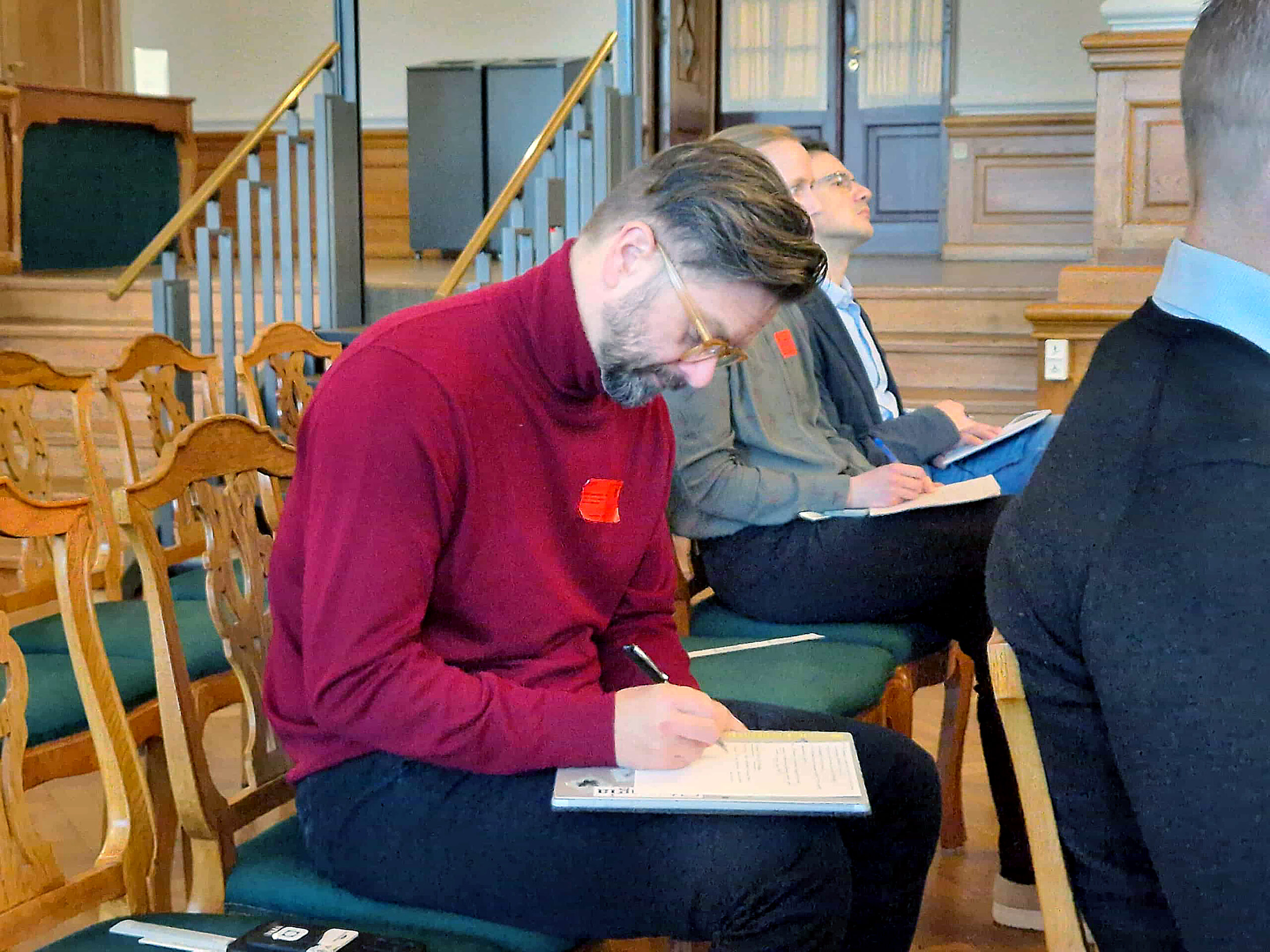
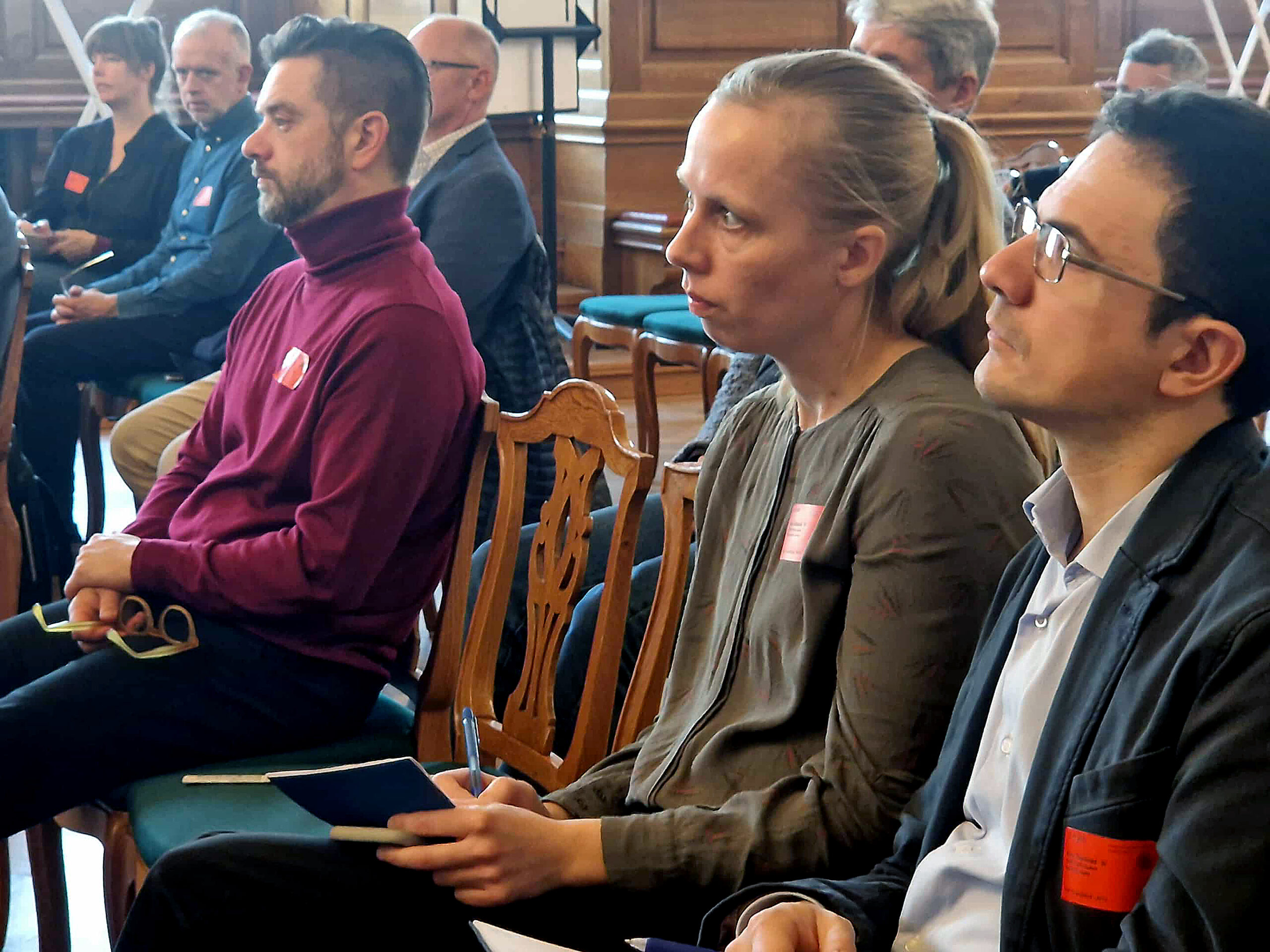
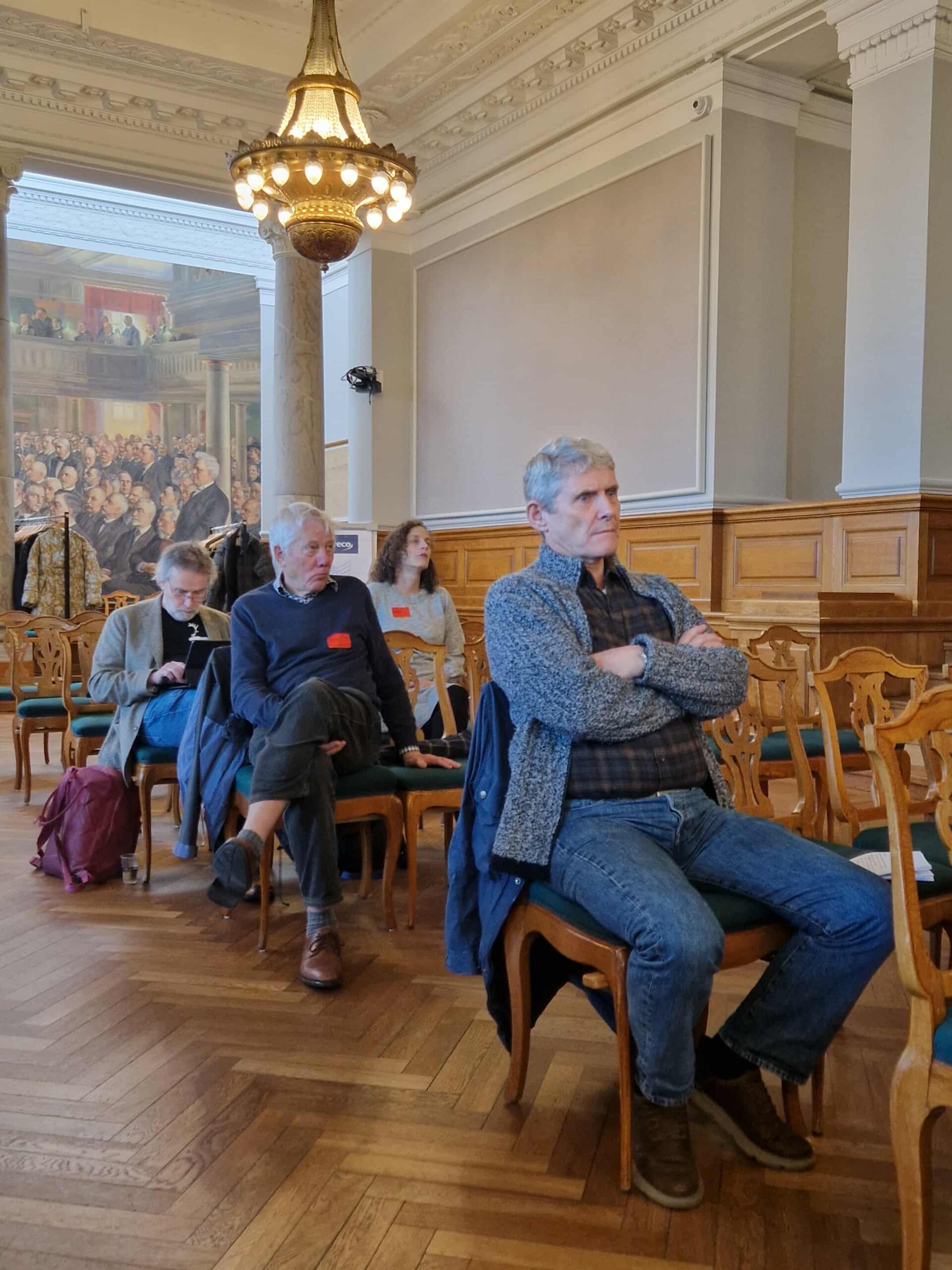
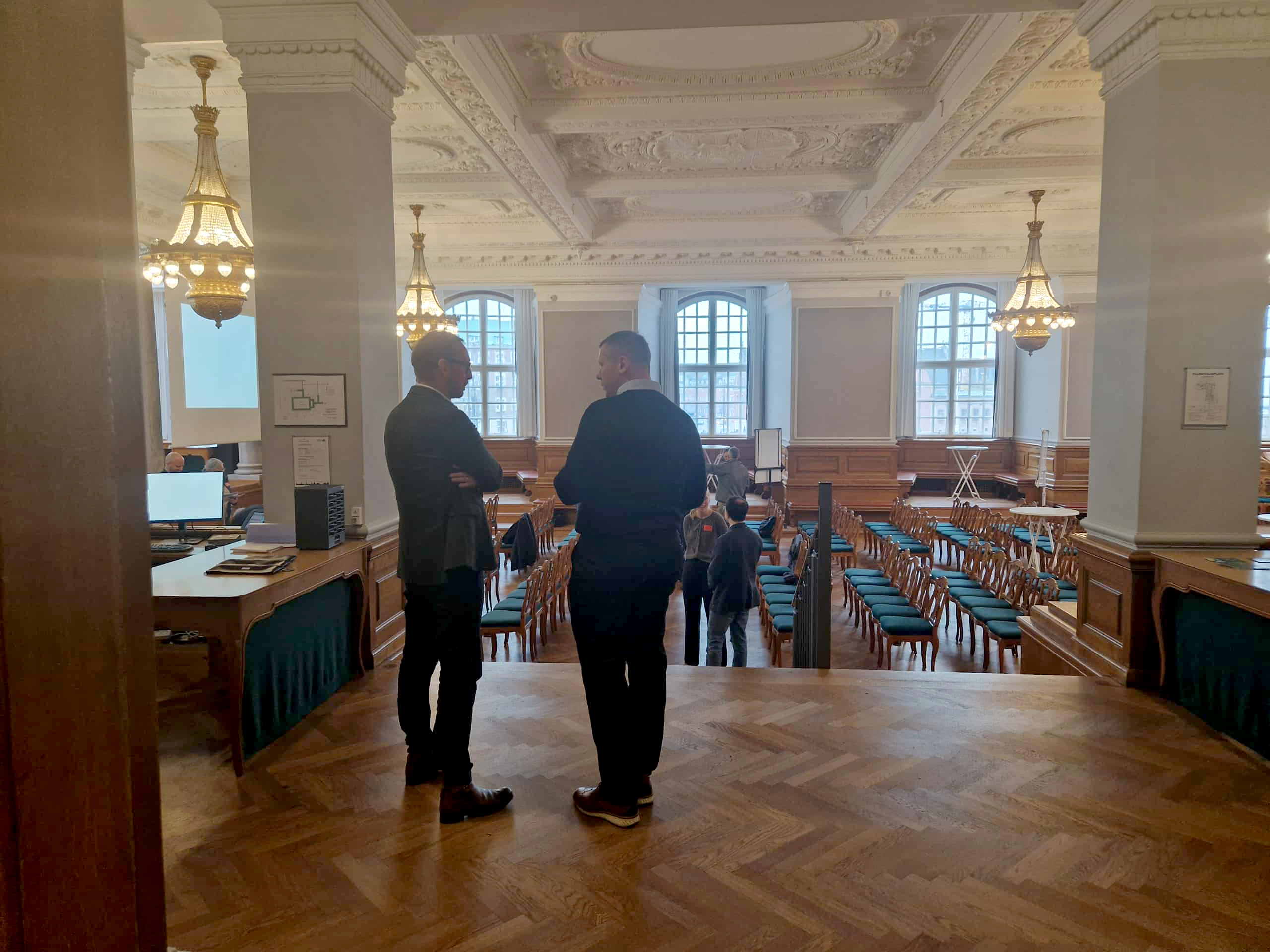
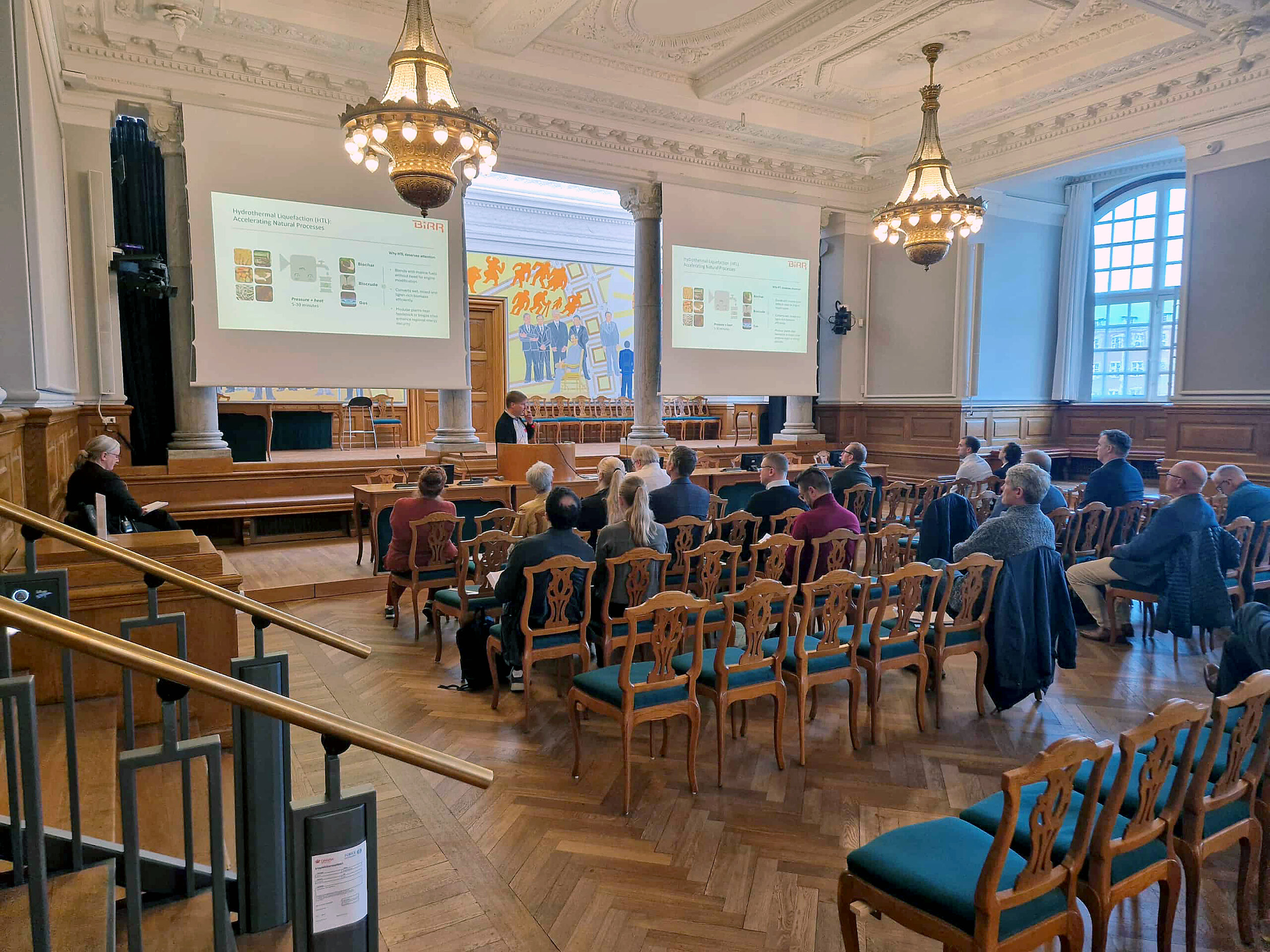
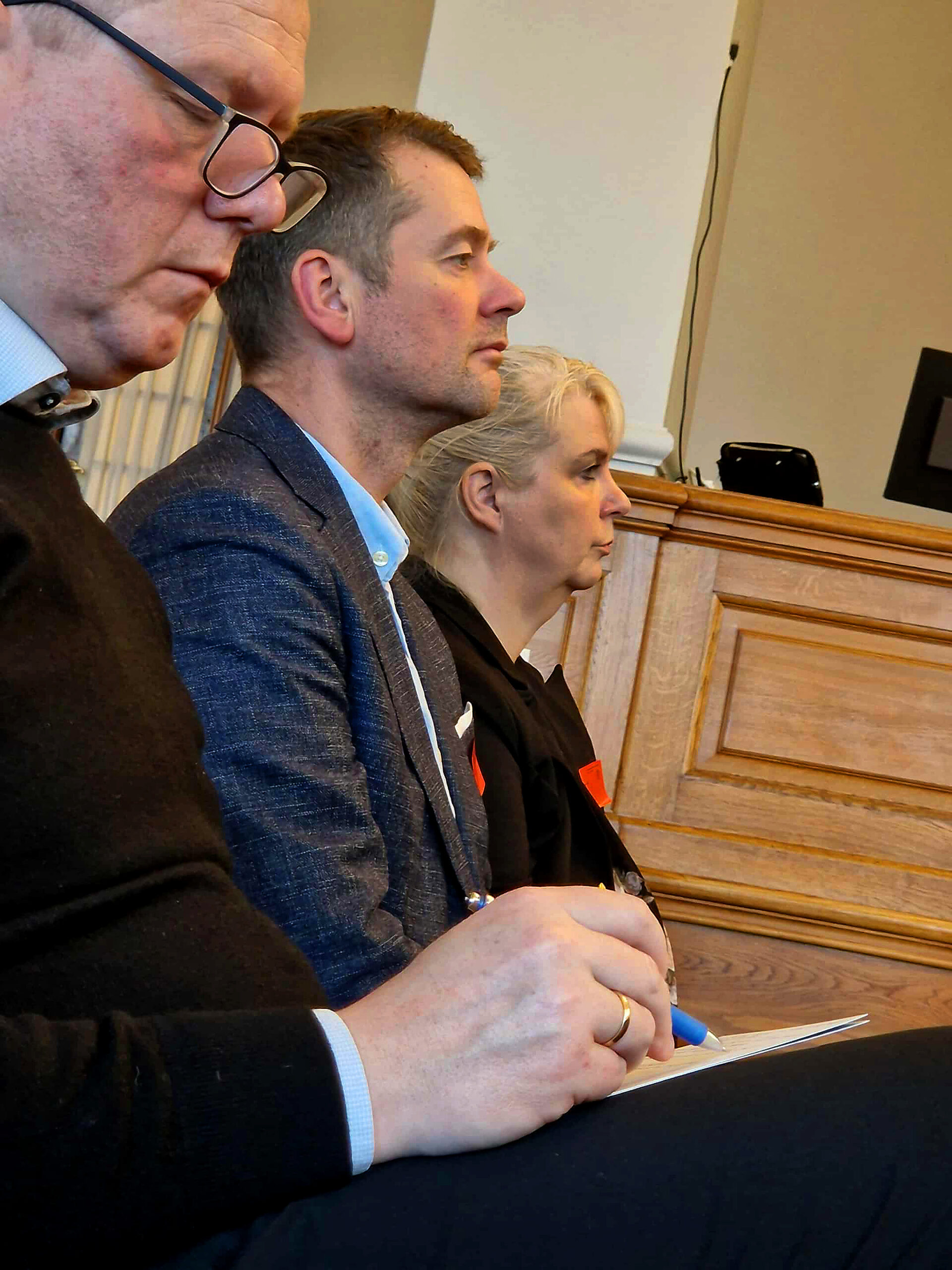
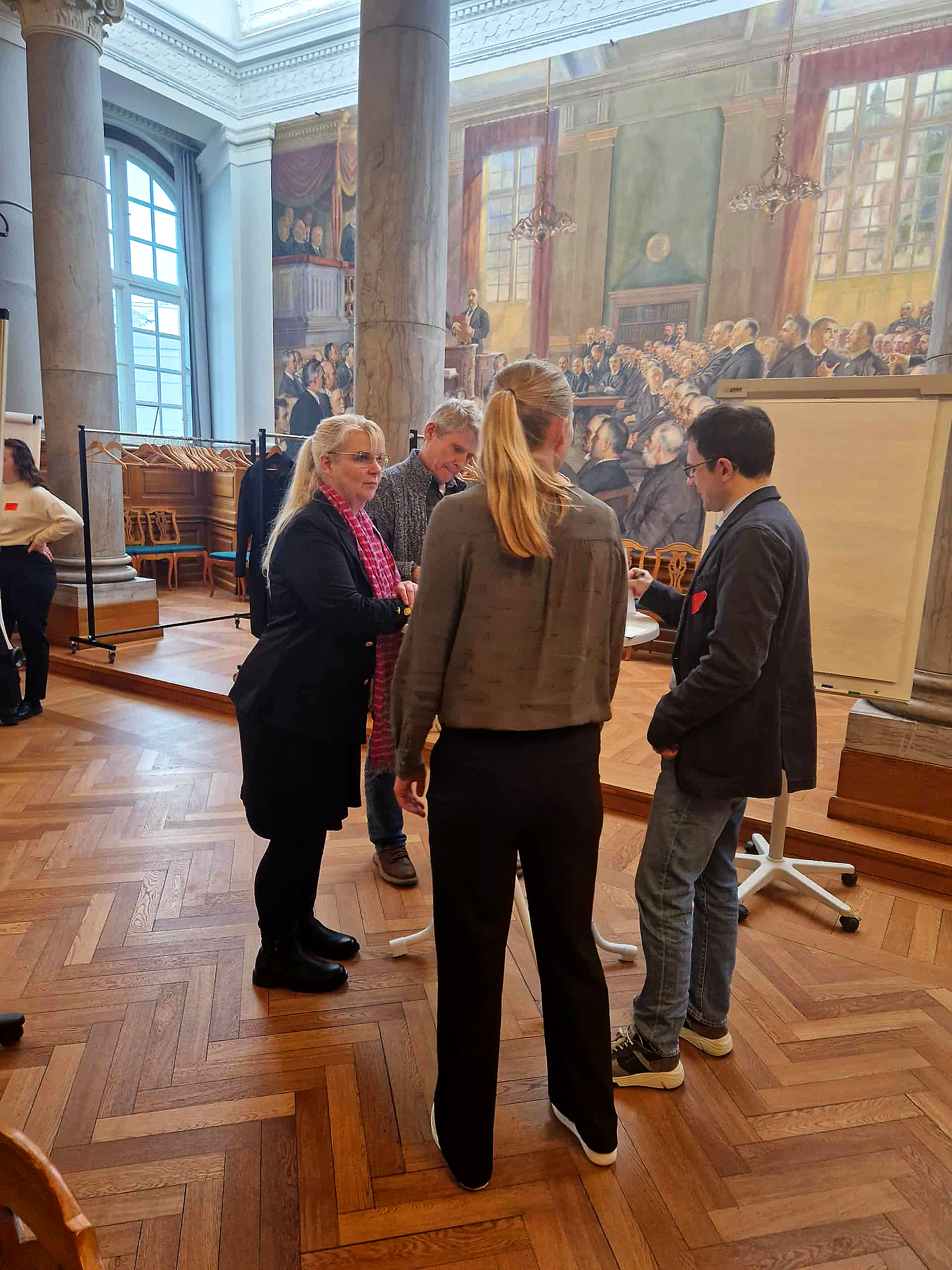
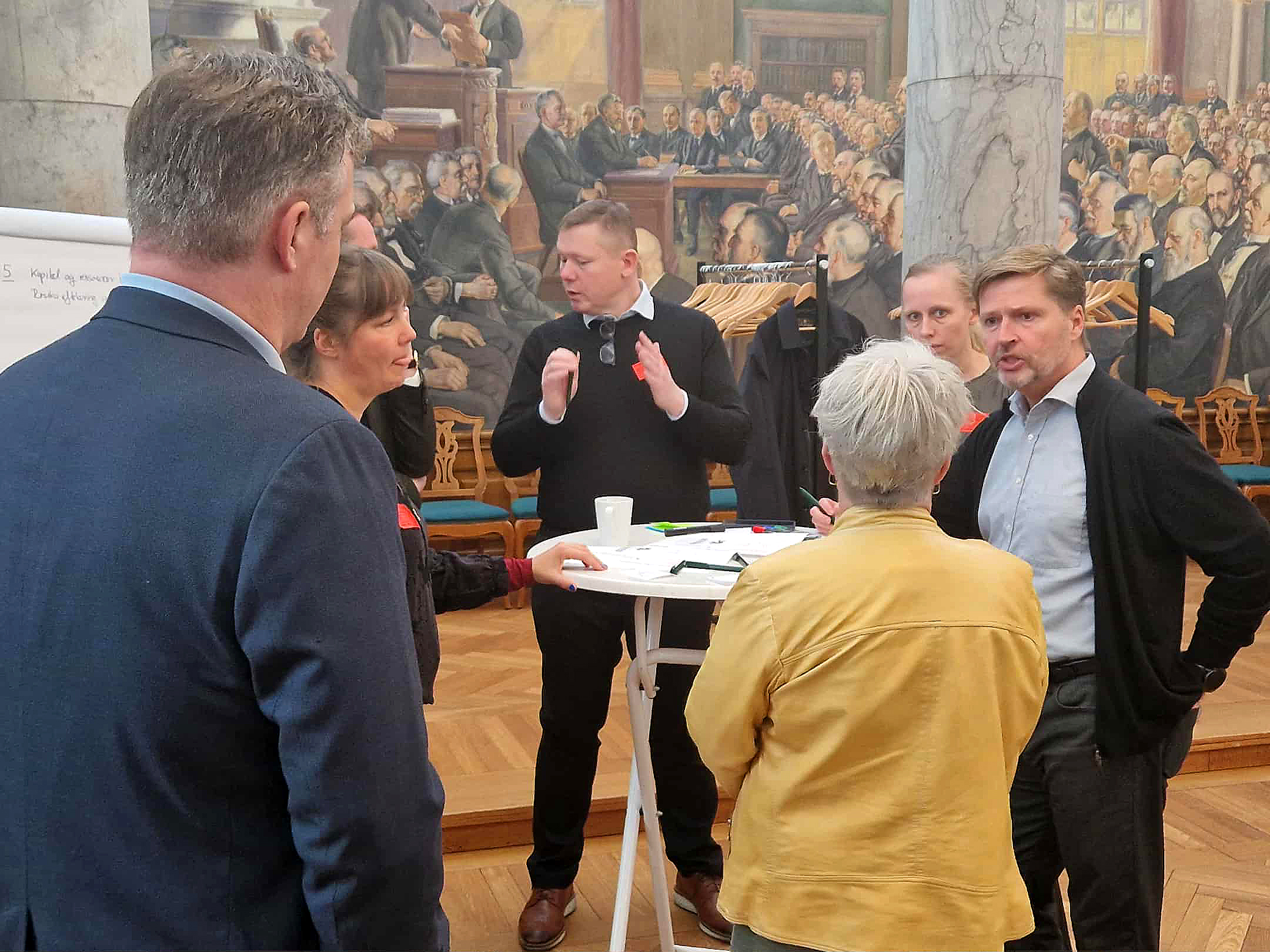
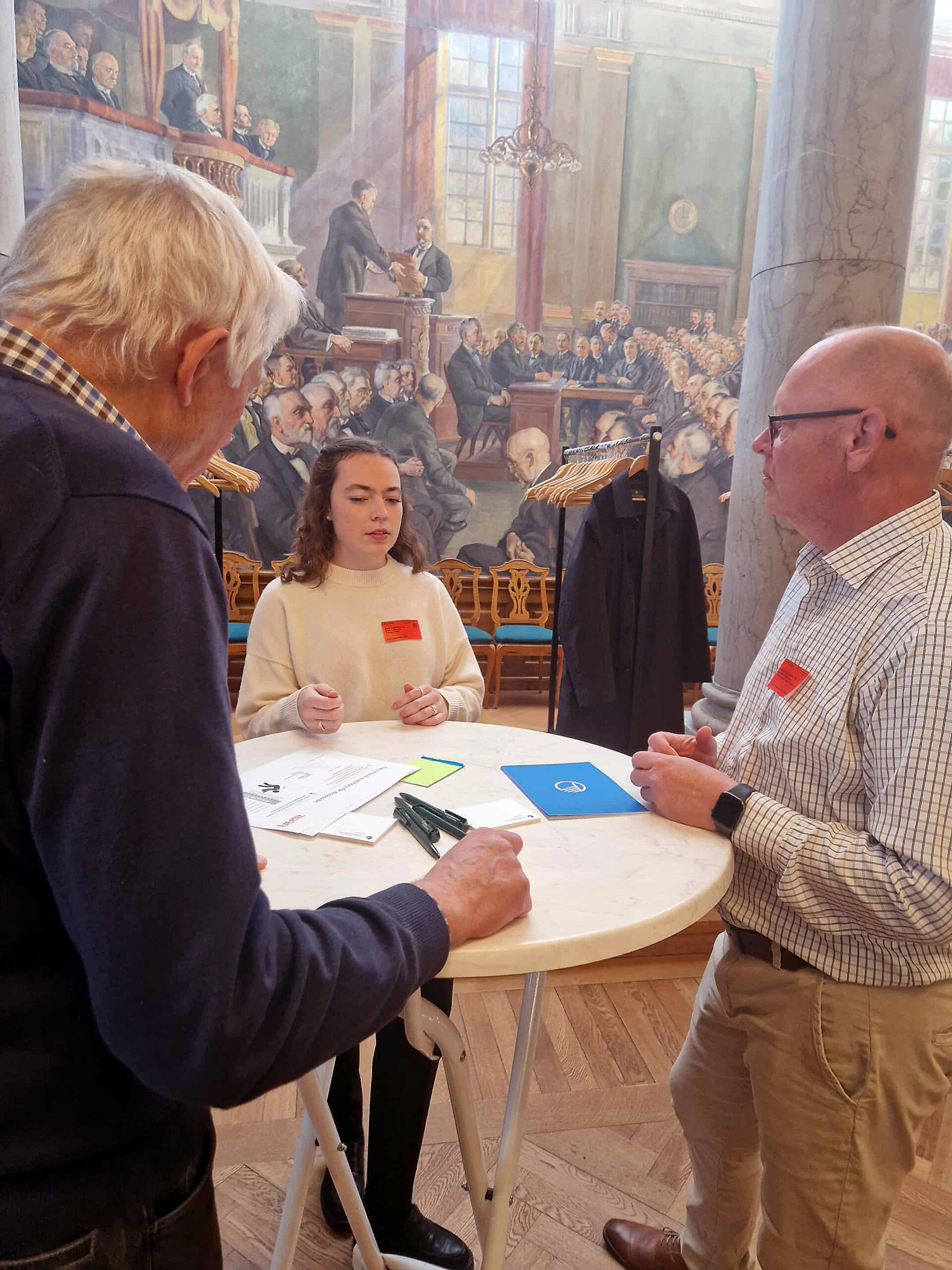
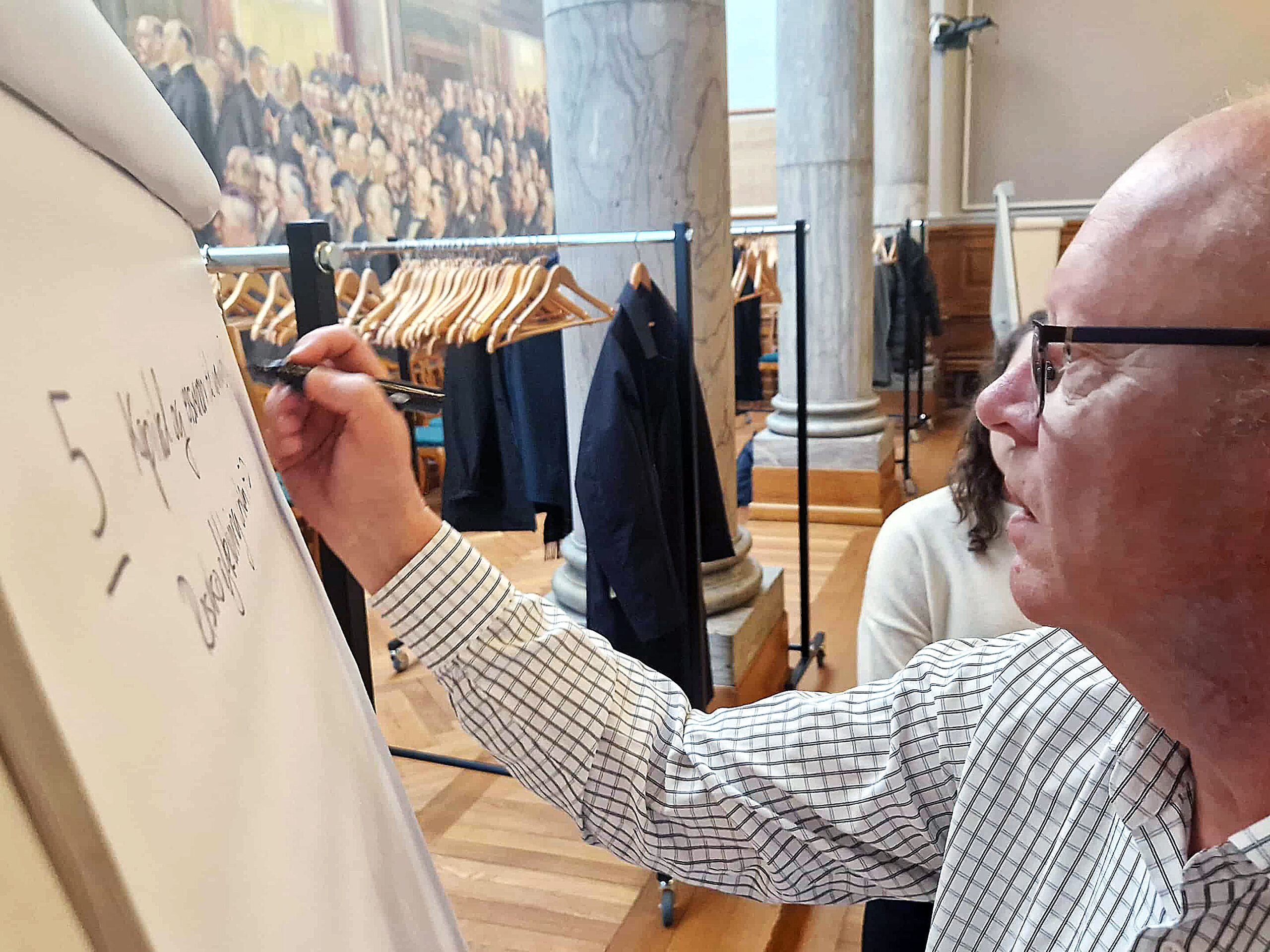
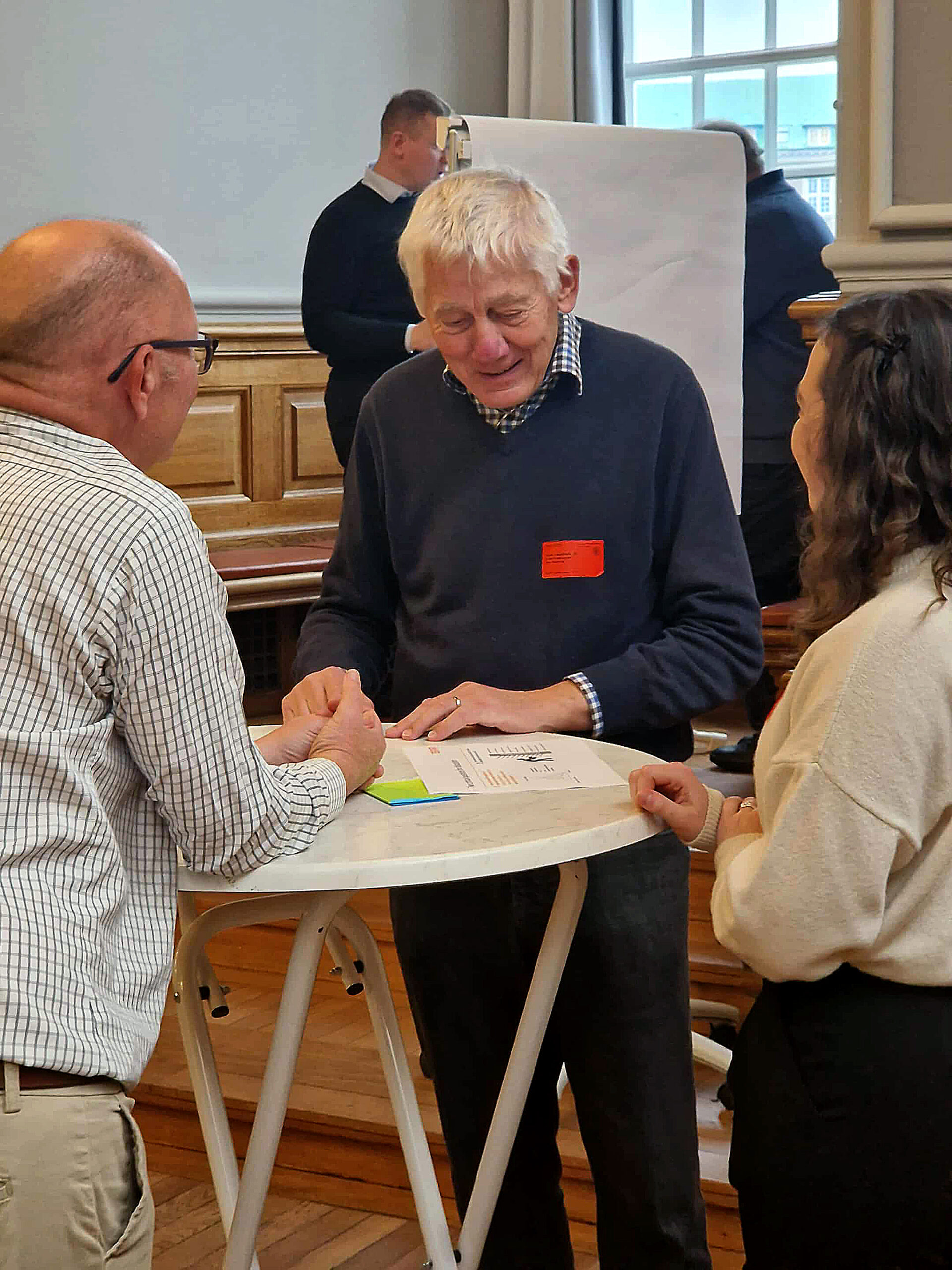
Field trial professionals and enthusiasts in the Nordic region had a real peak last week, at least if attending the 4th Nordic Field Trials Network (NFTN) Conference in Skejby last week.
Photo: Private
In total, there were 72 participants from 7 countries – Denmark, Sweden, Norway, Finland, Iceland, Latvia and Germany – representing more than 30 different organisations across research institutes, advisory services, field trial units, seed companies and technology providers.
“The broad mix of people and institutions made the conference exceptionally well attended and very valuable”, writes network coordinator Nicolai Fog Hansen in a mail after the conference.
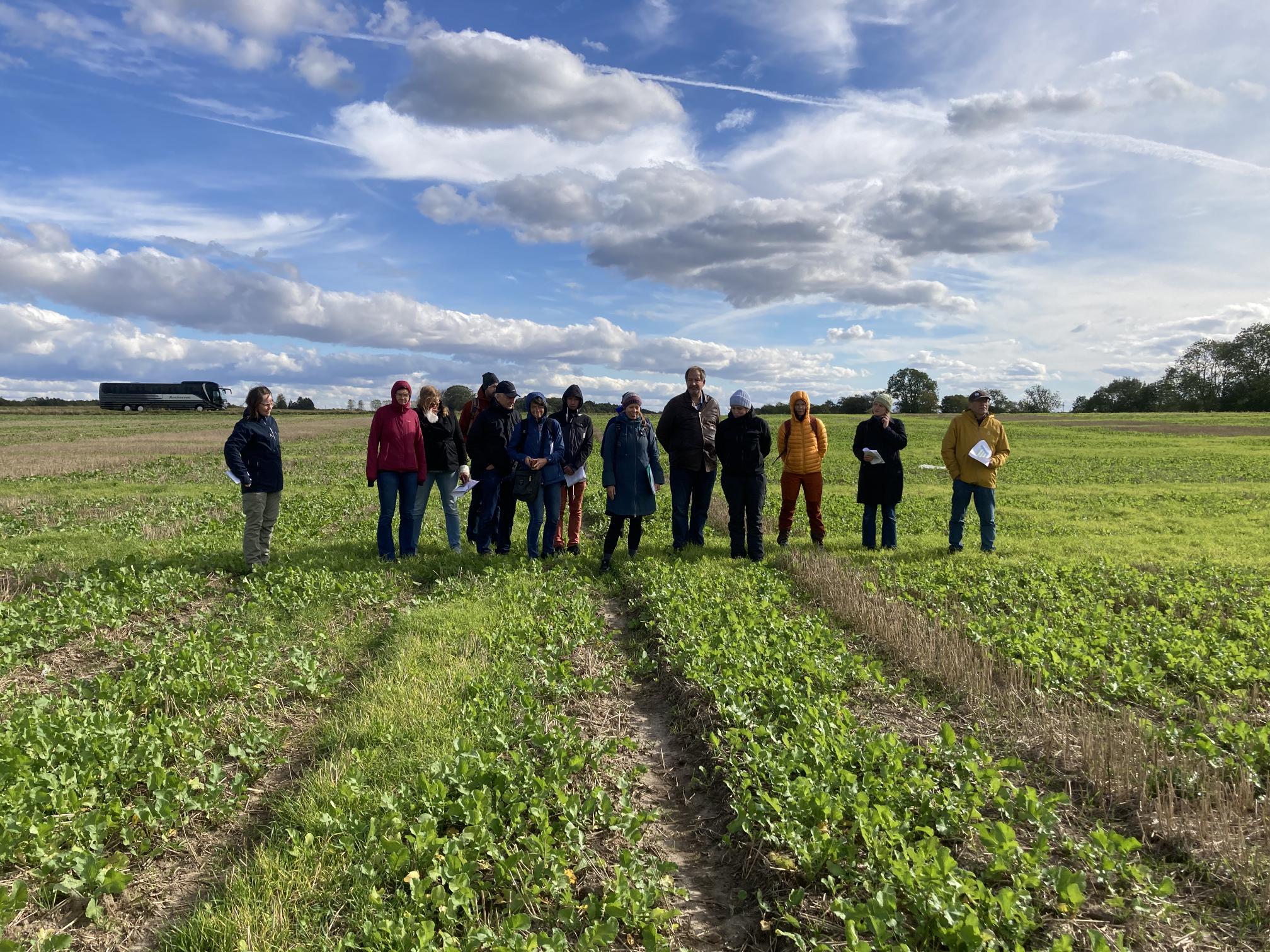
The participants started off the conference with field visits to Danespo and Nordic Seed. That was a very strong and practical start to the programme.
Throughout the three days, there were a strong series of presentations and a lot of active discussion – both in the sessions and during the breaks, field visits and social events.
“Many of the participants commented on how useful it was to meet colleagues from other countries who work with similar practical challenges in field trials, and it was clear that the networking and informal conversations were just as important as the formal talks”, writes Nicolai Fog Hansen in his mail.
The network is currently preparing a new funding application to NKJ to continue and expand NFTN activities over the coming years. They already have agreements with Latvia (2027) and in Agriultural University of Iceland (2028) to host future NFTN conferences. More information will follow as plans and funding are confirmed – please stay tuned.
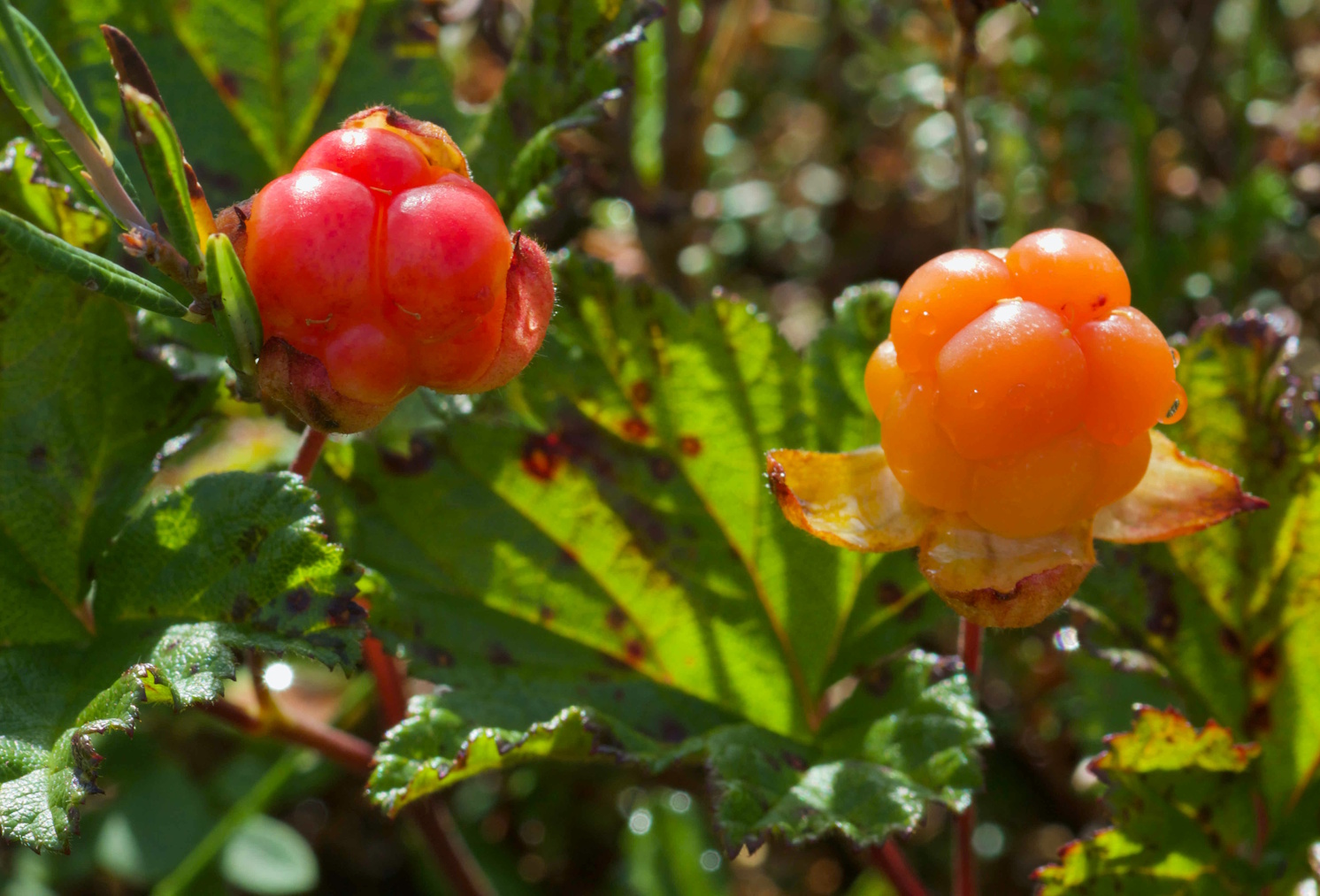
The Nordic Berry Research Network has concluded its activities with a final webinar, bringing together researchers involved in the network to summarise outcomes and discuss future collaboration within Nordic berry research.
Photo: Ville Hallikainen
The network was established to strengthen knowledge exchange and collaboration between research on wild and cultivated berries in the Nordic region. Berries play an important role in Nordic food culture, horticulture and the multifunctional use of forests, as well as in food security. The network has addressed the need to better utilise synergies between wild and cultivated berry production, which have traditionally been studied separately.
During the network period, researchers from Finland, Sweden, Norway and Denmark have focused on shared challenges related to sustainability, climate resilience, production, utilisation and market development of berries.
Network activities have included webinars, workshops and stakeholder engagement, as well as the Nordic Wild Berry Conference held in Rovaniemi, Finland, in October 2025.
The final webinar provided an opportunity to reflect on the work carried out within the network and to discuss next steps, including continued collaboration and the development of joint Nordic research initiatives.
– One key insight was that wild berry use is changing but not disappearing. Foraging remains a popular and meaningful activity, closely linked to nature, well-being, and cultural identity. Many people still pick berries themselves and value wild berries for their naturalness, taste, health benefits, and local origin. These values strongly influence which berry products people trust and buy. Understanding consumers therefore helps businesses and policymakers develop products and value chains that align with societal expectations, says Rainer Peltola, coordinator of the network and senior scientist at the Natural Resources Institute Finland.
– By bringing together diverse perspectives – from consumers and forest owners to scientists and policymakers – the network showed that the future of wild berries is not only about yields and markets. It is about values, trust, and shared responsibility. With proactive approaches, Nordic societies can ensure that wild berries continue to be a living part of forests, cultures, and sustainable economies, says Rainer Peltola.
The presentation explores the enduring significance of wild berries in the face of societal, economic, and environmental transformations. Beginning with the evolution of forest general use, the talk examines key milestones – land reforms, the development of everyone’s rights, and the rise of commercial berry picking. The presentation also delves into the need for sustainable resource management and envisions potential futures for the utilization of wild berry resources, encompassing both industrial applications and recreational aspects. Amid uncertainty, the presentation underscores that informed, proactive approaches are essential for managing change and preserving the legacy of natural product use.
Issues of labour have always encountered the development of the wild berry industry in Sweden and Finland but are today more topical than ever. The current form of the industry is dependent on foreign workers, and has been accused for labour exploitation and even forced labour. Presently, the governments of Sweden and Finland are acting to improve the situation, which has put the procedures around activities of labour import in the wild berry industry to the test. This presentation introduces challenges of labour in the wild berry industry in Sweden and Finland and brings some future issues of labour migration to the table of discussion.
This presentation examines Swedish consumers’ perspectives on wild berries, with a particular focus on wild bilberries. It highlights why understanding consumer attitudes and values is essential for developing sustainable and trusted wild berry markets. Foraging remains an important cultural practice in Sweden, closely connected to nature, well-being, and everyday traditions. Consumers value wild berries for their naturalness, health benefits, taste, and authenticity, and often associate wild berry products with quality and sustainability. These perceptions play a key role in shaping product development and market acceptance. Building a sustainable wild bilberry market therefore requires aligning ecological responsibility, transparent value chains, and consumer expectations. By integrating consumer perspectives into research, policy, and market development, stakeholders can actively shape the future of wild berries.
The tradition of wild berry harvesting in Norway has deep roots, initially serving as a vital food source and, more recently, transitioning into a recreational activity. This shift aligns with the growing interest in local, sustainable food sources. Despite this, Norway’s infrastructure for picking, receiving, and storing these berries lags behind that of neighboring countries. Yet, the demand for Norwegian wild berries in various product lines is high. To address the need for a consistent supply of high-quality berries, research has been conducted on predictive models and mapping for optimal berry locations and yield estimations. Innovation and research have primarily focused on cultivating wild berry stands and studying the environmental impact on flowering, yield, and quality. Over time, new products have emerged, and many perceive potential in developing nature-based tourism. Towards the end of the presentation, potential business prospects will be discussed.
Collaborations and shared insights across the Nordic countries are advancing understanding of how cover crops can improve soil health, reduce environmental impacts, and support climate change mitigation.
Physical meeting in Copenhagen, visiting field trials at KU. Photo: Ievina Sturite
Cover crops are widely used to reduce soil erosion and nitrate leaching, thereby improving water quality. Research has also shown that they can increase soil organic carbon stocks, enhance soil health, and contribute to net CO₂ sequestration in soils, supporting climate change mitigation efforts.
The Nordic research network CoverCropsNordic was established to strengthen synergies in research on cover cropping strategies for a more sustainable agriculture and food sector in the Nordic region. By bringing together expertise from multiple countries, the network has improved the shared understanding of both trade-offs and synergies linked to the many impacts of cover crops, while also laying the groundwork for future joint activities and research projects.
Recent research initiatives in Denmark, Norway, and Sweden – including CatCap in Denmark, CAPTURE and CropDrive in Norway, and several long- and short-term experiments in Sweden – have provided valuable insights into similarities and differences in cover crop performance across Nordic climate zones, soils, and cropping systems. These comparisons have enabled discussions on key trade-offs and synergies, such as crop yield levels and stability, nutrient replacement and legacy effects, nutrient leaching, erosion control, and climate impacts.
To share knowledge and identify remaining challenges, the network organised a series of digital webinars that brought together researchers and stakeholders from across the Nordic region. A physical meeting in Copenhagen further highlighted the importance of combining new scientific knowledge with practical experience to maximise the positive effects of cover cropping.
The network also organised a PhD course at SLU, bringing together 20 doctoral students and demonstrating strong interest in advancing research-based solutions for climate change mitigation in Nordic agriculture.
The adoption of cover crops has already resulted in improved soil health, increased biodiversity, and other climate-related benefits. The network’s joint synthesis of knowledge will be published in a review paper on cover crops in the Nordic countries. This publication will provide a solid foundation for recommendations on optimal cover crop strategies, supporting both environmental regulations and farmers’ practices across the Nordic region.
Classic Nordic food in a sustainable way – how do we bring our heritage into the future?The project “UWC Red Cross Nordic: Building a New Nordic Food and Sustainability Program” targets young people in order to achieve its goals.
One aim of the project, which was funded by NKJ via the steering group for New Nordic Food, was to change the culinary profile of school meals into a Nordic and sustainable profile.
Judith Kyst, coordinator of the project and director at Madkulturen in Denmark. Photo: Madkulturen
– It was very much about food culture, and about bringing Nordic food culture to the next generation. And inspiring each other by visiting one another’s food cultures, says Judith Kyst, coordinator of the project and director at Madkulturen in Denmark.
The project worked with the staff who planned and prepared the food by offering an inspiration course, an exchange trip, and by mapping resources in the form of kitchen equipment and an inventory of local, seasonal foods and wild edible plants in the surrounding area. But it was not enough to involve only the staff who prepared the food. The project also aimed to reach those who eat the food. They were given the opportunity to learn about, collect and harvest, prepare, taste, and reflect on the food.
– It should not just be food served; we wanted to involve young people in food culture. They were able to gather from nature and take part in preserving and working with the food. Nordic food culture is not just about raw materials, it is also about methods.
– Young people with a different ethnic background can also use food as a tool for integration. They cook food from their own culture, but using local ingredients.
– Today, when the world is so divided, we must not forget our shared Nordic roots. And if there is something that can unite us, it is food. The raw ingredients can be very different. It is more about our values around food, what the Nordic food manifesto stands for – that is what we have in common.
The result of the project has been young people with a newly awakened and deepened interest in food.
– They are very enthusiastic; they are still talking about it! It is about giving food life and developing a relationship with food. There are many perspectives involved in being part of preparing the food yourself.
Hopefully, the young people who have participated in the project’s activities will carry a sense of and an interest in food culture with them into their lives.
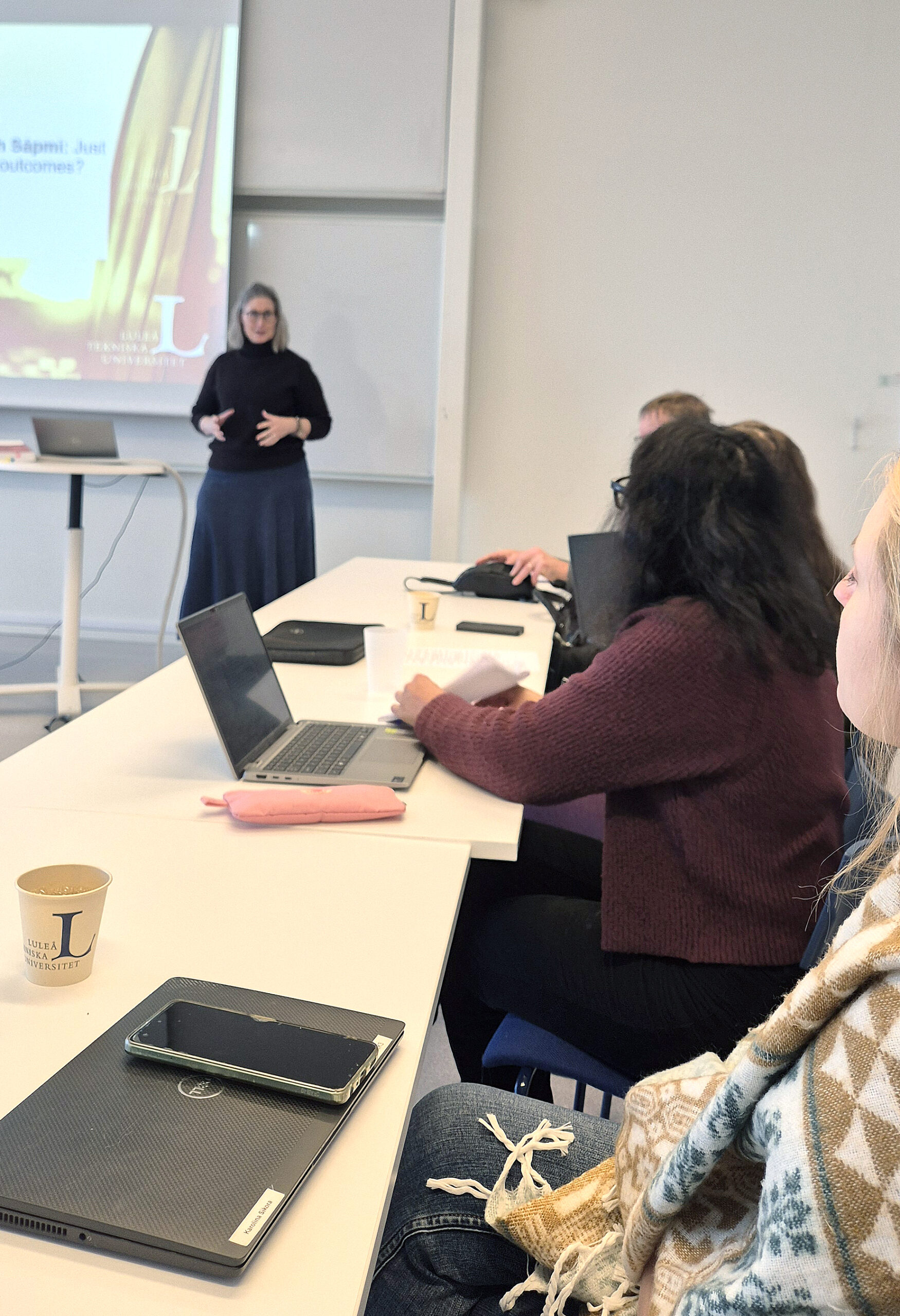
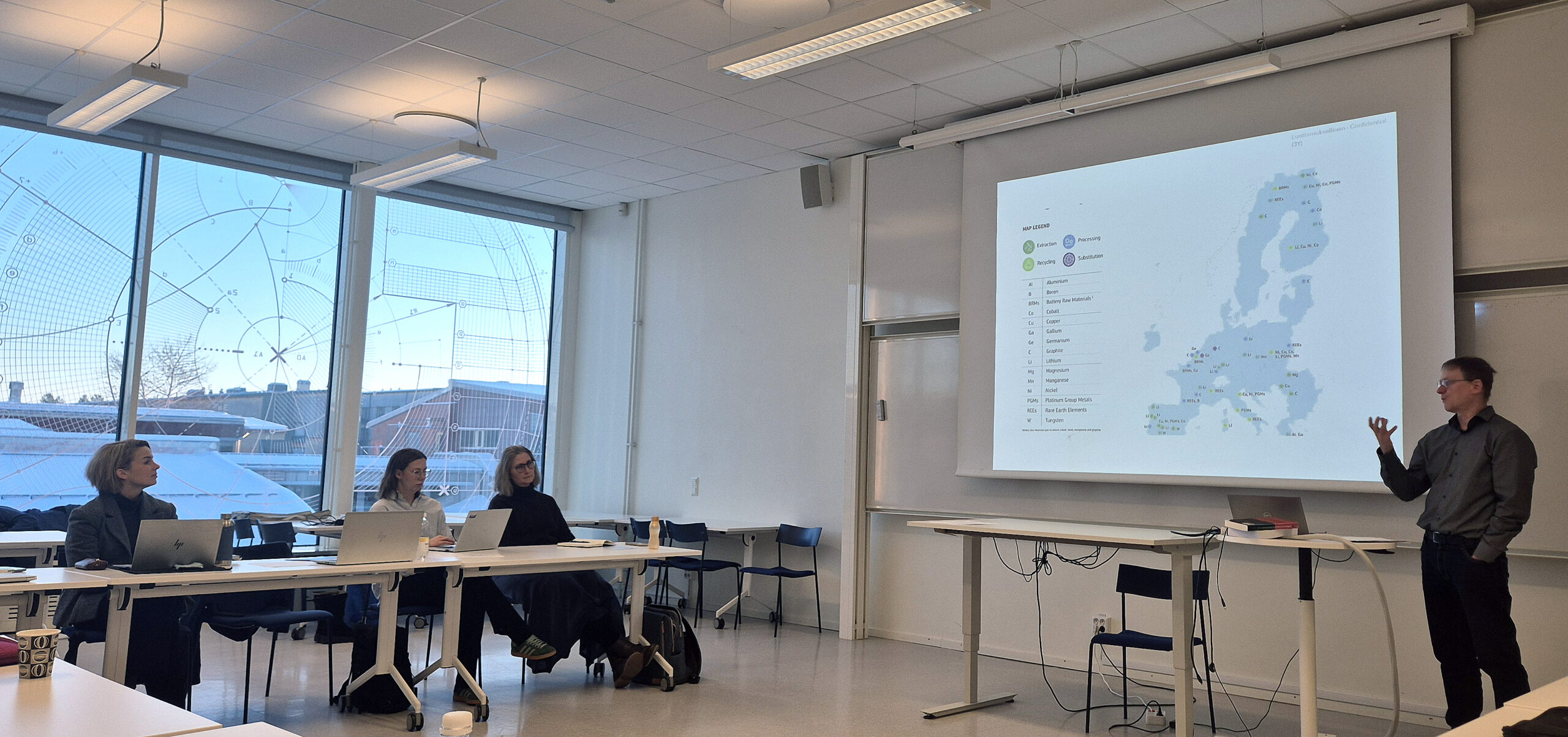
Land use, indigenous rights, and the application of national and international law were key issues discussed at a Nordic seminar at Luleå University of Technology.
The Nordic Network of Researchers in Sami and Indigenous Peoples Law (NORSIL) has now launched its first activity within the newly funded project period 2025–2027.
From 19–20 November 2025, the network gathered at Luleå University of Technology, Sweden, for a two-day seminar focusing on the theme “Transnational Comparison and Learning – Current Cases, Legal Reforms, Strategies/Policies, and Research Findings”.
During the seminar, participants explored key issues related to land use, indigenous rights, and the application of national and international law across Norway, Sweden, and Finland. The event marked the starting point for renewed collaboration, knowledge exchange, and comparative legal perspectives within the Nordic region.
The continuation of NORSIL for 2025–2027 is funded by the Nordic Joint Committee for Agriculture and Food Research (NKJ) through the Nordic Reindeer Committee, enabling strengthened cooperation among researchers to benefit reindeer husbandry in the Nordic region.
A representative from our Secretariat participated in the seminar, contributing to discussions and engaging with the network’s ongoing and future work.
How can bioenergy contribute to a more sustainable and secure energy future in the Nordic region? This question brought together experts, researchers, and stakeholders in Copenhagen for a workshop organised by Nordic Energy Research.
Bioenergy plays a key role in ensuring Nordic energy security and in driving the green transition. Within the Bioenergy Value Chain Programme, researchers and practitioners are exploring solutions where waste products from various biomass value chains can strengthen the reliability and availability of green energy. Transparency in areas such as the origin of CO₂ sources and responsible land use is also crucial to build public trust in bioenergy solutions.
The Nordic countries have much to gain from collaboration. Their strengths complement each other — in biomass resources, energy efficiency, circular use of materials, and industrial know-how. By joining forces, the region can develop stronger, more sustainable energy systems.
The workshop addressed both the opportunities and challenges of turning biomass into energy, with perspectives ranging from farming, forestry, and biodiversity to biogas production, biofuel refining, and carbon capture. Participants also had the opportunity to network and discuss future collaboration and funding possibilities.
The event was moderated by Lise-Lotte Terp, an expert on the Nordic and Arctic regions who specialises in facilitating cross-sectoral dialogue and collaboration.
The 4th Nordic Field Trials Network Conference is planned for January 21-23, 2026, and you can already secure your spot or propose a presentation for the program.
Place: Skejby, Denmark Time: January 21–23, 2026
The program isn’t set yet, and the registration just opened. But the organisers are very positive to another successful event. This will be the fourth field trial conference, and the three first ones have all been really appreciated. The conference is the region’s largest meeting place for field trial professionals and enthusiasts.
The program will start off with a field trip to visit inspiring partners and actors within field trials in Denmark. The two following days will be stuffed with short talks and interactive workshops, focused on all aspects of field trials. There will of course be room for networking among colleagues!
NKJ has an open call for networks in agriculture and food. We want as many nordic researchers as possible to exchange knowledge, therefore we arrange a matchmaking event for you to find new colleagues, to elaborate your scientific project further and to get inspired.
When: December 16 2025, 13.30–16.00 CET Where: Online via Zoom, link will be sent out in advance of the meeting Registration:Application form (Deadline: Dec 11th)
Welcome to join our online matchmaking event, to find out more about how to apply for funds from Nordic Agri Research (NKJ), hear from an ongoing network how they use their collaboration platform, and connect with other researchers who are looking for collaboration opportunities!
You will be inspired by an ongoing research network who will talk about what type of activities they have done, what they have achieved so far and how they have benefitted from collaborating in the Nordic region. NKJ will also inform you about the current open callthat can fund your future networking activities.
AGENDA 13.30 Welcome and presentations 13.50 How to apply for funds from NKJ – tips and tricks 14.10 Inspiration talk from an ongoing Nordic research network Nicolai Fog Hansen, Nordic Field Trial Network 14.30 Networking workshop with Malin von Essen 16.00 Finish
CONTACT
If you have any questions, send an email to
Calling all researcher networks in food and agriculture!
NKJ welcomes applications for funding to boost Nordic collaboration and spark new ideas across disciplines. The call aims to strengthen Nordic cooperation and inspire new, cross-disciplinary collaborations.
Deadline for application: 31 January, 2026 Apply by filling in the application form and sending it to
The aim of the call is to promote Nordic collaboration between researchers from agricultural and food sectors by networking activities including workshops, conferences and seminars. Transdisciplinary networks between researchers and stakeholders are encouraged.
This open call welcomes applicants from all fields of research within food and agriculture!
NKJ will host an onlinematchmaking event on December 16 2025 (information and registration here), where you will be able to connect with other researchers who are looking for collaboration opportunities. This event will also include information on the open call and an opportunity to ask questions.
To have the chance to be granted, the network should include applicants from at least three Nordic countries. Each binary gender must be represented by a minimum of 40% of the participants in the network, and NKJ welcomes applicants and participants of other genders. Young researchers should be included in the network.
Network outputs should be useful for the Nordic community and should include knowledge exchange across national borders through e.g. arranging workshops, seminars/webinars, scientific meetings or open conferences. The funding can be used to bring additional value to ongoing research projects through mentioned activities.
Successful applicants may receive funds from NKJ of up to 300.000 SEK for two years of network activities from April 2026 to March 2028, covering at most 50% of the total budget for the network. The total budget for the call is 2.500.000 SEK.
This call is open for applicants from all fields of research within food and agriculture!
The researcher network TerraNordica emphasises the urgency and opportunity for advancing soil health and agroecology in the Nordic region. It highlights the essential ecosystem services provided by healthy soils, the risks of continued degradation, and regionally adapted actions to support sustainable food systems.
The network has arranged a seminar, which gathered experts, researchers and stakeholders. They emphasized the need for regionally adapted frameworks that include policies and incentives, collaborative monitoring frameworks, and stakeholder engagement to support sustainable soil management.
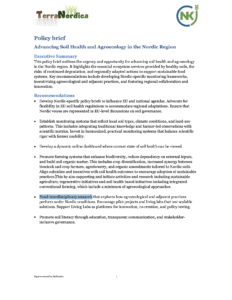
“By embracing a regionally adapted agroecological approach, Nordic countries can lead the way in building resilient, climate-smart food systems rooted in healthy soils”, the network says in a policy brief, which provides a range of advice that can lead to better soil.
The advices also includes to develop a dynamic online dashboard where current state of soil health can be viewed, establish monitoring systems that reflect local soil types, and to fund interdisciplinary research – among more.
– Based on the discussions during within the TerraNordica network and the seminar we have identified knowledge gaps and future challenges, as well as policy constraints and opportunities for Scandinavian countries. This information is used for composing the policy brief on agroecology and soil health opportunities and challenges for Scandinavian conditions. The members of the network are enthusiastic about the established contacts, and we will continue this cooperation in coming related events, says Jannes Stolte, coordinator of the NKJ co-funded researcher network TerraNordica.