Nordic Workshop Explores the Role of Bioenergy in the Green Transition

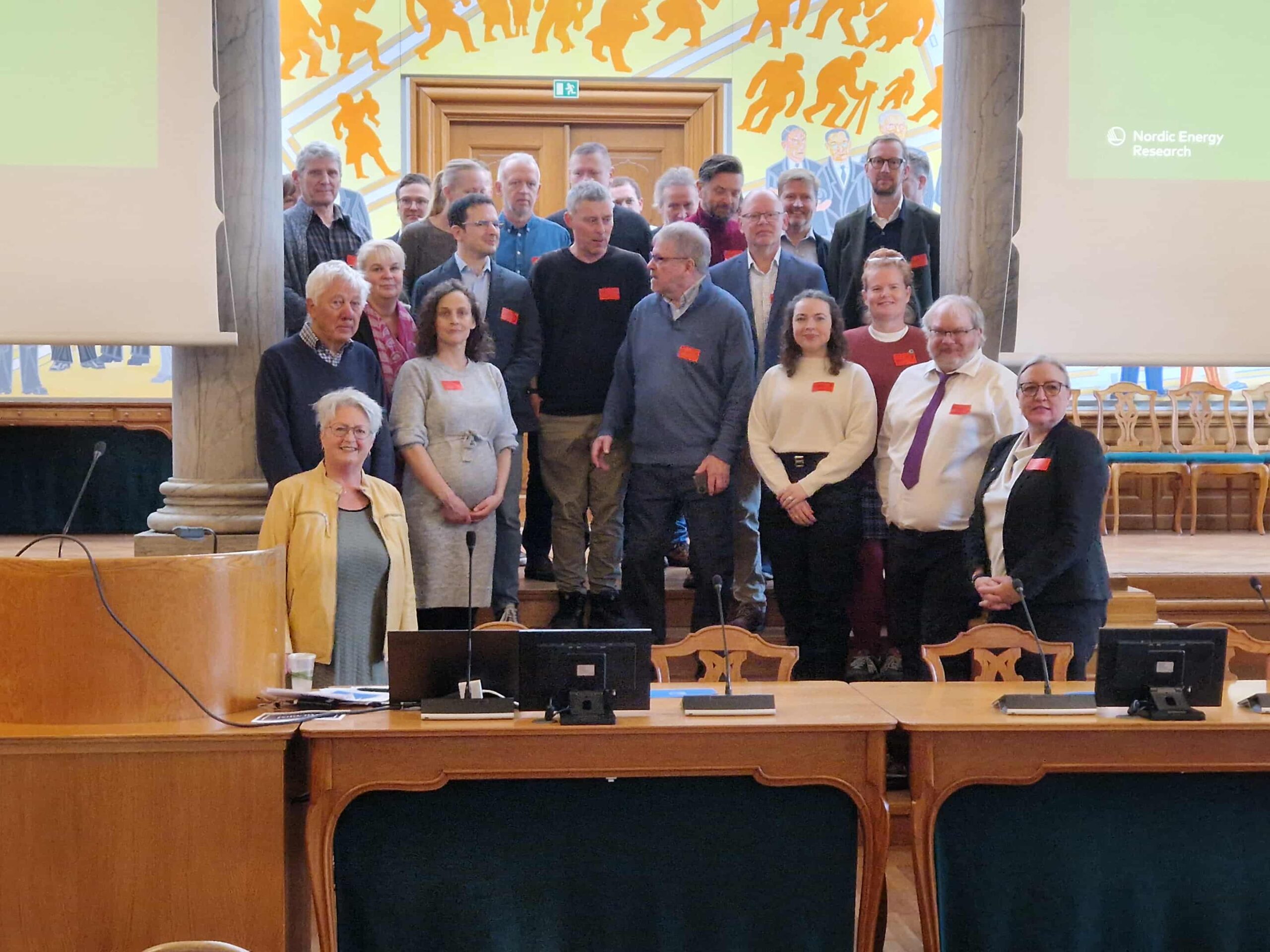
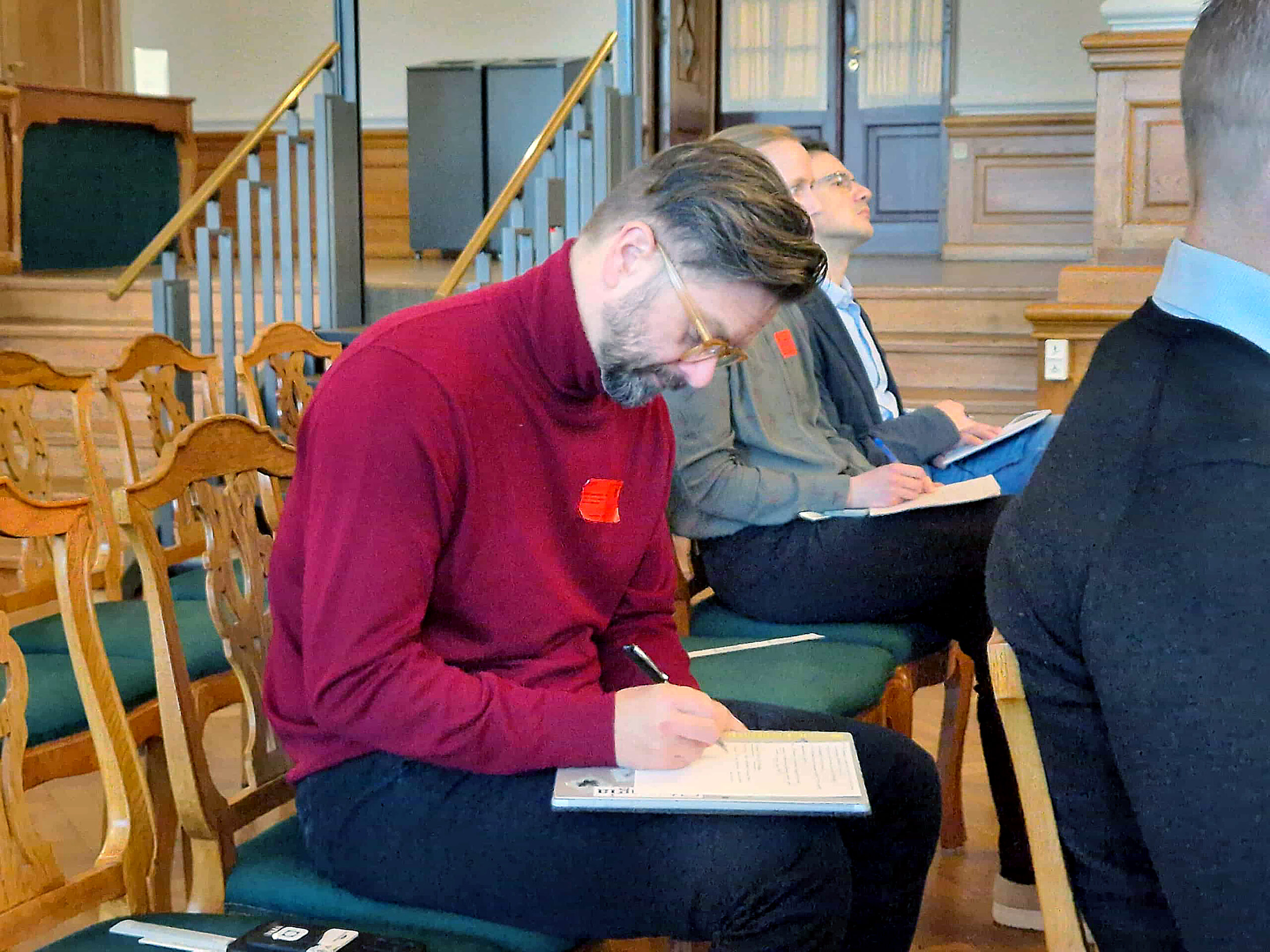
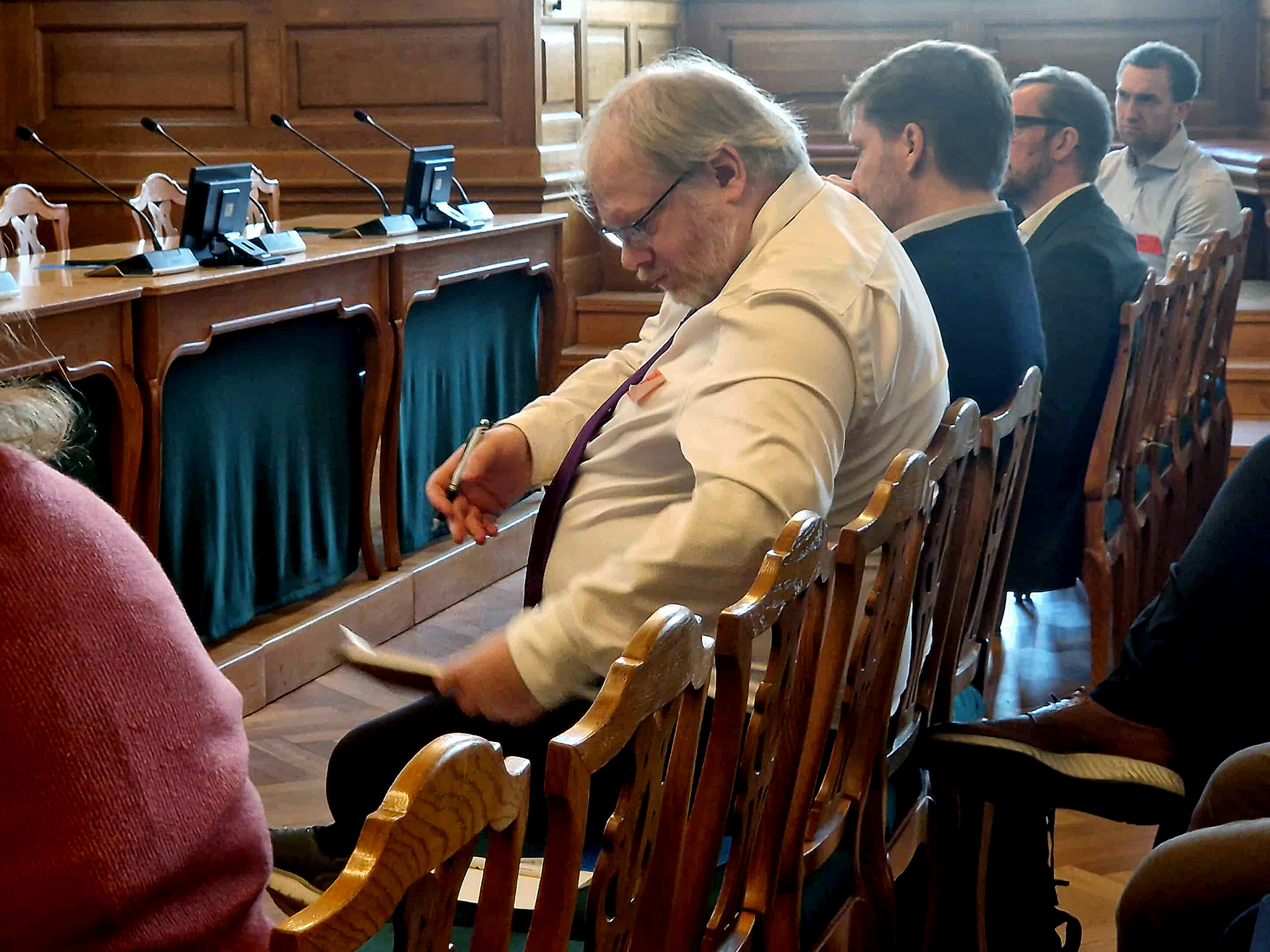
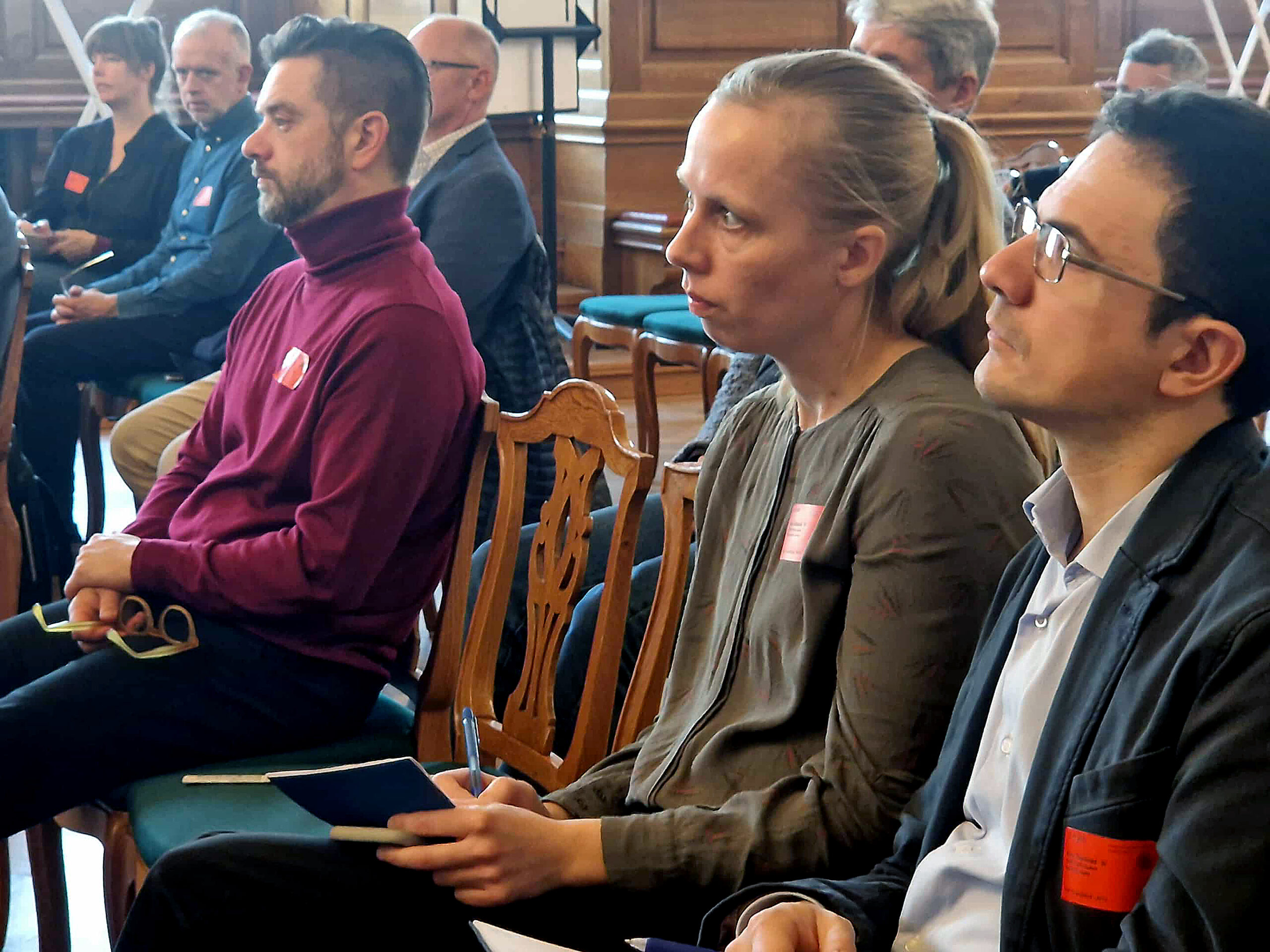
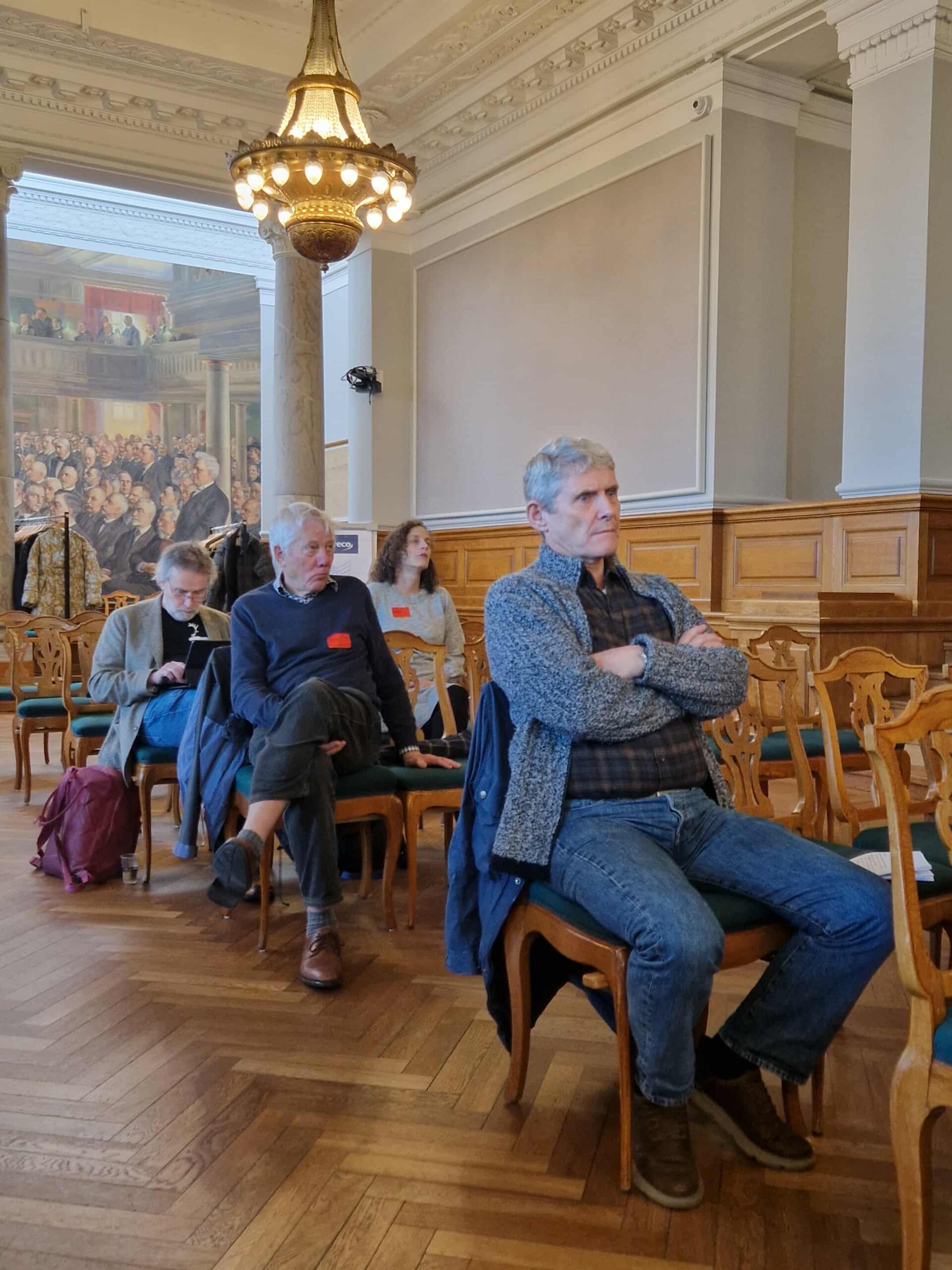
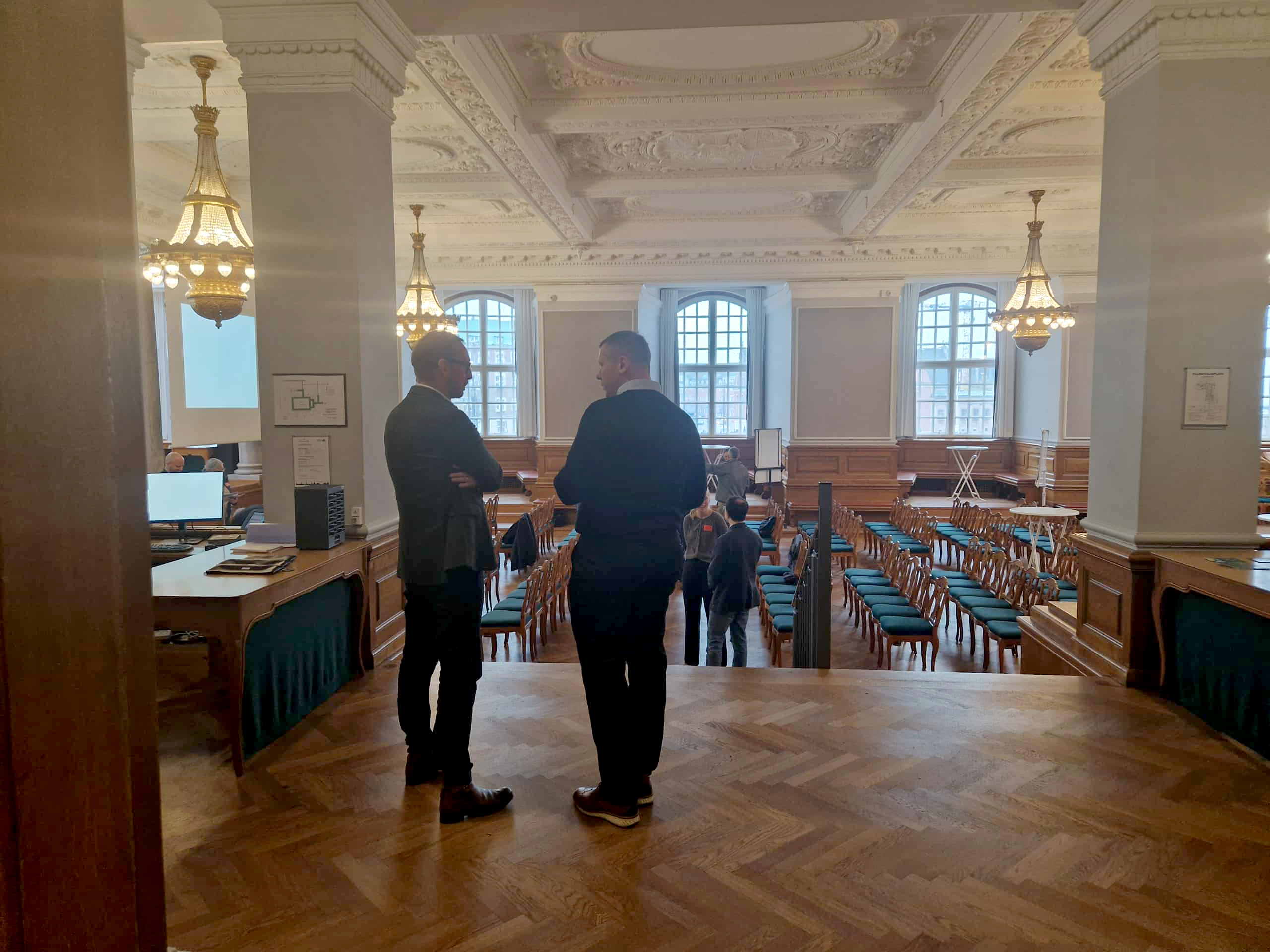
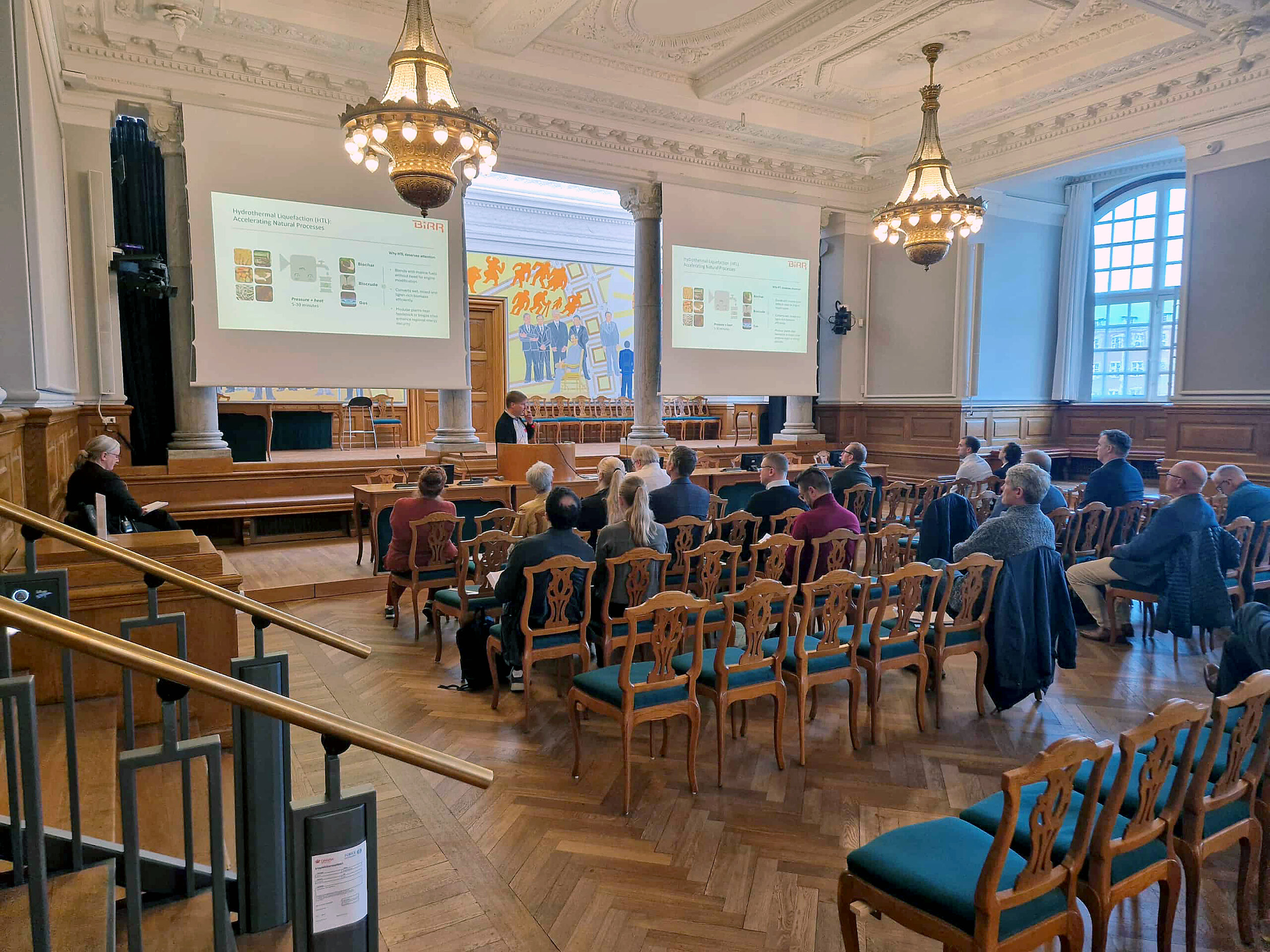
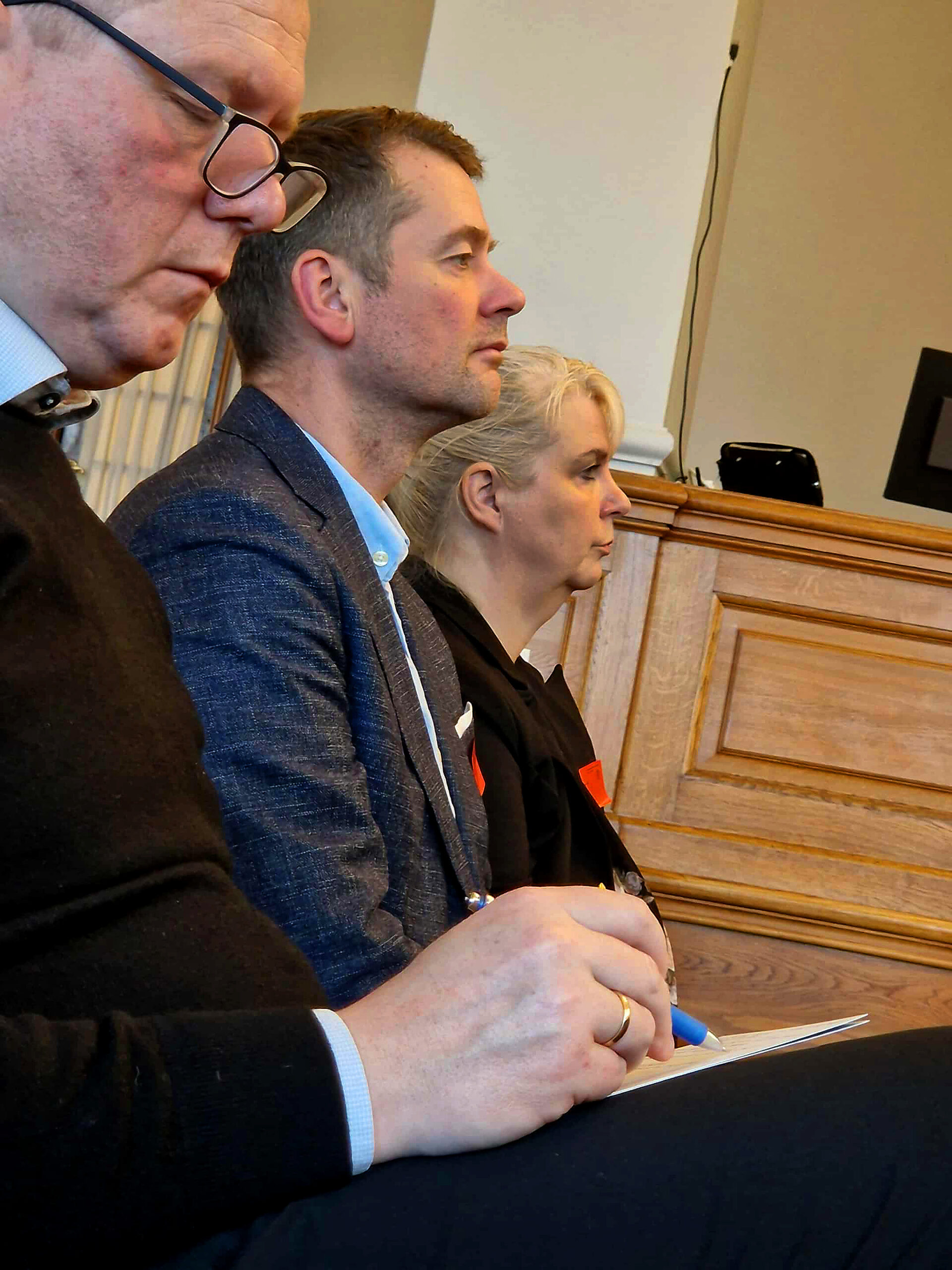
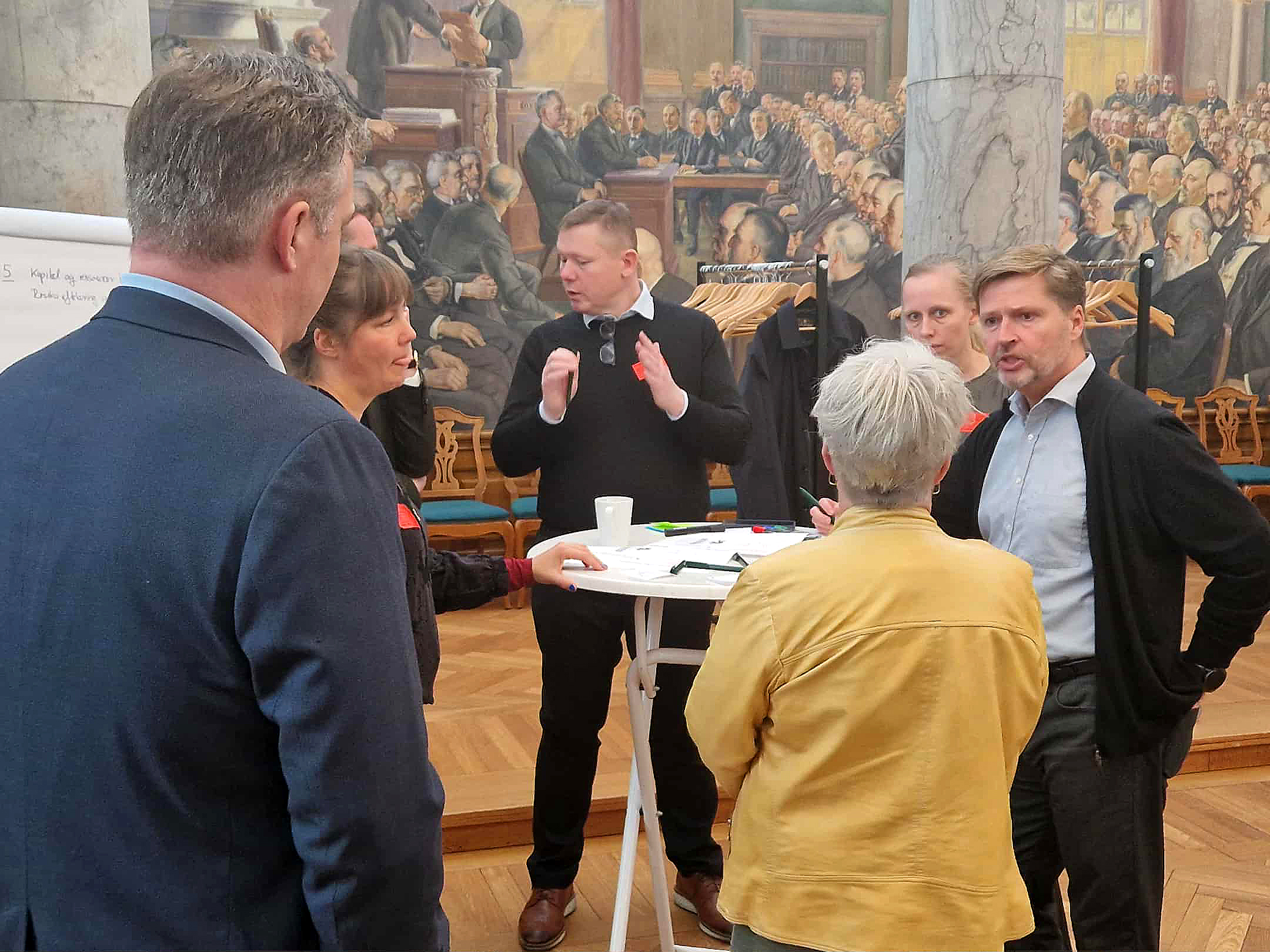
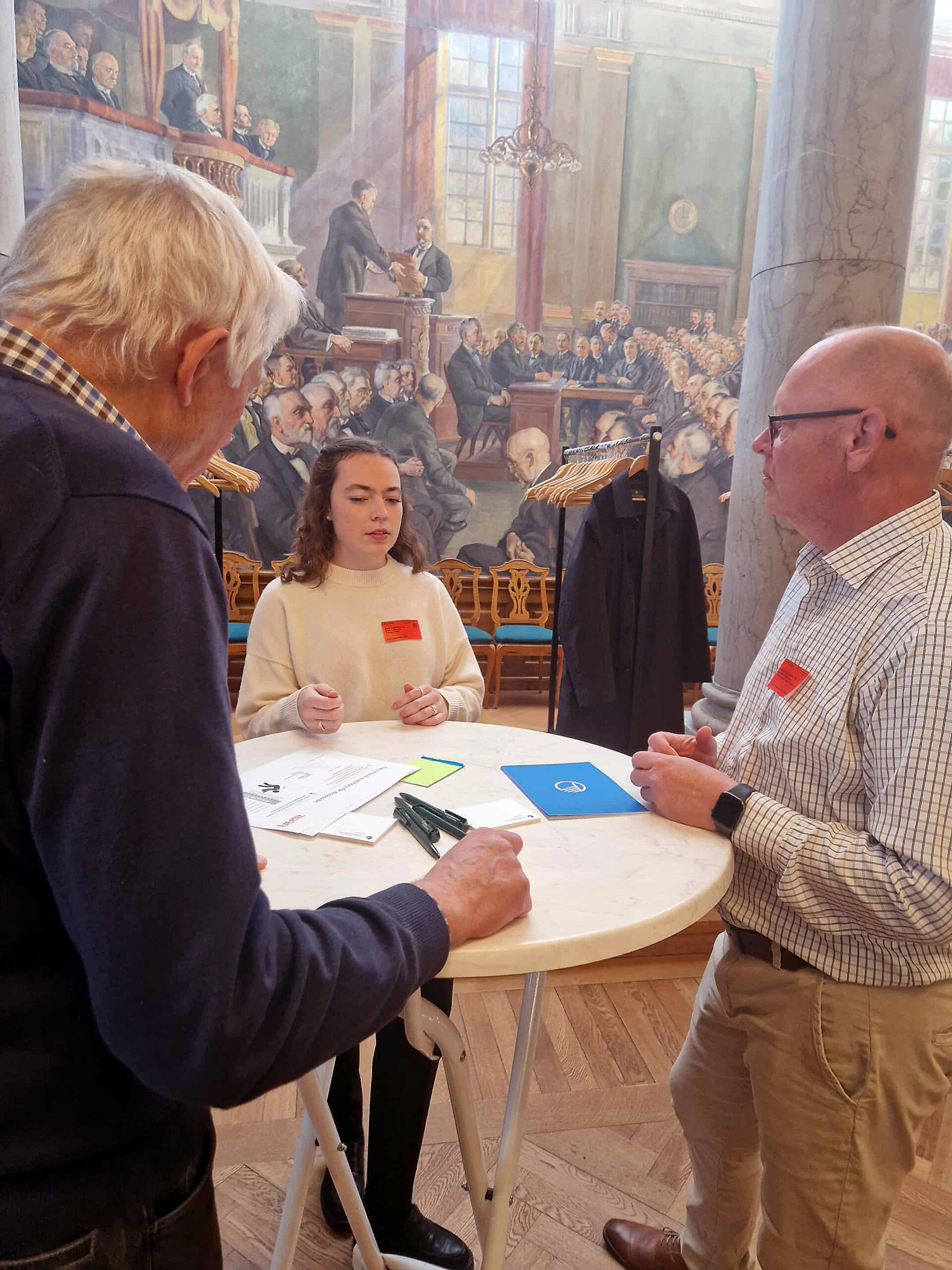
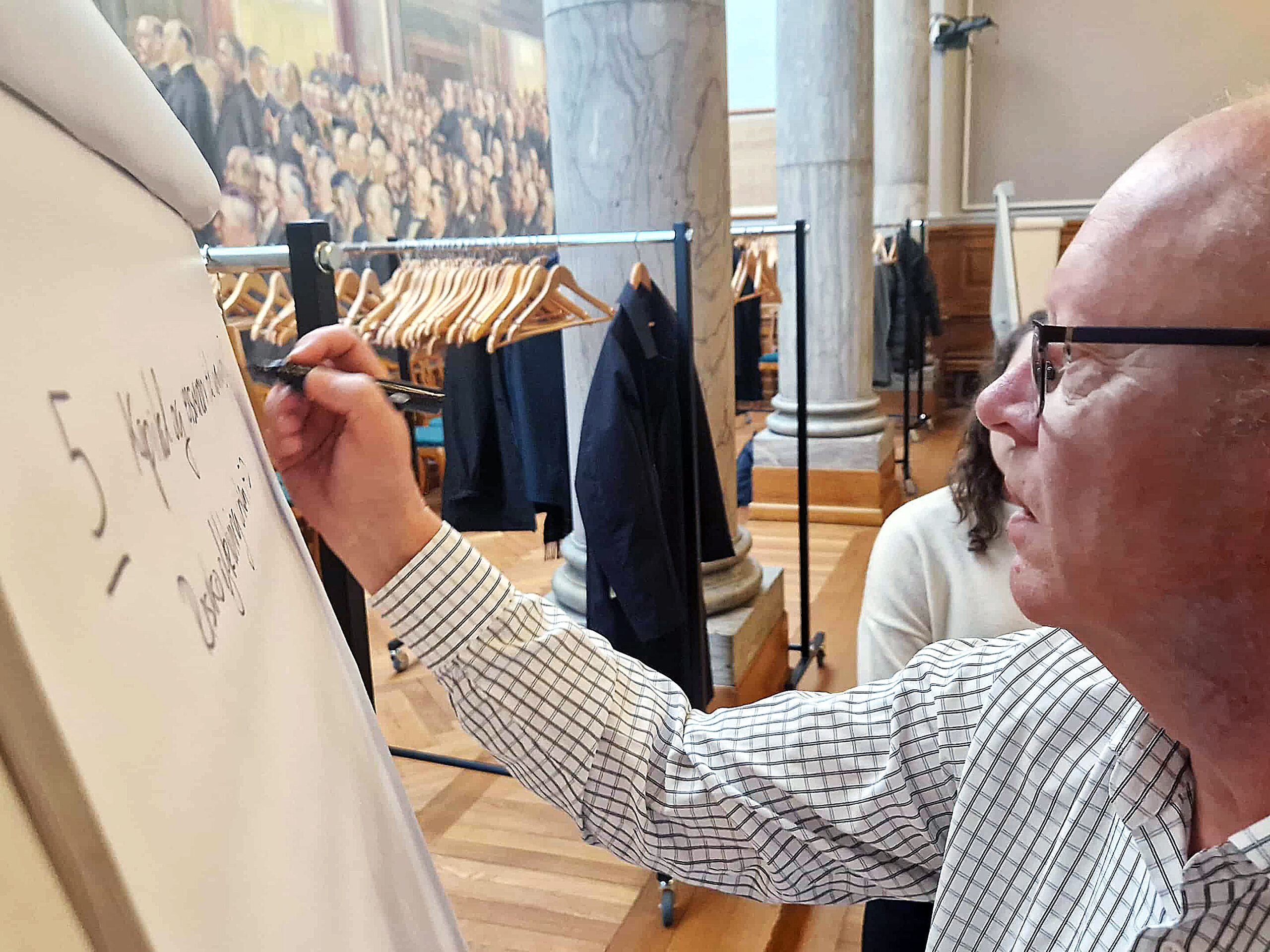
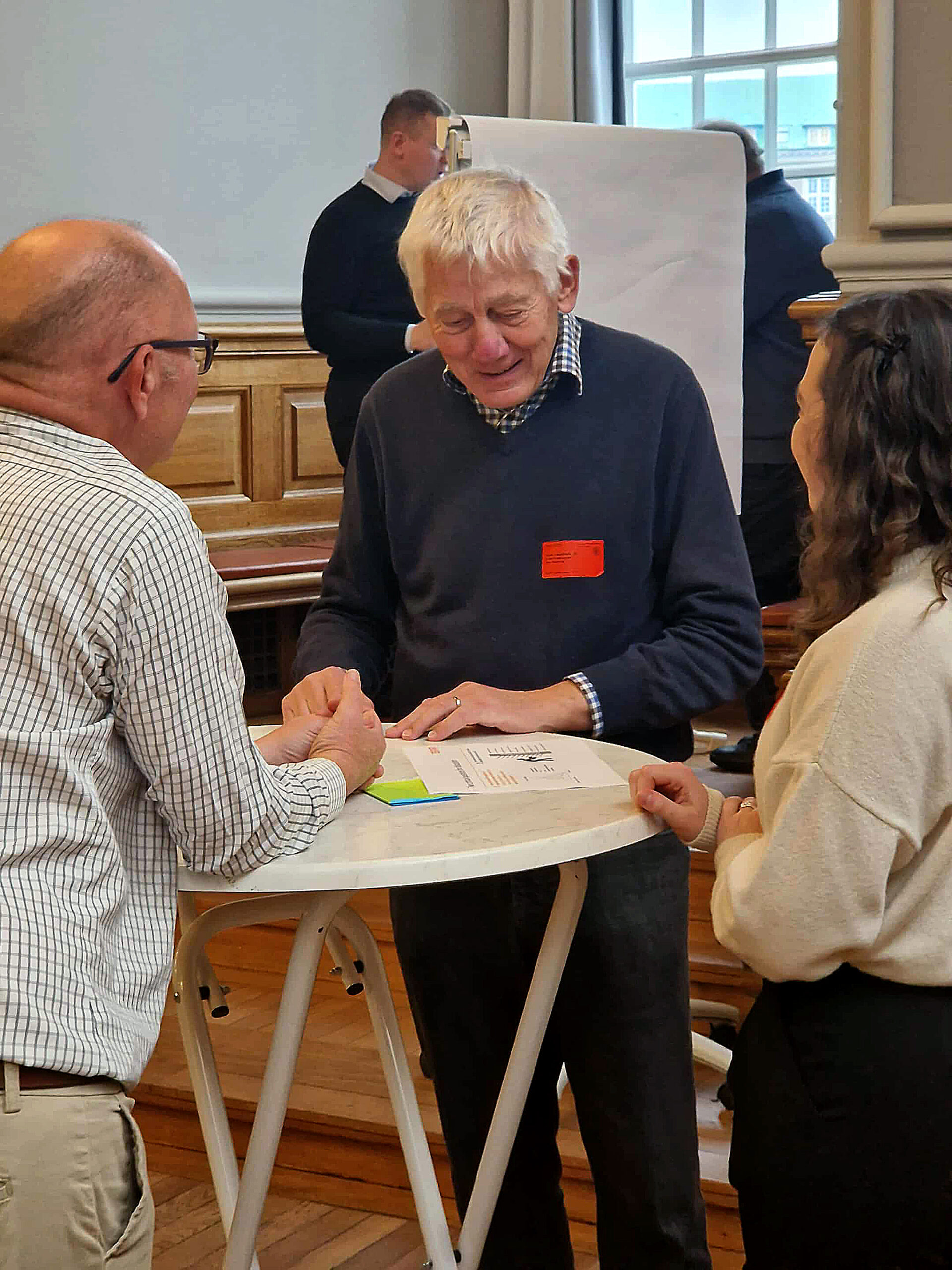
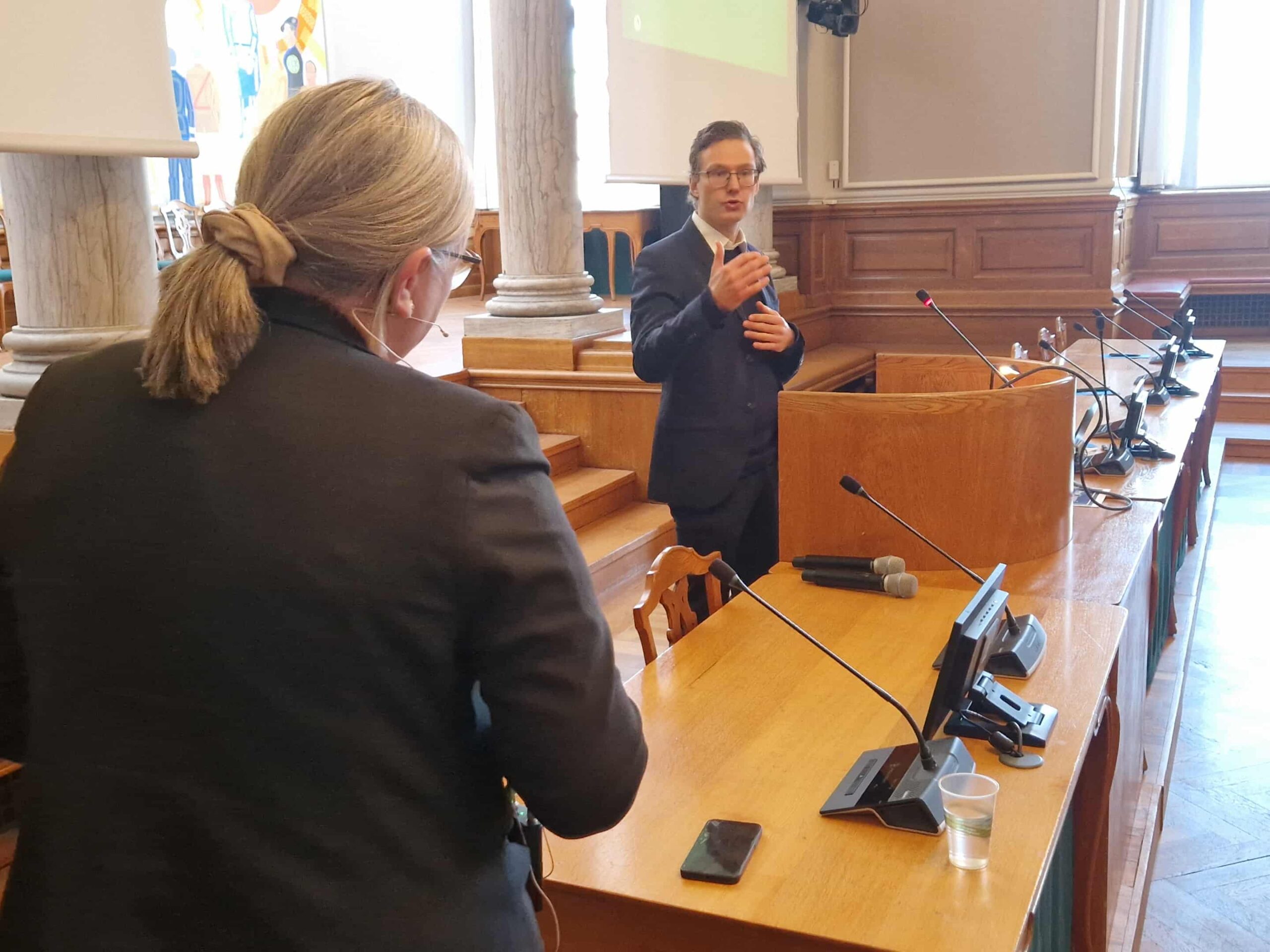
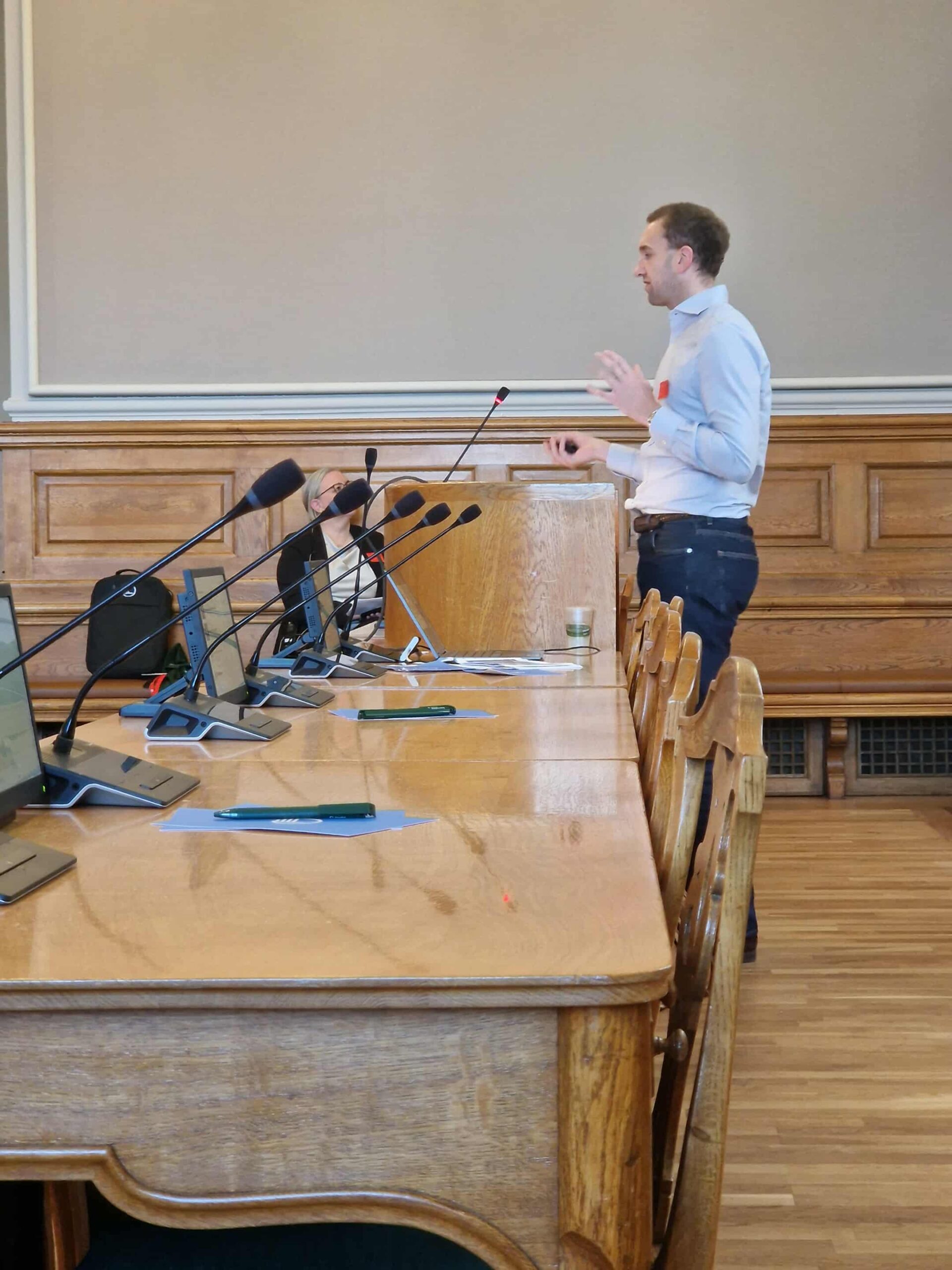
How can bioenergy contribute to a more sustainable and secure energy future in the Nordic region? This question brought together experts, researchers, and stakeholders in Copenhagen for a workshop organised by Nordic Energy Research.

Bioenergy plays a key role in ensuring Nordic energy security and in driving the green transition. Within the Bioenergy Value Chain Programme, researchers and practitioners are exploring solutions where waste products from various biomass value chains can strengthen the reliability and availability of green energy. Transparency in areas such as the origin of CO₂ sources and responsible land use is also crucial to build public trust in bioenergy solutions.

The Nordic countries have much to gain from collaboration. Their strengths complement each other — in biomass resources, energy efficiency, circular use of materials, and industrial know-how. By joining forces, the region can develop stronger, more sustainable energy systems.

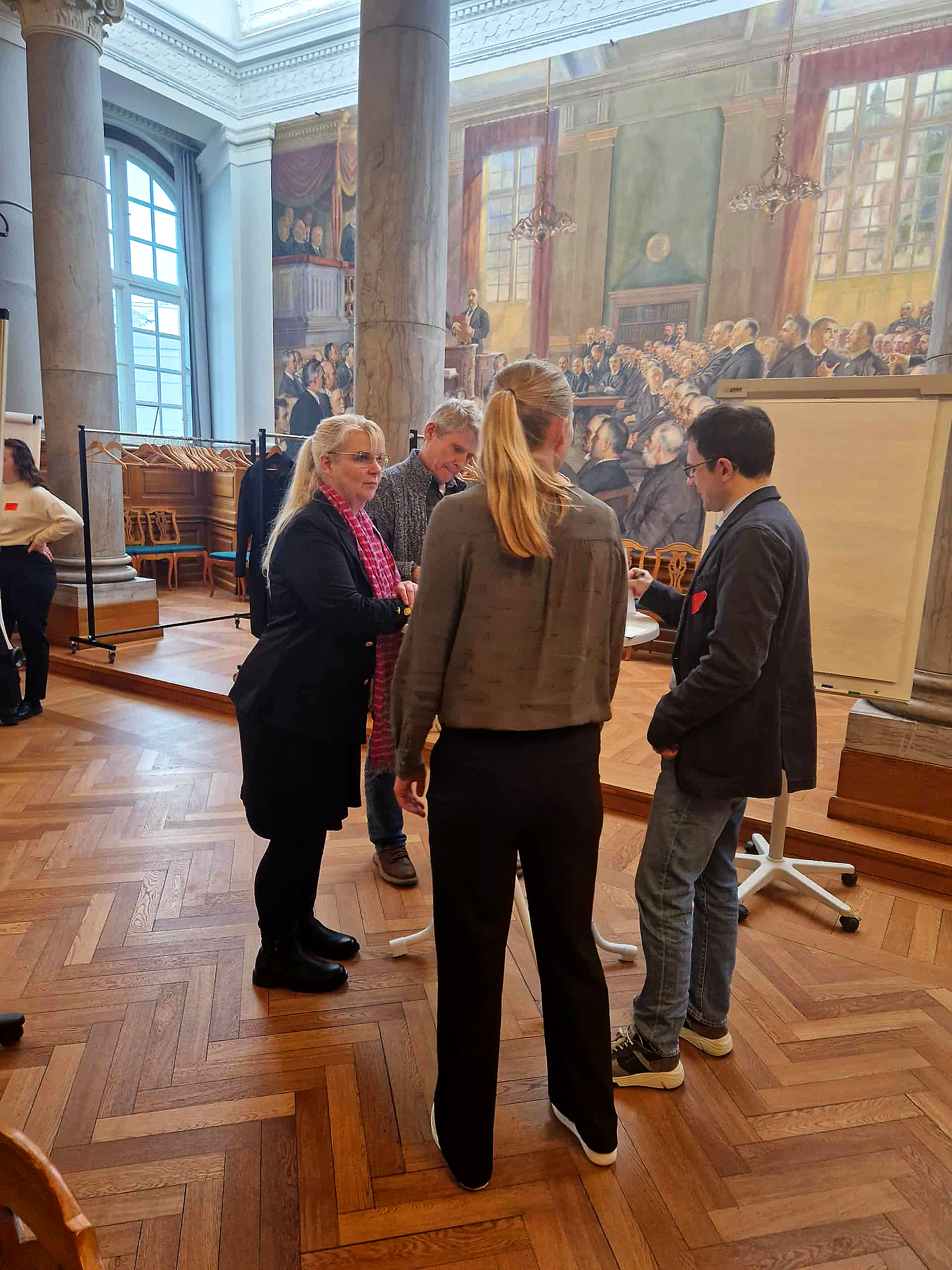
The workshop addressed both the opportunities and challenges of turning biomass into energy, with perspectives ranging from farming, forestry, and biodiversity to biogas production, biofuel refining, and carbon capture. Participants also had the opportunity to network and discuss future collaboration and funding possibilities.

The event was moderated by Lise-Lotte Terp, an expert on the Nordic and Arctic regions who specialises in facilitating cross-sectoral dialogue and collaboration.
Knowledge exchange crucial for addressing bioenergy challenges

Identification of successful integrated local solutions for knowledge sharing is considered important when addressing the major challenges in the bioenergy sector. The Bioeconomy Programme has worked together with stakeholders and researchers to develop policy recommendations.

Download the report


A newly published report builds on the recommendations outlined in the Bioenergy Scoping Paper commissioned by the Nordic Council of Ministers in 2023. The primary objective of the report has been to ensure that the scoping paper policy recommendations can be implemented with lasting impact. Additionally, the report aims at deepening the understanding of the bio­energy value chain context and provide ac­tionable input by identifying relevant challenges and po­tential solutions.

Four seminars were organized, aiming at capturing the main points of view and feedback on the recommendations in the 2023 scoping paper, of four key groups: researchers, bioenergy organisations, practitioners and policymakers. The findings from the 2023 scoping paper were discussed, and the recommendations were further refined and classified in order of priority (see below).

The four policy recommendations address the major challenges facing bioenergy in the Nordic-Baltic region. While they can be implemented individually, they are also designed to complement each other. The seminar participants ranked them in this order:

  1. Identifying successful integrated local solutions for knowledge sharing – Recognizing and disseminating effective local bioenergy initiatives to support broader adoption.
  2. Creating a Nordic-Baltic cooperation platform on bioenergy – Establishing a collaborative framework to promote cross-border partnerships and knowledge exchange.
  3. Mapping existing regional networks and initiatives – Identifying current bioenergy networks to leverage synergies and avoid redundant efforts.
  4. Organizing Nordic-Baltic hackathons – Hosting innovation-driven events to tackle specific bioenergy challenges and inspire creative solutions.

Do you want to learn more about how these recommendations can be put into practice? Download the full report – it’s free of charge! You’ll find concrete proposals on how to implement these ideas and reach the intended goals, as well as insights into the methods used to develop the recommendations.

Hackathons can help fill the future need for bioenergy

The Nordic-Baltic region faces urgent challenges in reducing CO2 emissions, requiring a joint effort towards sustainable energy solutions. Leveraging bioenergy solutions emerges as a key strategy to meet emission goals. It offers the potential to diminish reliance on fossil fuels across various sectors including heating, electricity generation, and transportation.

Text: From the report “Bioenergy – Knowledge transfer in the Nordic-Baltic region for increased uptake of sustainable bioenergy”


Find the report


Commissioned by the Nordic Council of Ministers and supported through the Bioeconomy programme, this scoping paper delves into the intricate landscape of bioenergy innovations within the region. Employing a mixed-method approach combining desktop research and interviews, the study identifies opportunities for further knowledge transfer activities in the Nordic-Baltic region.

A technology neutral approach is vital for knowledge exchange activities as highlighted by experts included in the study. The interviews moreover led to the following observations:

Current biomass challenges are directly linked to geopolitical conflicts

Bioenergy has to rely on by-products, low value biomass and waste

Bioenergy innovations are required to be flexible

Regional areas of excellence provide opportunity for knowledge sharing

Nordic-Baltic strongholds lie in integrated systems of bioenergy solutions

Nordic-Baltic experts would benefit from a cooperation platform and regional funding

Universities are a useful meeting place for experts to build solutions for local contexts

The Nordic-Baltic region gathers a wealth of expertise and industry interest in biomass use for energy production. Additionally, the region showcases various integrated system solutions for bioenergy—knowledge that could be applicable to other areas lacking such comprehensive approaches. This context provides a fertile foundation for fostering regional knowledge exchange and facilitating the adoption of innovative practices. Yet, amidst geopolitical uncertainties and fluctuating markets, the need for adaptability and flexibility in bioenergy strategies becomes apparent.

In response to these findings, a series of recommendations are proposed for further knowledge sharing activities:

Facilitating industry and academy interactions via a Nordic-Baltic cooperation platform

Supporting existing networks active in the region

Creating a Nordic- Baltic call to promote regional cooperation

Identifying successful integrated local solutions for knowledge sharing

Involving tomorrow’s talents: organisation of Nordic-Baltic hackathons