
Collaborations and shared insights across the Nordic countries are advancing understanding of how cover crops can improve soil health, reduce environmental impacts, and support climate change mitigation.
Cover crops are widely used to reduce soil erosion and nitrate leaching, thereby improving water quality. Research has also shown that they can increase soil organic carbon stocks, enhance soil health, and contribute to net CO₂ sequestration in soils, supporting climate change mitigation efforts.
The Nordic research network CoverCropsNordic was established to strengthen synergies in research on cover cropping strategies for a more sustainable agriculture and food sector in the Nordic region. By bringing together expertise from multiple countries, the network has improved the shared understanding of both trade-offs and synergies linked to the many impacts of cover crops, while also laying the groundwork for future joint activities and research projects.
Recent research initiatives in Denmark, Norway, and Sweden – including CatCap in Denmark, CAPTURE and CropDrive in Norway, and several long- and short-term experiments in Sweden – have provided valuable insights into similarities and differences in cover crop performance across Nordic climate zones, soils, and cropping systems. These comparisons have enabled discussions on key trade-offs and synergies, such as crop yield levels and stability, nutrient replacement and legacy effects, nutrient leaching, erosion control, and climate impacts.
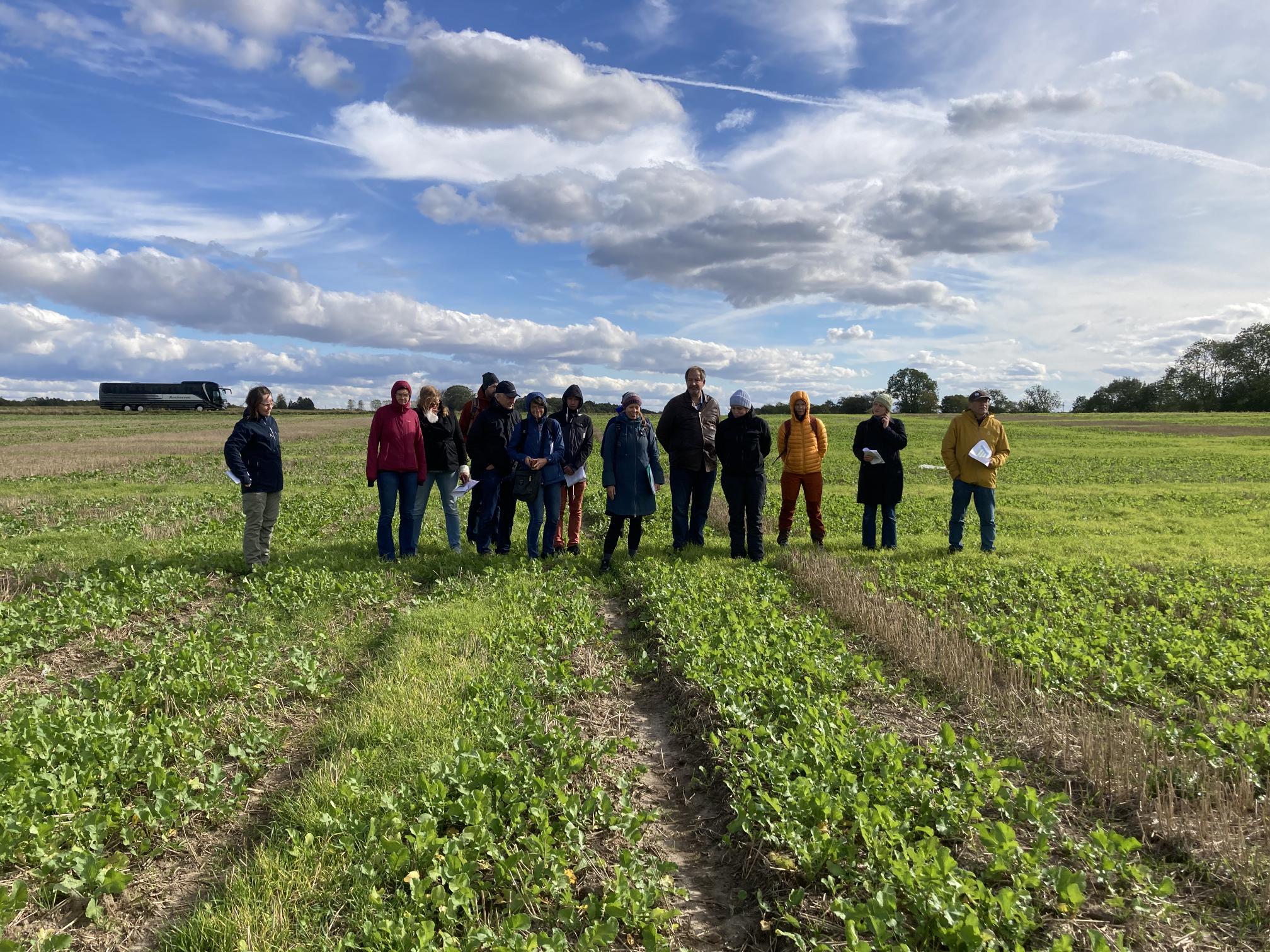
To share knowledge and identify remaining challenges, the network organised a series of digital webinars that brought together researchers and stakeholders from across the Nordic region. A physical meeting in Copenhagen further highlighted the importance of combining new scientific knowledge with practical experience to maximise the positive effects of cover cropping.
The network also organised a PhD course at SLU, bringing together 20 doctoral students and demonstrating strong interest in advancing research-based solutions for climate change mitigation in Nordic agriculture.
The adoption of cover crops has already resulted in improved soil health, increased biodiversity, and other climate-related benefits. The network’s joint synthesis of knowledge will be published in a review paper on cover crops in the Nordic countries. This publication will provide a solid foundation for recommendations on optimal cover crop strategies, supporting both environmental regulations and farmers’ practices across the Nordic region.