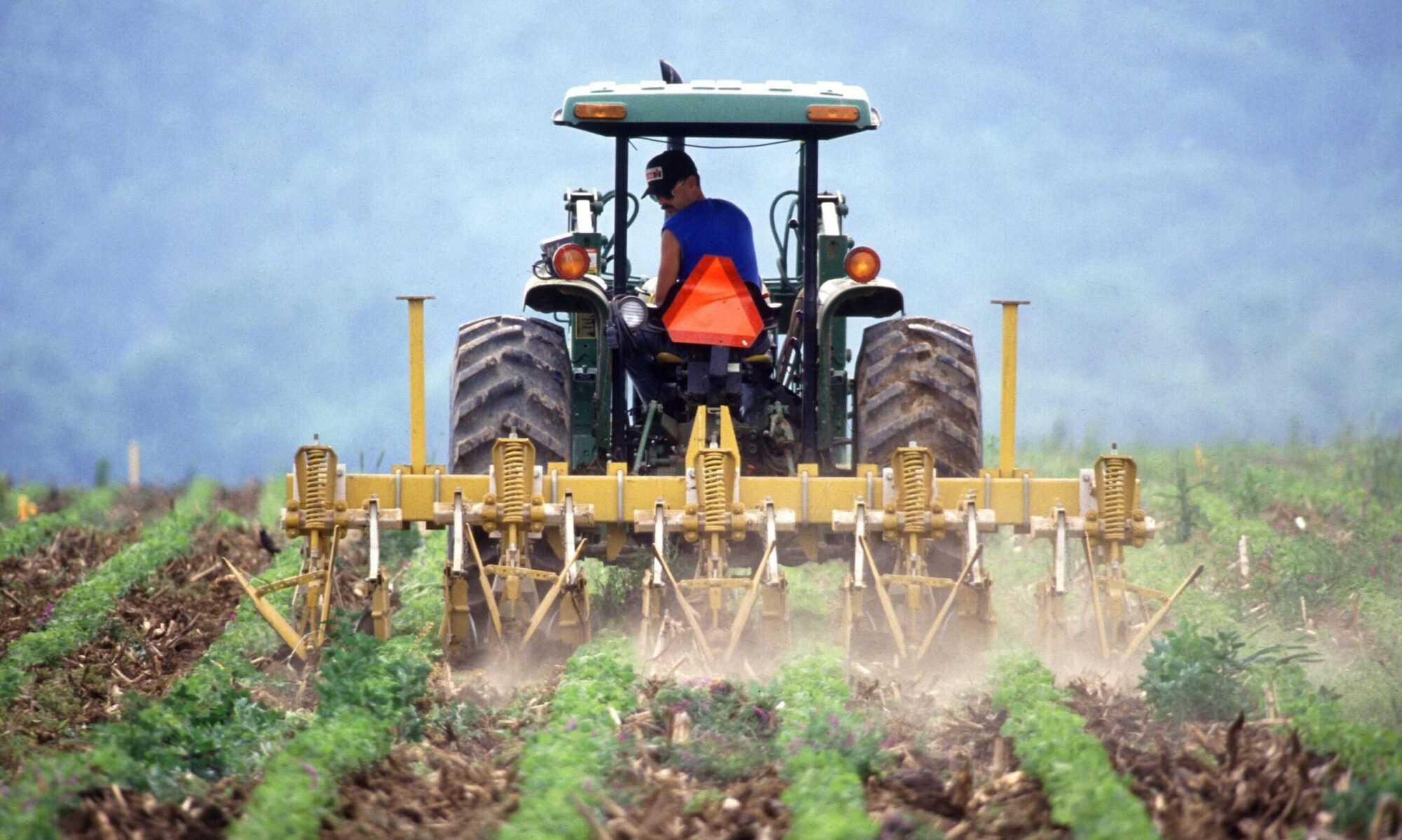

A new Nordic-Baltic sustainable food systems database will support evidence-based policymaking and facilitate cross-country comparisons.
A Nordic-Baltic framework for sustainable food systems has brought together experts from eight Nordic and Baltic countries, and contributed to enhance knowledge sharing on food systems and has developed theoretical foundations for a novel database on Nordic-Baltic sustainable food systems (NB-SFSD).
The database’s aims are to provide a comprehensive and integrated platform for collecting, analyzing, and sharing data related to food system sustainability. By identifying key indicators and standardizing data collection methods, the database can support evidence-based policymaking and facilitate cross-country comparisons.
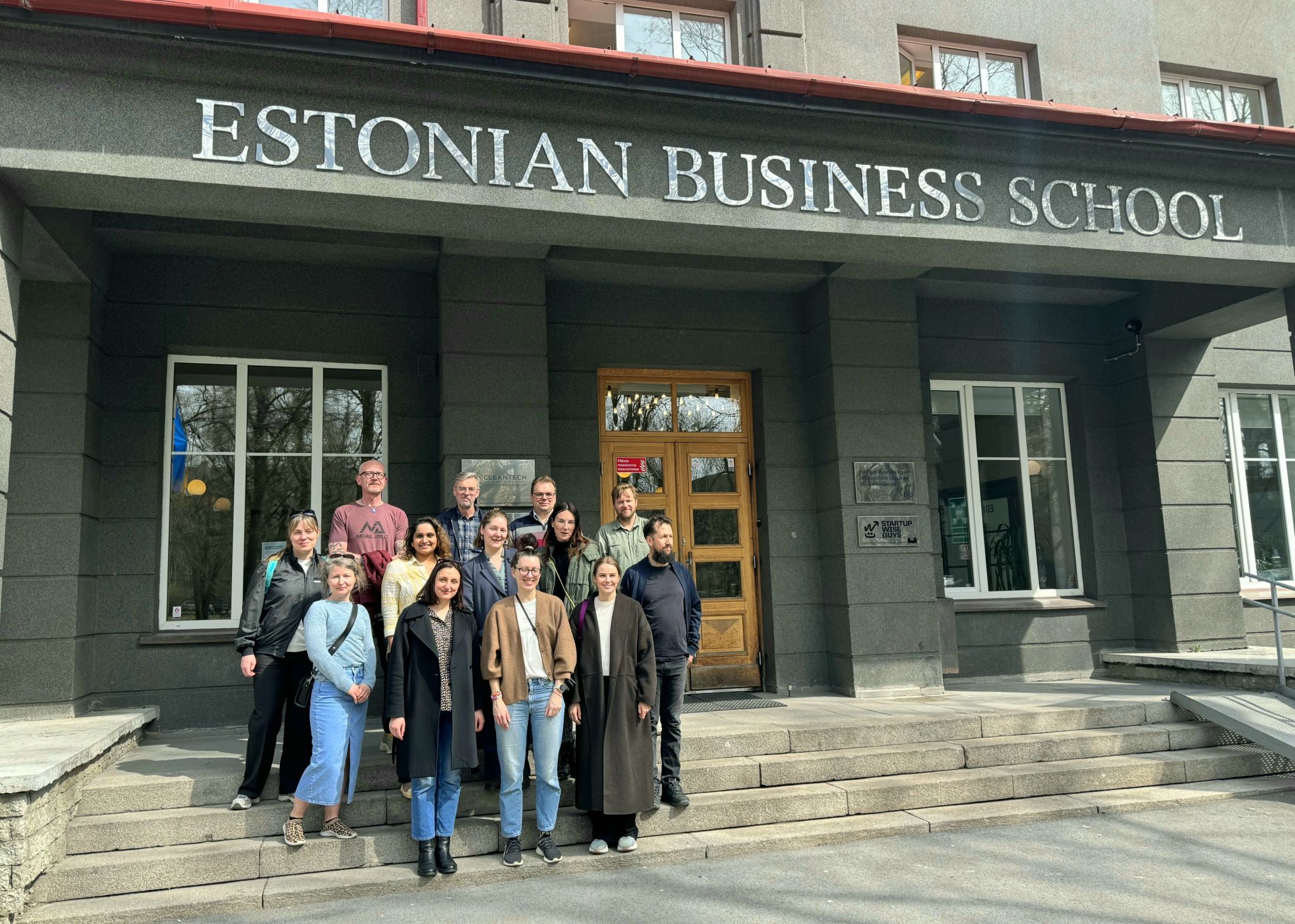
Today’s Nordic-Baltic food systems are widely recognized as unsustainable, both from ecological and socioeconomic perspectives. Despite the region’s reputation for innovation and environmental awareness, multiple structural challenges continue to undermine the resilience and long-term viability of its food systems. These challenges are complex and interconnected. Nordic and Baltic countries are experiencing a paradoxical situation in which food poverty coexists with rising levels of overweight and obesity, where intensive agricultural practices have led to significant biodiversity loss and environmental degradation and where global disruptions can quickly destabilize supply chains.
In response to these multifaceted challenges, there is a clear and urgent need to establish sustainable food systems across the Nordic-Baltic region.
Building on insights gained from previous research initiatives, as for example the NKJ project The role of Nordic research in the transition to sustainable agro-marine food systems, the network has adopted a multidisciplinary approach which recognizes that no single discipline can address the complexity of food systems transformation and that collaboration across fields is essential.
Through a combination of research, collaboration, and communication, the network has laid out the groundwork for meaningful and lasting change.