
Two years of Nordic-Baltic collaboration on sustainable dairy have paid off. The NKJ-funded network ”Sustainable dairy for the future” is officially delivering results while empowering the next generation of talent.
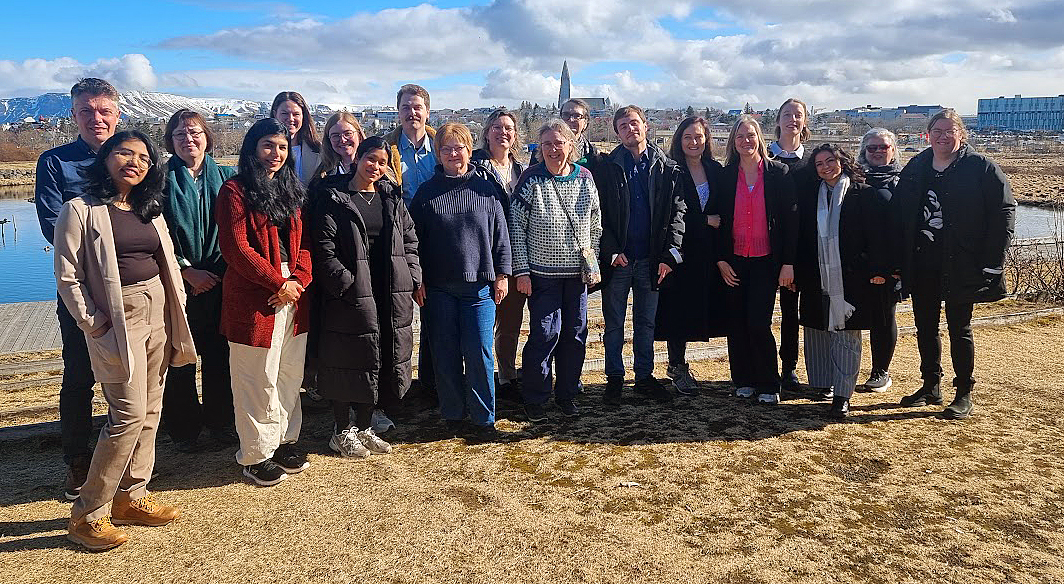
– Through webinars, a PhD course, and student exchanges, we have generated a platform for young scientists to exchange experiences and discuss new avenues for dairy products, and dairy alternatives with key industry stakeholders and start-ups. In addition, we have identified knowledge gaps and solutions needed to facilitate the green transition, says the network coordinator associate professor Nina Aagaard Poulsen at Aarhus University.

The network has also created a forum for knowledge exchange and networking, through a workshop focusing on methodologies, and a seminar focusing on the strong Nordic dairy culture and possible new research directions through cellular agriculture and plant-based dairy alternatives. It also strengthens the participants professional networks both within universities, industries and Nordic research and technology organizations. Furthermore, the Nordic contacts enable exchange of students and co-publications based on the analytical expertise of partner universities.
– I hope this will form a foundation for future collaborative projects and new research possibilities, says Nina Aagaard Poulsen.
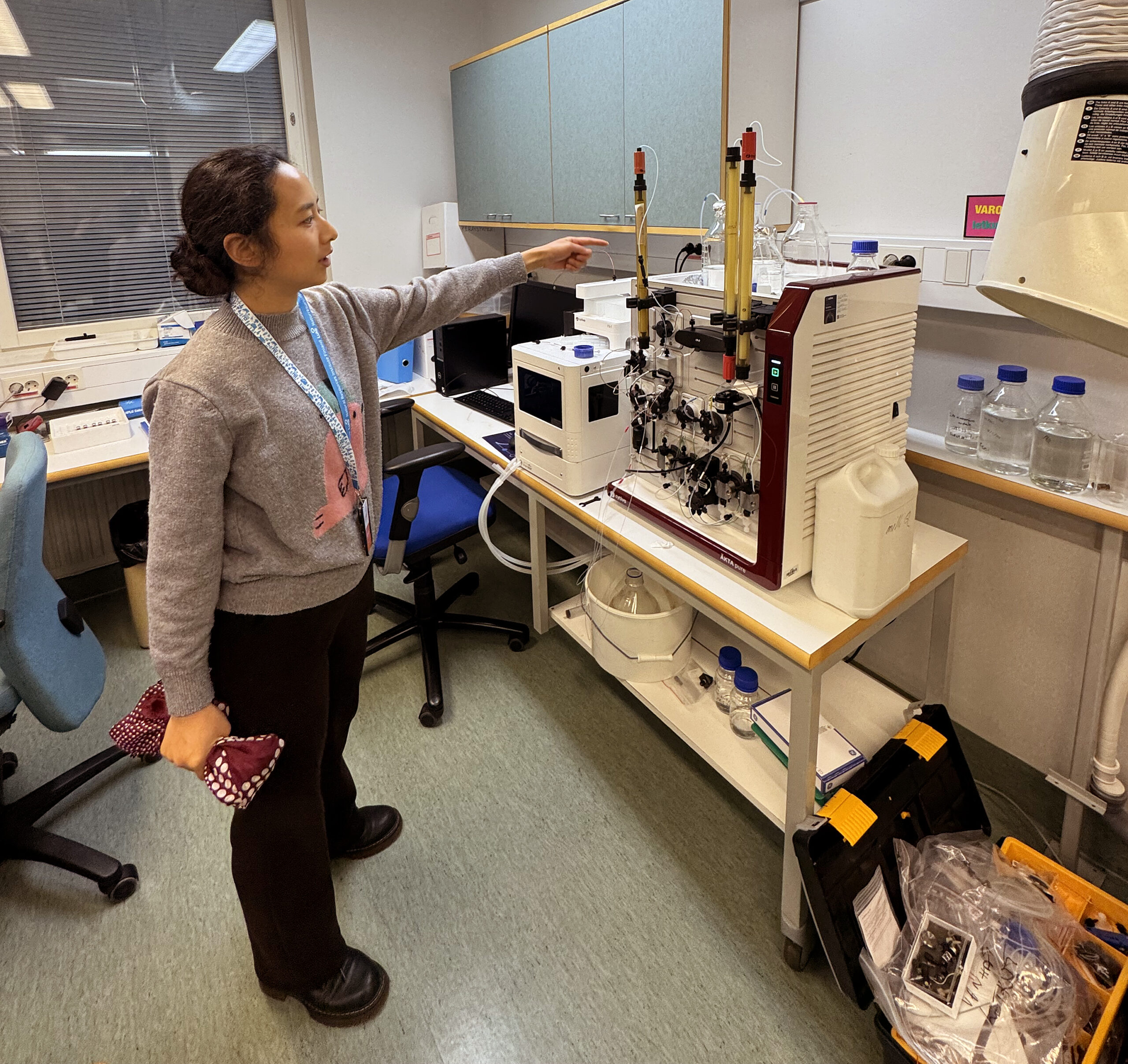
The network not only offers opportunities to learn, identify trends and cooperate on large scale applications. It also functions as an opportunity for the researchers own research to be spread in a broader context.
– The network has provided increased visibility of my research through presentations at network activities and it has developed my leadership and communication skills through organizing events and coordinating activities, says Nina Aagaard Poulsen.
There has been a gender imbalance among the network members due to a high number of participating female researchers. Therefore, invited speakers and industry stakeholders were mainly men.
– To ensure a work-life balance also for younger families all webinars were held within normal working hours: 10 am–2 pm CET, says Nina Aagaard Poulsen.