We need energy, for heating, for transports and for a lot of things in our everyday life. We need a lot of energy, and we need the energy system to be sustainable.
There is a potential for sustainable use of biomass in our Nordic countries. But there are also a lot of different and conflicting goals involved and we need to find ways through that.
The best way is to cooperate – and in the end we can possibly even export our knowledge and technology to the rest of the world.
NKJ has been part in the process to mapping this important matter, and you can read all about it in the report “Sustainable use of biomass for heating and transport fuel”. The work has been supervised by a steering group composed of Nordic Energy Research, Nordic Forest Research (SNS) and Nordic Joint Committee for Agricultural and Food Research (NKJ).
The Nordic genes are secured for the future! One of our networks has been working on updating a platform for hosting the information about the 33 000 seed samples conserved in Alnarp, Sweden.
Information about the network – Evalution of genebank material
NordGen is the Nordic countries’ genebank and knowledge center for genetic resources. In Alnarp, there are 33 000 seed samples conserved detrimental for adapting our agriculture to present and future challenges.
Now, the platform hosting the information about all of these seeds is updated. From the 3rd of July, Nordic Baltic Genebanks Information System (GENBIS) replaces the previous system SESTO. GENBIS will be hosted by NordGen but also used by the national genebanks in all the Nordic and Baltic countries.
The heart of the genebank
The system containing the information about all the germplasms is the heart of every gene bank. It contains data about the seed samples and plants, their collection sites, characteristics and amount of seeds, to name a few.
– Without the information in the database, we wouldn’t be able to keep the plant collection alive or conduct research with it. To have a user-friendly, reliable and up-to-date information system is thereby vital to make use of the Nordic seed collection to secure our agriculture for the future”, says Lise Lykke Steffensen, executive director at NordGen.
Hard to find staff
The previous information system, SESTO, was developed in 2002 and has since then been used by genebanks in the Nordic and Baltic countries as well as genebanks in different countries in the south of Africa. But the code it was written in has become obsolete and it is difficult to find personnel confident in working with it. That’s why it was decided, after a thorough examination, that all the information would be transferred to the international platform GRIN-Global, well-known in the genebank community. SESTO’s successor has been given the name Nordic Baltic Genebanks Information System (GENBIS).
– GENBIS is a continuation on the close collaboration the Nordic and Baltic countries have had for a long time in the area of plant genetic resources. This new information system will lead to an improvement of the services we can offer, both internally and externally, when it comes to information about the genetic resources we need for developing agricultural solutions for the future”, says Külli Annamaa, head of the Estonian Genebank.
Open system
GENBIS will be used internally for genebank work, but also as an open information system available for researchers, plant breeders and other stakeholders who want to browse and order material stored in the genebanks. GENBIS can be visited at www.nordic-baltic-genebanks.org. Here, you can also find user manuals.
For more information, please contact:
Lise Lykke Steffesen, executive manager, NordGen
+46 738-171 215
Külli Annamaa, head of the genebank, Estonian Crop Institute
+372 776837
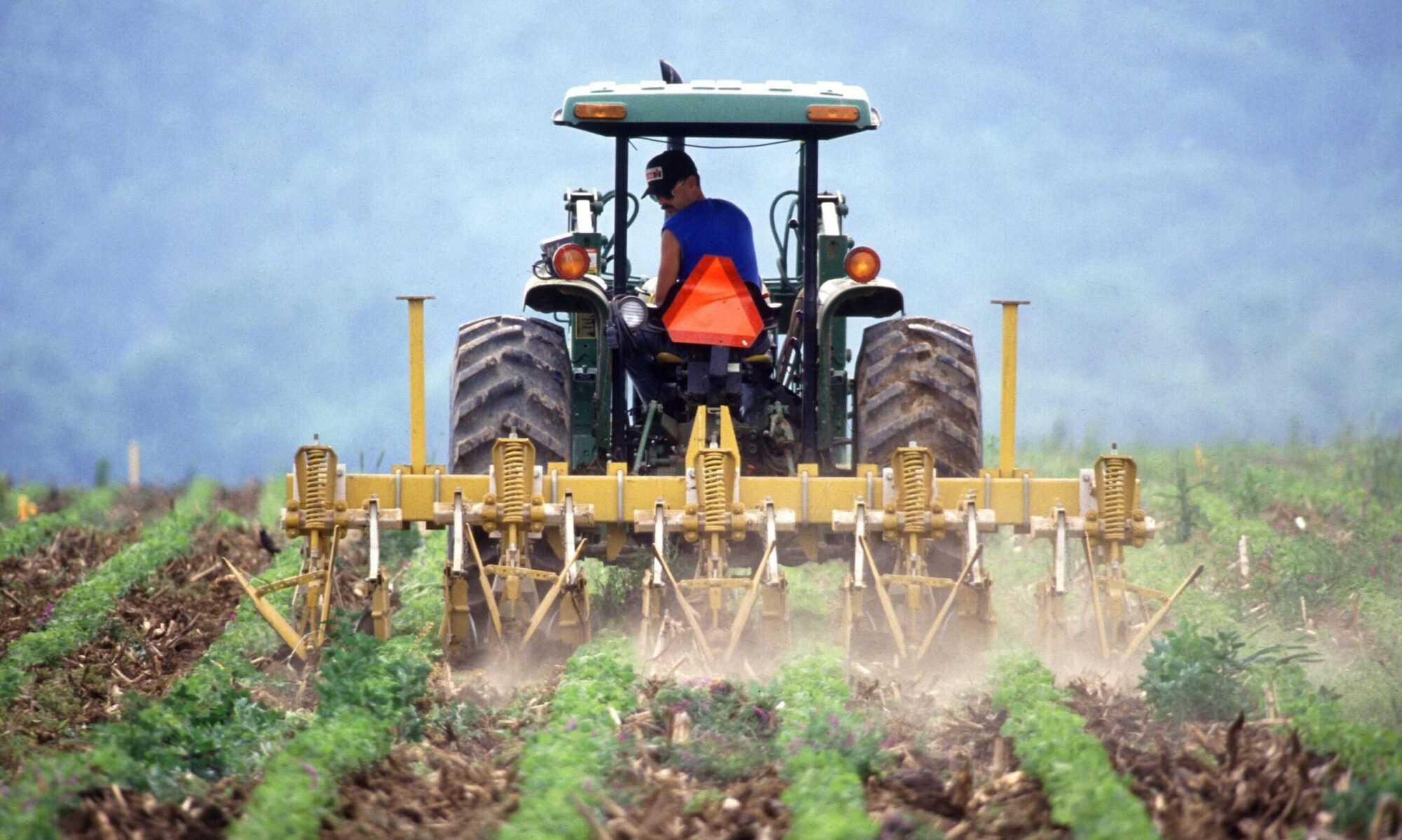
NKJ will contribute to further Nordic cooperation through the new research networks that was granted funding at the board meeting in June. We hope your cooperation will be really fruitful, and NKJ would like to take part in it in different ways.
We received many applications for the call for networks in agriculture and climate. Here is the list of those who were granted funding:
In the call in plant health and alternative protein sources, we received fewer applications. We believe that part of the explanation may be that the Corona pandemic had reached the Nordic region when the call was opened – it is meetings between people that we want to achieve! But it doesn’t have to be physical meetings, so we hope you will be able to conduct all the activities planned for.
These networks have applied for and received funding from us:
Nordic Apple Network: Towards decreasing postharvest losses in apple by knowledge exchange and capacity building, Larisa Gustavsson, SLU
Nordic Grain– Sustainable disease management in cereals in the Nordic region, Thies Marten Heick, Århus university
Bridge builders – Building sustainable nutritional bridges between research and health and wellbeing services for elderly, Teija Rautiainen, South-Eastern Finland University of Applied Sciences
According to a study from Stanford University in 2017, 39% of all couples found their partners on the internet, and only 20% “through friends”. What works for people who search for love should also work for those looking for a research collaborator. And in an ongoing pandemic, the internet is more or less the only way of finding that partner. It was therefore natural for SNS and NKJ to make the 2020 Matchmaking Day digital.
Text and photo: Mats Hannerz, Silvinformation
Malin von Essen was facilitating our first matchmaking day online. It all ended really well and was promising for future online events.
Matchmaking Day is a forum where SNS (Nordic Forest Research) and NKJ (Nordic Joint Committee for Agricultural and Food Research) invite researchers and stakeholders from a broad spectrum of disciplines to identify possible partners and ideas for cooperation. The forum, which has been held almost annually since 2015, was switched this year to a digital platform instead of the usual mingling in person.
Focus on reindeer husbandry
The theme of the Matchmaking Day on August 25 was Reindeer husbandry in the arctic bioeconomy. The original intention was to gather potential delegates at a meeting in Inari, Finland in May 2020. But – the corona epidemic made it impossible.
– We talked a lot about a plan B, says SNS’ secretary Mimmi Blomquist, but we soon realised that the pandemic would continue for a long time, so simply postponing the physical meeting was not an option.
Instead, the meeting was held digitally, led by the facilitator Malin von Essen. Altogether 48 people were present for the full-day event.
Digital possibilities
The meeting was conducted using the Zoom platform, one of several online meeting tools. Skype, Microsoft Teams, Zoom and other services have seen an explosion in users since the pandemic forced people to work from home and avoid travelling. In just the first week from 11-18 March, Teams attracted 12 million new users, and Zoom use increased by 169% during the first months of the year.
– There are hundreds of thousands of people who are now learning how to use video conferencing services in an effective way. The changes we have been talking about for 20 years have now been implemented at record speed, says Malin von Essen.
A new reality
In her business, she moderates and organises meetings and workshops with the aim of inspiring people and taking the results back to their organisations. The meetings are normally physical, but in 2020 she had to rethink the situation.
– We carried out several digital workshops during the spring, and we have learnt a lot about the technique and how to use the potential of the services to engage participants, she says.
The Matchmaking Day was organised as a traditional meeting with lectures, but also with several shorter workshops in smaller groups. The digital platform Zoom facilitates flexible group meetings. In “break-out rooms”, participants with a common research interest could discuss cooperation in a group size allowing more intimate discussions, and the results could be presented later to the entire audience.
– Since we have chat functions and can also assemble suggestions using the menti.com tool, everyone can make their voice heard. And afterwards, other people can look at the recorded presentations and the results of the discussions, all being posted on the SNS’ website.
Content with the outcome
Mimmi Blomquist at SNS was impressed with how well the meeting worked out.
– Of course, we need to meet in person, but this is definitely an option that our research networks could use for many of their workshops. SNS and NKJ provide financial support to research networks with partners from all the Nordic countries, and also neighbouring countries. So, partners are often located thousands of kilometres apart, and we can save lots of travel costs and reduce climate impact by using these digital services, she says.
Advices for your coming digital meetings
It is easy to start a video conference, and most researchers and business people are already used to them, but to make the meetings effective, Malin von Essen has some advice:
Be clear about your aim and goal – why is the meeting needed and what output do you expect? Then start to think of the content.
Before the meeting is live, become familiar with all the functions in the digital platform. Conduct a test meeting with some friends.
Ensure that the meeting will function technically. Not all participants are equally comfortable, encourage them to test the technique in advance. Tell the participants to use a headset and web camera, and to avoid distracting surroundings or strong backlight.
Schedule breaks in the programme. It is better to have several short breaks than one long one.
Nordic funding opportunities in reindeer research:
The Nordic Committee for Agricultural and Food Research (NKJ) and Nordic Forest Research (SNS) is calling for networks that will strengthen co-operation in reindeer husbandry research in the Nordic region. The applicant must be a researcher or communicator at a research institution. The network must include researchers from at least three Nordic countries.
SNS is calling for networks exploring forests and forestry in relation to reindeer husbandry. The application deadline is September 21, 2020. Apply for SNS networks here!
NKJ prioritises networks focusing on reindeer husbandry in relation to climate change and land-use change, but networks that focus on other aspects of reindeer husbandry are also encouraged to apply. The application deadline is November 20, 2020. Apply NKJ networks here!
SEE THE PRESENTATIONS:
Morten Tryland, professor in veterinary medicine, infection biology at UiT, The Arctic University of Norway, Tromsø
After a period of clinical veterinary practice, he transitioned to research and has spent most of his research career investigating infectious diseases in arctic wildlife and semi-domesticated reindeer, in close cooperation with Fennoscandian research groups and reindeer herders.
Morten told us about reindeer health and supplementary feeding, which is a quite complex issue.
The aim of the call is to promote Nordic collaboration between researchers in reindeer husbandry by networking activities including workshops, conferences and seminars. Deadline for application submission is November 20th, 2020 at 24:00 CET.
Focus areas of the call:
Reindeer husbandry and climate change adaptation
Reindeer husbandry and land-use change
Other aspects of reindeer husbandry
Reindeer husbandry is a traditional source of livelihood in the Nordic countries, which has adapted to changes in the economy and societal changes in general. Reindeer husbandry is an important part of the bioeconomy in the Nordic Arctic region, as well as an important part of Sami culture. It is important for food supply, and also contributes to tourism and other economic activities related to reindeer husbandry.
NKJ sees the need for more knowledge and increased cooperation on the impact and consequences of climate change and land-use change on the future of reindeer husbandry and is therefore calling for research networks on these topics.
Overall scope of the call
Successful applicants may receive funds from NKJ of up to 300 000 SEK, covering at most 50% of the total budget for the network. Participants in submitted networks should represent at least three countries consisting of three research institutions in the Nordic* region.
Network outputs should be useful for the Nordic community and should include knowledge exchange across national borders through e.g. arranging workshops, seminars, scientific meetings or open conferences. Networks could also produce peer-reviewed scientific papers, design policy recommendations based on research findings, write large-scale research funding applications, and create or maintain databases or websites.
* Nordic is defined as Denmark, Finland, Iceland, Norway, Sweden and the autonomous areas of the Faroe Islands, Greenland and the Åland Islands.
Reindeer husbandry and climate change adaptation
Reindeer husbandry is primarily based on the use of pastures all year and is therefore particularly vulnerable to climate change. The availability of pastures during winter seasons, and the quality of pastures, will be changing with variations in temperature. Climate change may bring new challenges to reindeer health, such as new types of diseases or intensified outbreaks of existing diseases.
Reindeer husbandry and land-use change
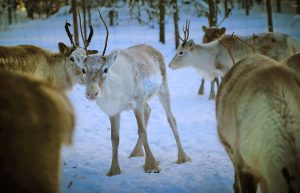
Reindeer pasture areas are continuously under pressure from other sectors and economic interests. Land-use changes influence the patterns of movement of the reindeer, and the availability of the traditional pastures. Increasing populations of predatory animals is also challenging the traditional use of the pasture areas.
In the future, the NKJ-funded research networks will be granted larger amounts. At its most recent meeting, the board decided to increase the amount possible to apply for from SEK 200,000 to SEK 300,000.
Every year, NKJ has one or more different calls for networks that, for example, organize conferences, work with policy-making, write joint major applications for research funding and more. We do this to promote Nordic co-operation in forest research. We believe that the effect of research will be greater if we work across national borders and exchange knowledge and perhaps also equipment, experience and power.
In order to receive financing from us, it is required that you have external co-financing with at least half the budget. This will still be the case, after the increase of the amount. We believe that the impact of our money will be greater if we add a little more.
We will also open a new call towards the end of the summer, which will be in reindeer husbandry. This will be announced in connection with our matchmaking day which brings together people in the Nordic reindeer husbandry. Matchmaking day is free of charge and takes place online on August 25, interested parties are welcome to register for the Matchmaking day.!
NKJ works to give young people more influence. Now we are about to rewrite the statutes to make it possible to elect a student representative to our board.
At the board meeting in June, the secretariat was also instructed to investigate how a working group with young people or a network of doctoral students could be managed. The intention is to give the board input, proposals and ideas through a young, advisory body.
Such a working group or network will have a clear mandate and job description. It will also require a budget to make it work, something the board has approved.
The preparations can be completed at the earliest to the autumn board meeting so that decisions can be made.
The Nordic Council of Ministers is working on a new vision for Nordic co-operation. That means that NKJ will update the strategy based on the new framework.
NKJ is financed by the Nordic Council of Ministers. The Nordic cooperation is the base of all of our work and strivings. So when the ministers writes a new vision, we will follow with a new strategy.
The new key words in the new vision will be green, competitive and socially sustainable. Those are all words that we can easily embrace and have already had in mind in our previous work.
A lot of time and resources at NKJ’s secretariat have been used to provide input to action plans and proposals for cross-sectoral projects during the work on the new vision. We are now awaiting the Council of Ministers to complete its work before we start reworking our strategy.
The working group for reindeer husbandry in NKJ has a revival. It has three new members from Finland, Norway and Sweden and they have already started working for increased cooperation.
For several years, there has been a cooperation agreement between the three Nordic countries on reindeer issues. The reindeer husbandry is ancient in the area and there are long traditions linked to the utilization of natural resources through reindeer husbandry.
Although the legal conditions and problem areas differ, there are also many related issues in reindeer husbandry throughout the three countries. That makes the working group relevant and cooperation important and fruitful.
These are the members of the Nordic Reindeer Committee:
Norge: Silje Trollstøl, Ministry of Agriculture and Food ">
Sverige: Bilge Tekin-Befrits, Ministry of Enterprise and Innovation ">
Finland: Mika Survonen, Ministry of Agriculture and Forestry ">
NKJ will come back to reindeer husbandry in different ways, so keep an eye on our Facebook and Twitter, or sign up for the NKJ newsletter and you wont miss out on any events or opportunities!


 NKJ will contribute to further Nordic cooperation through the new research networks that was granted funding at the board meeting in June. We hope your cooperation will be really fruitful, and NKJ would like to take part in it in different ways.

 Reindeer husbandry is primarily based on the use of pastures all year and is therefore particularly vulnerable to climate change. The availability of pastures during winter seasons, and the quality of pastures, will be changing with variations in temperature. Climate change may bring new challenges to reindeer health, such as new types of diseases or intensified outbreaks of existing diseases.
 Reindeer pasture areas are continuously under pressure from other sectors and economic interests. Land-use changes influence the patterns of movement of the reindeer, and the availability of the traditional pastures. Increasing populations of predatory animals is also challenging the traditional use of the pasture areas.
 NKJ is financed by the Nordic Council of Ministers. The Nordic cooperation is the base of all of our work and strivings. So when the ministers writes a new vision, we will follow with a new strategy.