Welcome to the 2nd TARANDUS workshop 26 April 2022!
Photo: Skarphéðinn Þórisson
The second workshop within the TARANDUS network will focus on health and welfare of wild reindeer populations. It will be coordinated by the East Iceland Nature Research Centre in cooperation with the National Veterinary Institute (SVA). As we are living in uncertain times when it comes to international travelling, we have decided to make it digital.
The workshop starts 13.00 and end 17.00 on 26th April 2022. Everybody interested is most welcome to join!
If you are a PhD student (or Post Doc) and would like to be engaged in the TARANDUS PhD network, please send an e-mail to Karin Wallin (). We would like to invite all PhD students and Post Docs to join a meeting 10.00-12.00 on 27th of April 2022 in order to discuss your ongoing field work and/or manuscript.
The TARANDUS network gathers reindeer researchers from Iceland, Finland, Norway, and Sweden. The network will cover many aspects of reindeer health and welfare linked to climate change. Please, contact Anna Omazic if you are interested to join the TARANDUS network. Web page
The NKJ funded network NordCrop “Climate resilient crops in the North and beyond” is happy to announce its second meeting in Alnarp and online 10 March 2022.
The focus will be on abiotic stress in crops in Nordic conditions and also a focus on young researchers.
It will be a hybrid meeting, but if Covid-19 regulations does not allow a physical meeting we will go fully online. The physical place will be Crafoord Hall, Navet, SLU Alnarp. Link for online participation will be provided after registration.
Welcome to the grand finale and final project meeting for BioEquality (The Digital Bioeconomy – a method handbook for gender equality in the Nordic bioeconomy)!
SNS and NKJ have worked together in this project to gather tools for a more gender equal bioeconomy sector in the Nordic countries. The result is now ready for use: a method handbook.
The method handbook that will be presented contains a combination of podcasts, videos, literature recommendations and further educational material that are to be used by educators at Nordic universities teaching bioeconomy related courses.
General information about the project, including the report that was produced within work package 1, can be found here.
Grand finale:
When: Friday 28th of January, 10.00 am – 12.00 am CET
Project owner Nordic Forest Research and project manager Maria Tunberg welcome everyone and present the events leading up to this meeting
Gender equality in the digital bioeconomy – why caring?
Project participants share their reasons for participating, including teachers, students and the Secretary General of the Nordic Council of Ministers, Paula Lehtomäki
Keynote speaker Pernilla Alexandersson from Add Gender paints the picture of where we are heading and what this type of change could ultimately lead to
Short break
Gender equality in the digital bioeconomy – what do we know?
The literature review Redefining digital bioeconomy is presented by the authors
Gender equality in the digital bioeconomy – what have we done?
The method handbook and its components are presented by one of the creators
Gender equality in the digital bioeconomy – what’s next?
Project owner Nordic Forest Research, project financer NIKK and project manager Maria Tunberg share reflections on what has been done and what is next on the horizon after this project
Mingle
Time to mingle around freely in a virtual meeting room
Please feel free to share this invitation further with anyone you think may be interested!
Researchers in agriculture and the food industry can now apply for funding for networking activities aimed at increasing the sectors’ sustainability, resilience and competitiveness.
Deadline for application submission is April 21th, 2022.
Text på svenska längre ner
With this funding opportunity, NKJ wants to interlink researchers in the Nordic region to find solutions on how to sustainably transform the food system.
That transformation is a powerful tool to reach the 17 SDGs (Sustainable Development Goals). We need to change the way we produce, consume and think about food; a new food narrative that acknowledges systems issues in agriculture – from broken nutrient cycles to biodiversity loss, erosion, fossil fuel dependence and CO2 emissions – interlinked issues that could in part be solved at the regional level.
NKJ encourages networks that relate to aspects of transformation and transition in agriculture and the food system at large to apply for funding. The focus could be either on farms or focusing anywhere from the downstream refinement of agricultural products to upstream innovations and production flows needed to increase primary agricultural production in the Nordic region. The goal is to encourage activities directed to novel tools and improve current production to increase resilience, sustainability and competitiveness of agriculture in the Nordic region.
Call conditions Networks should include applicants from research institutions from at least three different countries in the Nordic region.
Each gender must be represented by a minimum of 40% of the participants in the network.
PhD students and young researchers should be included in the network.
Network grants are for two years of activities from August 2022 to July 2024.
Stakeholders are encouraged to participate but cannot be main applicants.
Economic framework The amount applied for from NKJ can be maximum 300.000 SEK. The funding should primarily be spent on costs for arranging scientific meetings, workshops and conferences including accommodation, travel and conference fees but could also cover costs for designing policy recommendations based on research findings, write large-scale research funding applications, creating or maintaining databases or websites (excluding hardware) and communication activities.
Networks are expected to co-finance at least 50% of the total budget.
Forskare inom jordbruk och livsmedelsindustri kan nu söka medel för nätverksaktiviteter som syftar till att öka sektorernas hållbarhet, motståndskraft och konkurrenskraft.
Sista dag för ansökan är 21 April 2022.
Med denna utlysning vill NKJ länka samman nordiska forskare för att hitta ett hållbart sätt att omvandla livsmedelssystemet.
Den omvandlingen är ett kraftfullt verktyg för att nå de 17 globala hållbarhetsmålen. Vi måste förändra vårt sätt att producera, konsumera och tänka på mat; ett nytt matbegrepp som tar hänsyn till de systemproblem som finns inom jordbruket: från brutna näringskretslopp till förlust av biologisk mångfald, erosion, beroende av fossila bränslen och CO2-utsläpp – frågor som hänger ihop och som delvis skulle kunna lösas på regional nivå.
NKJ uppmuntrar nätverk som relaterar till olika aspekter av omvandling och omställning av jordbruket och livsmedelssystemet i stort att skicka in sin ansökan. Fokus kan vara antingen på gårdsnivå eller valfri nivå i kedjan från förädling av jordbruksprodukter, till innovationer och produktionsflöden som behövs för att öka den primära jordbruksproduktionen i Norden.
NKJ vill uppmuntra aktiviteter som syftar till att åstadkomma nya verktyg och förbättra nuvarande produktion för att öka motståndskraften, hållbarheten och konkurrenskraften för jordbruket i Norden.
Krav
Nätverk ska ha sökande från forskningsinstitutioner i minst tre olika nordiska länder.
Vardera könen ska vara representerade av minst 40% av nätverkets medlemmar.
PhD-studenter och unga forskare ska vara aktiva i nätverket.
Finansiering ges för aktiviteter från augusti 2022 till juli 2024.
Intressenter utanför forskarvärlden uppmuntras att delta i nätverken men kan inte vara huvudsökande.
Ekonomiska ramar
Finansieringen från NKJ uppgår som mest till 300 000 SEK. Finansieringen ska främst gå till att arrangera vetenskapliga möten, workshops och konferenser inkluderande boende, resor och konferensavgifter men kan också användas för att utforma policy.rekommendationer baserade på forskningsrön, skriva större ansökningar om forskningsmedel, skapa databaser och hemsidor och kommunikationsinsatser.
The interest for reindeer husbandry and climate change is big. The NKJ funded network Tarandus has grown from 20 to 100 members during the year.
Reindeer health and animal welfare was the focus for the first network meeting, held 23-24 november in Kiruna, Sweden. The two day workshop included several presentations as well as discussions and networking. The organizers hope for an increase in collaborations on the subject across the Nordic countries after the meeting.
The participants are researchers and others who work in various ways with reindeer health and welfare, infectious diseases, supplementary feeding and health of wild reindeer. Some joined physically in Kiruna, others participated digitally.
Next Tarandus workshop, with the theme infectious diseases, will be coordinated by the Natural Resources Institute Finland (LUKE) with satellite activities and study visit.
To meet the challenges of a changing climate, soil as a carbon sink has become a crucial tool. SNS and NKJ have gathered knowledge from throughout the Nordic region – which is know easily accessible in four short films.
Swedish text below the films
In four seminars during 2021, SNS and NKJ explored issues on soil as a carbon sink. We gathered experts and stakeholders from different disciplines to learn from each other and to take this crucial topic towards the future.
Increasing carbon storage in soil is proposed to be one of the most cost-effective climate measures, a measure that also has a positive impact on aspects such as biodiversity and soil fertility. The topic has gained the decision-makers’ interest and sits high on the political agenda in the Nordics. The seminar series aimed to stimulate knowledge exchange between Nordic actors interested in soil as a carbon sink.
Now SNS and NKJ have gathered the outcomes from the seminars in four films:
För att klara utmaningarna med ett förändrat klimat har marken som kolsänka blivit ett avgörande verktyg. SNS och NKJ har samlat kunskap från hela Norden – vilken nu är lättillgänglig i fyra kortfilmer.
I fyra seminarier under 2021 utforskade SNS och NKJ frågor om mark som kolsänka. Vi samlade experter och intressenter från olika discipliner för att lära av varandra och ta detta viktiga ämne mot framtiden.
Kolinlagring i mark lär vara en av de mest kostnadseffektiva klimatåtgärderna, en åtgärd som också har en positiv inverkan på till exempel biologisk mångfald och markens bördighet. Ämnet har fångat beslutsfattarnas intresse och står högt på den politiska agendan i Norden. Seminarieserien syftade till att stimulera kunskapsutbyte mellan nordiska aktörer som är intresserade av mark som kolsänka.
Nu har SNS och NKJ samlat resultaten från seminarierna i fyra filmer:
Digitalisation plays a vital role in the rapid development of the Nordic and Baltic bioeconomy. Access to cutting edge platforms for development, so-called testbeds, where new digital knowledge and technology can be developed is fundamental.
Managing a testbed is however a complex task. To facilitate the development of new and existing testbeds, the Nordic Testbed Network aims to unite and strengthen testbeds aimed at supporting the digital transformation of the bioeconomy.
On November 18 (2021) the Nordic Testbed Network arranges a virtual meeting to help dig into the following topics:
Agenda
▪ Welcoming our new testbed members, Blaize Denfeld (SITES), Anda Ikauniece (LIAE), Andrius Sutnikas (AquaVIP), Jens Petter Wold (DigiFoods), Anta Sparinska (Latvian i-Garden)
▪ Keynotelecture: An inspiring example – Nordic Proof, Siri Stabel Olsen, Advisor Norway Health Tech and coordinator of Nordic Proof
▪ Panel discussion: Organising a testbed, Thordur Reynisson, Senior Adviser and Head of Program Nordic Innovation, Jonas Engström, researcher RISE Research Institutes of Sweden and coordinator of the testbed for digitalised agriculture, Carmen Galindo Rodriguez, project manager EIT Food
▪ Interactive session: all participants are invited to discuss and mingle
With a joint, Nordic working group, the wild boar will be handled in a better way. Wild boar, as is well known, easily cross national borders, which makes the countries dependent on each other in the management of the animal.
Petter Kjellander, professor at the Department of Ecology, unit wildlife, at SLU, has coordinated the compilation of a report that NKJ just published: “Wild boar in the Nordic countries“.
– The Nordic Council of Ministers wants to know about the wild boar situation in the Nordic countries. We have had a look at the biology of the wild boar, but also which conflict areas and management policies exist regarding the wild boar in the different Nordic countries.
So, why is it important to have an overall Nordic picture of the wild boar situation? Well, the wild boars found in Sweden may not stay in Sweden, but can easily cross the border to Norway. With a common and fact-based overview of the situation, it could be easier to deal with problems and get a consensus on necessary and effective measures.
– But regarding this we are in a really difficult situation, says Petter Kjellander, emphasizing the proximity to both Germany, the Baltics and Russia, where there are wild boars that just as easy can cross national borders, and bring the dreaded African swine fever.
The fact that the situations look so different in the different Nordic countries is due to the fact that historically different political decisions have been made based on the different conditions the countries have had. Denmark protects the important pig industry from swine fever by keeping the wild boars from Germany out, in Sweden there is a debate on how the agriculture should be kept safe.
– In Sweden, it has been decided that the wild boar population will be halved in five years.
Sweden has by far the largest tribe in the Nordic countries with at least 300,000 animals, while Norway and Finland have around 1,500 and Denmark and Iceland none at all. With a joint working group, as the report suggests, there is a better chance for more efficient management of the Nordic wild boar population.
– The Swedish administrators could be in a better position to make tougher decisions if the other Nordic countries are backing them up. Discussing hunting and other management methods will be easier together.
Anders Rolfsson, viltansvarig LRF Skåne, about handling the wild boar as a farmer:
Swedish text
Mot en gemensam nordisk strategi för vildsvinet
Med ett gemensamt, nordiskt samråd kan vi hantera vildsvinen på ett bättre sätt. Vildsvin tar sig, som bekant, lätt över nationsgränserna, vilket gör länderna beroende av varandra i frågan.
Petter Kjellander, Professor vid Institutionen för ekologi, enheten viltekologi, på SLU, har samordnat sammanställandet av en rapport som NKJ just har publicerat: ”Vildsvin i de nordiska länderna”.
– Nordiska Ministerrådet vill veta hur vildsvinssituationen ser ut i de nordiska länderna. Vi har tittat på vildsvinens biologi, men också vilka konfliktområden och förvaltningspolicies som finns kring vildsvinen i de olika nordiska länderna.
Så, varför är det viktigt att ha en samlad nordisk bild av vildsvinsläget? Jo, vildsvinen som finns i Sverige kanske inte behagar stanna i Sverige, utan tar sig lätt över gränsen till Norge. Med en gemensam och faktabaserad bild av läget kan det bli lättare att hantera problem och få en samsyn på nödvändiga och verksamma åtgärder.
– Men där är vi verkligen i en svår situation, säger Petter Kjellander och pekar på närheten till både Tyskland, Baltikum och Ryssland, där det också finns vildsvin som har lika lätt att ta sig över nationsgränser och som kan bära på den fruktade Afrikanska svinpesten.
Att situationerna ser så olika ut i de olika nordiska länderna beror på att man historiskt har fattat helt olika politiska beslut utifrån de olika förutsättningar som man har haft. Danmark skyddar sin stora grisindustri från svinpesten genom att hålla ute vildsvinen från Tyskland, Sverige har en debatt om hur böndernas grödor ska hållas skadefria.
– I Sverige har det fattats beslut om att vildsvinsstammen ska halveras på fem år.
Sverige har den absolut i särklass största stammen i Norden med minst 300 000 djur, medan Norge och Finland har runt 1 500 och Danmark och Island inga alls. Med ett gemensamt samråd, som rapporten föreslår, finns chans till en effektivare förvaltning av den nordiska vildsvinsstammen.
– Det hade kunnat hjälpa de svenska förvaltarna att fatta tuffare beslut om de har de andra nordiska länderna i ryggen. Det kan också bli lättare i frågor som jakttryck och andra sätt att hantera stammen om vi pratar med en mun i stället för att streta åt olika håll.
Symtoms and defence reactions were in focus of the first network meeting of the NKJ-funded Nordic Apple Network May 18-19, 2021.
First on the agenda was an update on the current situation of fruit quality after storage and storage losses, presented by the representatives from the industry from all four participating countries. This update was followed by presentations of the ongoing research on storage conditions, storage disorders and storage diseases.
The presentations were accompanied by fruitful discussions and exchange of knowledge, regarding current problems as well as research needs, with emphasis on fruit quality loss, storage rots and physiological decay. Special attention was given to the diversity of the disease- and disorder symptoms, pathogens and their epidemiology and to the diversity of the defence reactions among cultivars. The participants stressed the importance of good pre-harvest practices for reducing post-harvest losses. Future collaborations, funding opportunities and the contents of the next workshop were also discussed.
The meeting was hosted by SLU and took place online where 35 participants, representing research, growers, advisory services, packing houses and authorities exchanged their knowledge and experiences.
The network unites participants from Denmark, Finland, Norway and Sweden, and addresses the issue of post-harvest losses. The focus is on how to achieve improved plant health via better knowledge of epidemiology, novel monitoring tools, knowledge of cultivar pre- and postharvest physiology, disease resistance, and cultivation practices.
Reindeer herding has a long history in Sápmi, the northernmost region of Norway, Sweden and Finland. But the reindeer husbandry is under pressure.
Svensk text längre ner på sidan
Mining, hydropower dams, windmills, roads, tourism and not least forestry have all made old migration routes, resting places and pastureland for reindeer herders decrease or become damaged.
The film Reindeer and forestry in the Nordic countries focus on the options to solve potential conflicts between reindeer herding and forestry. We meet reindeer owners and forestry servants in northern Norway (Alta), Finland (Ivalo) and Sweden (Jokkmokk and Sveg). They discuss the problems and how they can be overcome with dialogue and concern.
The first half of the film gives an overview and history of reindeer herding in the Nordic countries, together with snapshots from Norway and Finland.
The second half describes (from Sweden) active measures that the forestry can do to reduce the impact on lichen availability, the main fodder for the reindeer. Examples are: more lenient site preparation, thin the forest to help lichens and accessibility, avoid lodgepole pine in sensitive areas, leave seed trees and tree groups and use selective cutting in old spruce forests.
The main message of the film is that forestry and reindeer herding will continue to exist side by side, but in order to do so, dialogue and mutual respect is necessary.
The 20 minute long film is a co-production from Heurgren Film and Silvinformation, made with support from Nordic Forest Research (SNS) and Nordic Agri Research (NKJ).
Renar och skogsbruk – ny film fokuserar på lösningar
Renskötseln har en lång historia i Sápmi, den nordligaste delen av Norge, Sverige och Finland. Men renhållningen är under press.
Gruvdrift, vattenkraftsdammar, vindkraftverk, vägar, turism och inte minst skogsbruk har gjort att gamla flyttvägar, viloplatser och betesmark minskat eller skadats.
Filmen Ren och skogsbruk i de nordiska länderna fokuserar på lösningar på potentiella konflikter mellan renskötsel och skogsbruk. Vi träffar renägare och skogsbrukare i norra Norge (Alta), Finland (Ivalo) och Sverige (Jokkmokk och Sveg). De diskuterar problemen och hur dessa kan övervinnas genom dialog och engagemang.
Den första halvan av filmen ger historik och översikt över renskötseln i de nordiska länderna, plus några ögonblicksbilder från Norge och Finland.
Andra halvan beskriver (från Sverige) aktiva åtgärder som skogsbruket kan vidta för att minska påverkan på tillgången på lav, det huvudsakliga fodret för renen. Exempel är mer skonsam markberedning, gallring av skogen för att hjälpa lavar och tillgängligheten till skogen, lämna fröträd och grupper av träd och använd selektiv beskärning i gamla granskogar.
Filmens huvudbudskap är att skogsbruk och renskötsel kommer att fortsätta att existera sida vid sida, men för att göra det krävs dialog och ömsesidig respekt.
Den 20 minuter långa filmen är en samproduktion från Heurgren Film and Silvinformation, gjord med stöd från Nordic Forest Research (SNS) och Nordic Agri Research (NKJ).
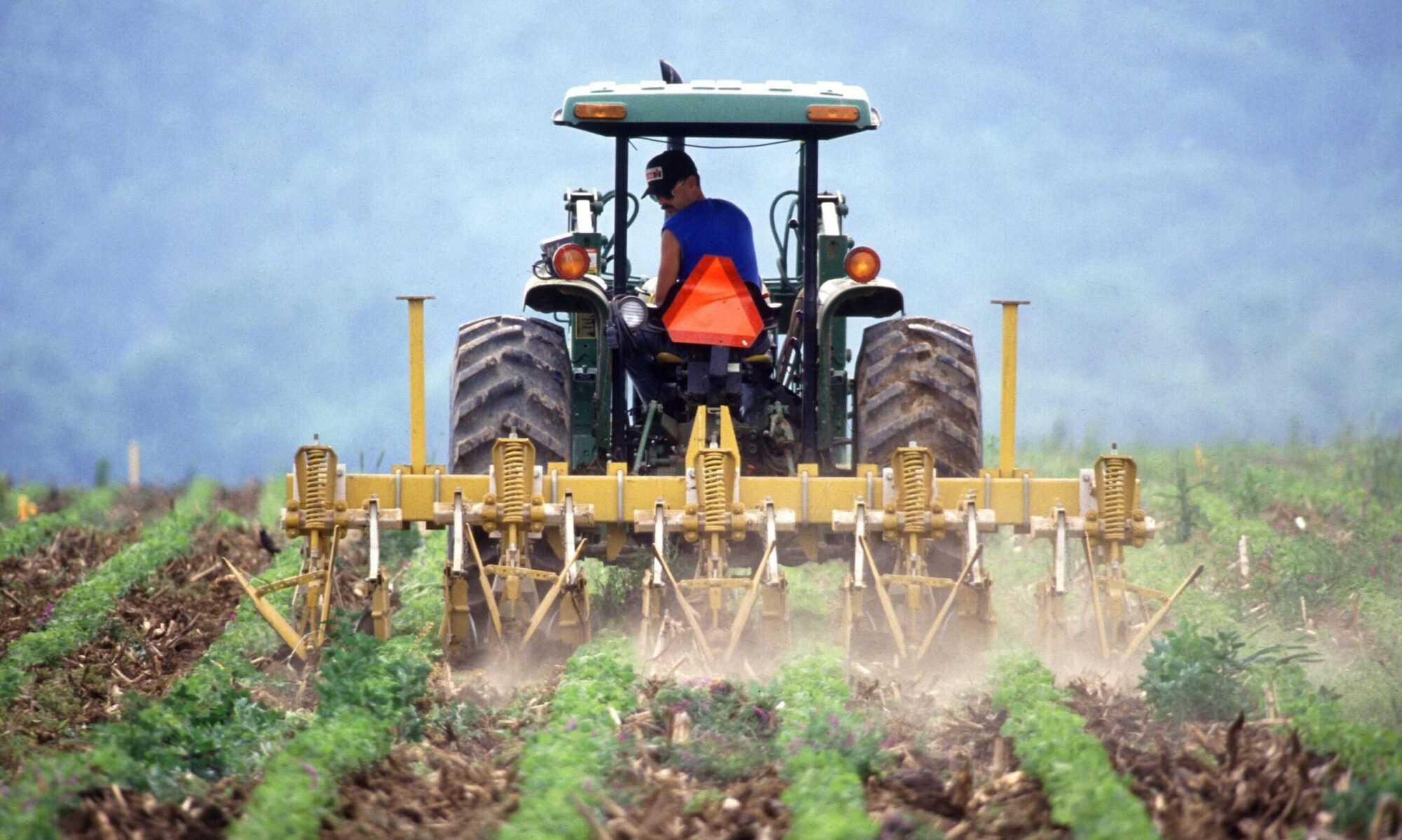


 Digitalisation plays a vital role in the rapid development of the Nordic and Baltic bioeconomy. Access to cutting edge platforms for development, so-called testbeds, where new digital knowledge and technology can be developed is fundamental.

